
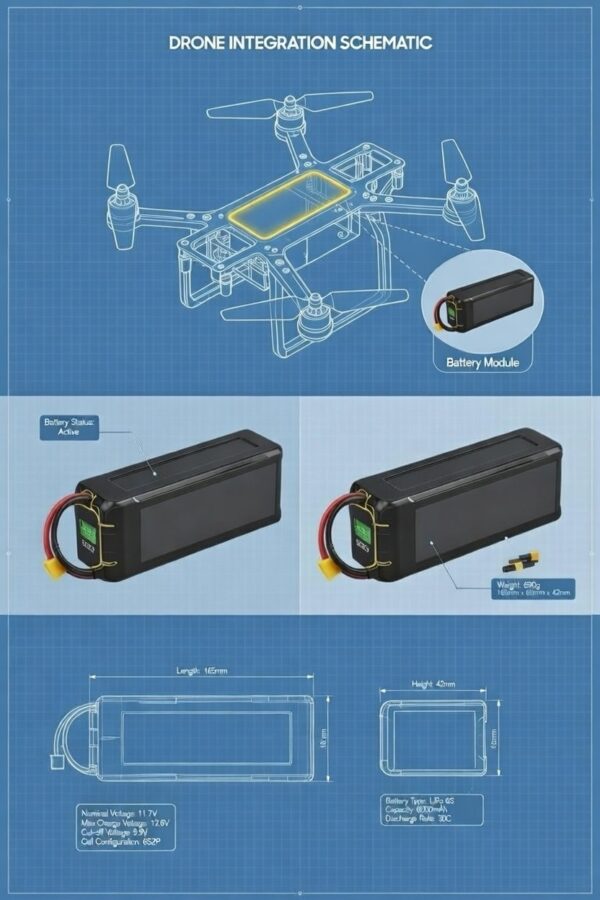
Introduction: Navigating the Critical Challenges
The oil and gas pipeline industry stands at a technological crossroads. As companies increasingly deploy drones for pipeline inspection, monitoring, and maintenance, a pressing question emerges: Are your drone batteries truly safe for hazardous environments? The stakes couldn’t be higher. A single battery malfunction in a volatile zone could trigger catastrophic consequences, endangering personnel, infrastructure, and the environment.
In 2024, regulatory bodies worldwide tightened safety requirements for lithium batteries used in industrial drone operations. According to the International Air Transport Association (IATA), non-compliant lithium battery shipments faced a 12% increase in rejection rates compared to previous years. For oil and gas firms, this translates into operational delays, financial losses, and potential legal liabilities.
This comprehensive guide explores the evolving landscape of drone battery safety certifications, helping pipeline operators make informed decisions that protect both their investments and their workforce.
Understanding the Regulatory Landscape
Key Certification Standards for 2024-2025
The drone battery certification ecosystem has become increasingly complex. Here are the essential standards every oil and gas company must understand:
UN38.3 Certification
- Purpose: United Nations transportation safety standard for lithium batteries
- Requirement: Mandatory for all air, sea, and land transport of lithium batteries
- Testing: Eight comprehensive safety tests including altitude simulation, temperature cycling, vibration, shock, external short circuit, impact, overcharge, and forced discharge
- 2024 Update: IATA’s 65th Edition Dangerous Goods Regulations raised compliance thresholds significantly
UL 1642 & UL 2054
- UL 1642: Focuses on lithium battery cell safety
- UL 2054: Covers household and commercial battery safety
- Industry Relevance: Widely recognized in North American industrial applications
IEC 62133
- Scope: International standard for secondary lithium cells and batteries
- Application: Required for European market access
- Testing Parameters: Includes electrical, mechanical, and environmental stress tests
ATEX/IECEx Certification
- Critical for Oil & Gas: Specifically designed for explosive atmospheres
- Zone Classification: Determines where equipment can safely operate
- 2024 Trend: Increased demand for Zone 1 and Zone 2 certified drone batteries
Why Oil and Gas Pipeline Firms Face Unique Challenges
Hazardous Environment Considerations
Pipeline inspection drones operate in some of the world’s most challenging conditions. The safety requirements extend far beyond standard commercial drone operations:
Environmental Factors:
- Extreme temperature variations (-40°C to +60°C in some regions)
- High humidity and corrosive atmospheres
- Potential exposure to flammable gases and vapors
- Remote locations with limited emergency response capabilities
Operational Demands:
- Extended flight times for long pipeline stretches
- Heavy payload requirements for advanced sensors
- Reliable performance in critical infrastructure monitoring
- Minimal maintenance windows in continuous operations
Real-World Example: A major North American pipeline operator reported a 40% reduction in inspection time after switching to certified high-capacity drone batteries, while maintaining full compliance with Transportation Security Administration (TSA) regulations.
The 2024 Safety Certification Trends Shaping the Industry
Trend 1: Enhanced Traceability Requirements
The implementation of battery “electronic ID” systems has transformed compliance tracking:
- Full Lifecycle Tracking: From manufacturing to disposal
- Digital Documentation: QR codes and blockchain-based verification
- Audit Readiness: Instant access to certification records during inspections
Trend 2: Stricter Transportation Regulations
According to Shenzhen Bao’an International Airport Customs statistics, 2023 saw significant increases in lithium battery shipment rejections due to inadequate UN38.3 documentation. The 2024-2025 regulatory updates include:
- Enhanced Testing Validity: Reports must include original traceable data
- Laboratory Accreditation: Only certified testing facilities accepted
- Annual Renewal: UN38.3 reports require yearly updates per IATA 66th Edition DGR
Trend 3: Industry-Specific Certifications
Oil and gas companies now demand certifications beyond basic transportation compliance:
| Certification | Application | Validity Period |
|---|---|---|
| UN38.3 | Transportation | Annual Update Required |
| ATEX Zone 1 | Explosive Atmospheres | 5 Years |
| IP67 Rating | Dust/Water Protection | Product Lifetime |
| MSDS/SDS | Safety Data Documentation | 3-5 Years Review |
Common Compliance Pitfalls and How to Avoid Them
Mistake #1: Assuming One Certification Fits All
Many companies mistakenly believe UN38.3 certification alone ensures operational safety. Reality check: UN38.3 covers transportation only, not operational safety in hazardous environments.
Solution: Implement a multi-layered certification approach combining transportation, operational, and environmental standards.
Mistake #2: Neglecting Documentation Updates
With IATA’s 2025 regulations requiring annual UN38.3 report updates, outdated documentation can halt operations instantly.
Best Practice:
- Establish a certification tracking system
- Set automatic renewal reminders 90 days before expiration
- Maintain digital and physical copies of all certificates
Mistake #3: Overlooking Battery Management Systems
Advanced Battery Management Systems (BMS) are no longer optional for industrial applications:
- Real-time Monitoring: Temperature, voltage, and current tracking
- Automatic Shutdown: Protection against overcharge and short circuits
- Data Logging: Comprehensive flight and battery performance records
Actionable Steps for Pipeline Operators
Immediate Actions (Within 30 Days)
- Audit Current Inventory: Verify all drone batteries have valid UN38.3 certification
- Review Documentation: Ensure MSDS/SDS sheets are current and accessible
- Train Personnel: Educate staff on proper battery handling and storage procedures
Medium-Term Goals (3-6 Months)
- Evaluate Suppliers: Partner with manufacturers offering comprehensive certification packages
- Implement Tracking Systems: Deploy digital certification management tools
- Conduct Safety Drills: Practice emergency procedures for battery-related incidents
Long-Term Strategy (6-12 Months)
- Upgrade Equipment: Transition to ATEX-certified drones for hazardous zone operations
- Establish Partnerships: Build relationships with certified testing laboratories
- Develop Internal Standards: Create company-specific battery safety protocols exceeding minimum requirements
The Business Case for Compliance
Investing in proper battery certification isn’t just about avoiding penalties—it’s a strategic advantage:
Cost Savings:
- Reduced insurance premiums for certified operations
- Minimized downtime from regulatory inspections
- Lower replacement costs through proper battery management
Operational Benefits:
- Faster deployment approvals for new projects
- Enhanced reputation with regulators and stakeholders
- Improved safety records attracting top talent
Risk Mitigation:
- Protection against liability claims
- Compliance with evolving international regulations
- Safeguarding critical infrastructure investments
Conclusion: Your Next Steps Toward Compliance Excellence
The drone battery certification landscape continues evolving at an unprecedented pace. For oil and gas pipeline firms, staying ahead of these changes isn’t optional—it’s essential for operational continuity and safety.
Key Takeaways:
- UN38.3 certification is mandatory but insufficient alone for hazardous environment operations
- 2024-2025 regulations demand enhanced documentation and annual updates
- Multi-layered certification approach provides comprehensive protection
- Proactive compliance creates competitive advantages beyond risk mitigation
The question isn’t whether your company can afford to invest in proper battery certification—it’s whether you can afford not to.
Take Action Today
Ready to elevate your drone battery safety standards? Our team specializes in industrial-grade drone battery solutions with comprehensive certification packages designed specifically for oil and gas applications.
Contact us today to discuss your specific requirements and discover how certified battery solutions can transform your pipeline inspection operations.
📧 Get in Touch: Visit our contact page at https://cnsbattery.com/drone-battery-home/drone-battery-contact
Don’t wait for regulatory changes to force your hand. Proactive compliance today means uninterrupted operations tomorrow. Reach out now and secure your company’s position as an industry leader in drone safety excellence.
Disclaimer: This article provides general information about drone battery safety certifications. Specific regulatory requirements may vary by jurisdiction. Always consult with qualified safety professionals and regulatory experts for your particular operational context.


