In the chaotic aftermath of natural disasters, drones have become indispensable tools for search and rescue operations, damage assessment, and supply delivery. However, disaster relief teams often overlook critical regulatory requirements in their urgency to help, exposing themselves to legal liabilities, operational shutdowns, and compromised mission effectiveness. Understanding and avoiding common compliance mistakes is not just about following rules—it’s about ensuring your drone operations remain sustainable, safe, and legally protected when communities need them most.
The High Stakes of Non-Compliance in Emergency Operations
When hurricanes strike, earthquakes devastate, or floods overwhelm communities, disaster relief teams face immense pressure to deploy drones quickly. Yet, rushing into operations without proper regulatory groundwork can derail entire missions. The Federal Aviation Administration (FAA) and international aviation authorities have established clear frameworks for drone operations, including emergency provisions. However, many teams misunderstand these provisions or assume emergency situations grant unlimited operational freedom.
Key Challenge: Balancing rapid response needs with regulatory obligations requires preparation before disasters occur, not during the crisis itself.
Common Regulatory Mistakes and How to Avoid Them
1. Operating Without Proper Pilot Certification
One of the most frequent errors involves deploying drone operators without valid Remote Pilot Certificates under FAA Part 107 regulations. While recreational flying has different requirements, disaster relief operations typically qualify as commercial activities requiring proper certification.
What Goes Wrong:
- Assuming volunteer status exempts operators from certification requirements
- Deploying team members with expired certificates
- Failing to verify foreign operators meet local aviation authority standards
Solution: Maintain a roster of certified pilots with current credentials. Implement a verification system that checks certificate validity before deployment. For international operations, research local requirements through ICAO member state regulations.
2. Neglecting Aircraft Registration Requirements
Every drone used for disaster relief must be properly registered with relevant aviation authorities. The FAA requires registration for drones weighing between 0.55 pounds and 55 pounds. Operating unregistered aircraft can result in significant fines and operational restrictions.
Critical Points:
- Registration numbers must be visibly marked on the aircraft
- Registration must be renewed every three years
- Multiple drones require individual registration unless operating under specific fleet provisions
Best Practice: Create a registration database tracking all team drones, expiration dates, and marking compliance. Conduct quarterly audits to ensure nothing lapses during extended deployment periods.
3. Misunderstanding Emergency Waiver Processes
Many teams incorrectly assume disaster declarations automatically grant regulatory exemptions. While the FAA does offer emergency authorization pathways, these still require proper application and approval processes.
Common Misconceptions:
- “Emergency situations mean no rules apply”
- “Local authorities can override FAA regulations”
- “Waivers are granted retroactively”
Reality: Emergency Certificates of Authorization (COA) must be requested through proper channels. The FAA’s Disaster Relief Drone Operations guidance provides expedited processes, but advance coordination with local Flight Standards District Offices significantly improves approval timelines.
4. Violating Airspace Restrictions
Disaster zones often coincide with temporary flight restrictions (TFRs), controlled airspace, or proximity to emergency response aircraft. Flying without proper airspace authorization creates dangerous situations and legal violations.
High-Risk Scenarios:
- Operating near emergency medical helicopters
- Flying in restricted zones around damaged infrastructure
- Ignoring NOTAMs (Notices to Airmen) specific to disaster areas
Prevention Strategy: Implement pre-flight airspace verification protocols using FAA B4UFLY applications or similar tools. Establish communication channels with local air traffic control before deployment. Designate airspace coordinators within your team responsible for monitoring restriction updates.
5. Overlooking Privacy and Data Protection Obligations
Drone operations in disaster zones capture sensitive imagery of affected individuals and damaged properties. Failing to address privacy concerns can damage community trust and create legal exposure.
Essential Considerations:
- Establish clear data retention and deletion policies
- Limit data collection to mission-essential information
- Coordinate with local authorities on imagery sharing protocols
- Comply with state-specific privacy laws regarding aerial surveillance
Implementation: Develop standardized privacy protocols before deployment. Train all operators on appropriate data handling. Create clear guidelines for media sharing and public release of drone-captured content.
6. Ignoring Battery Safety and Maintenance Regulations
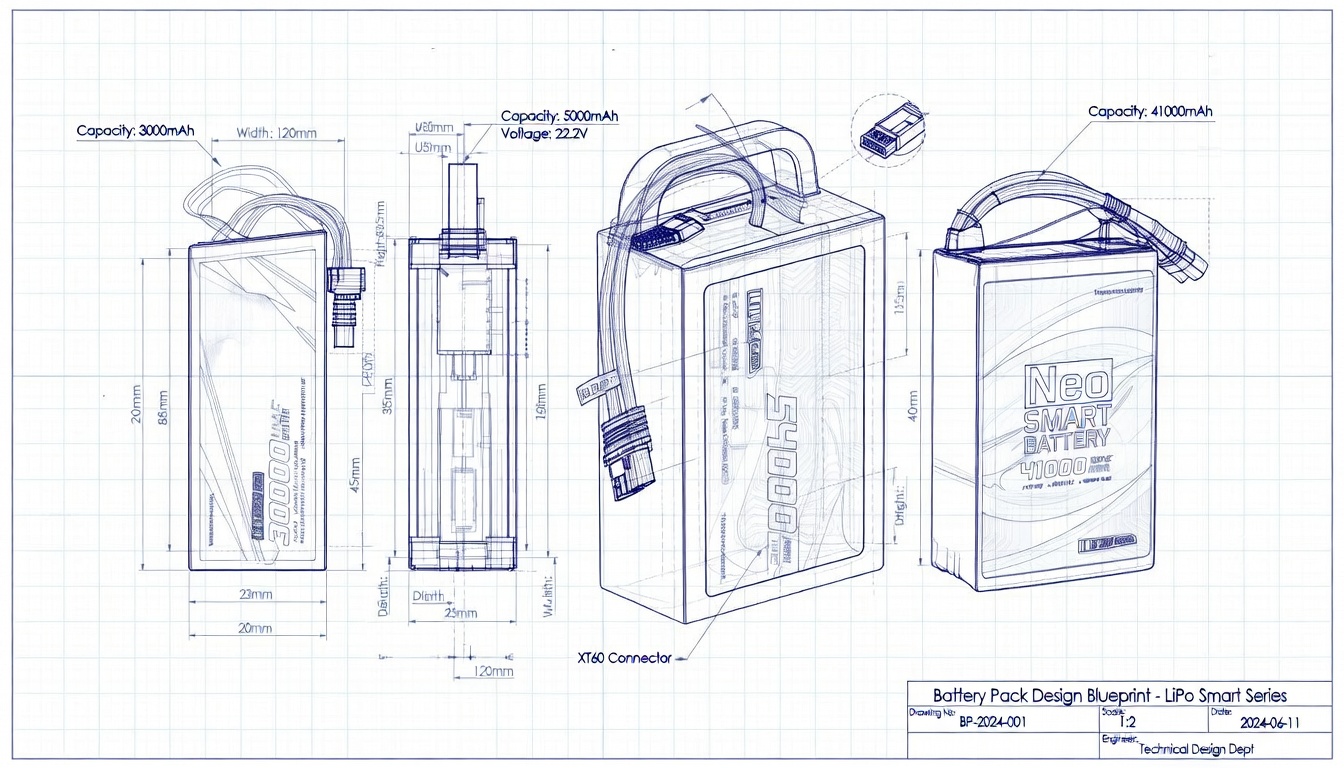
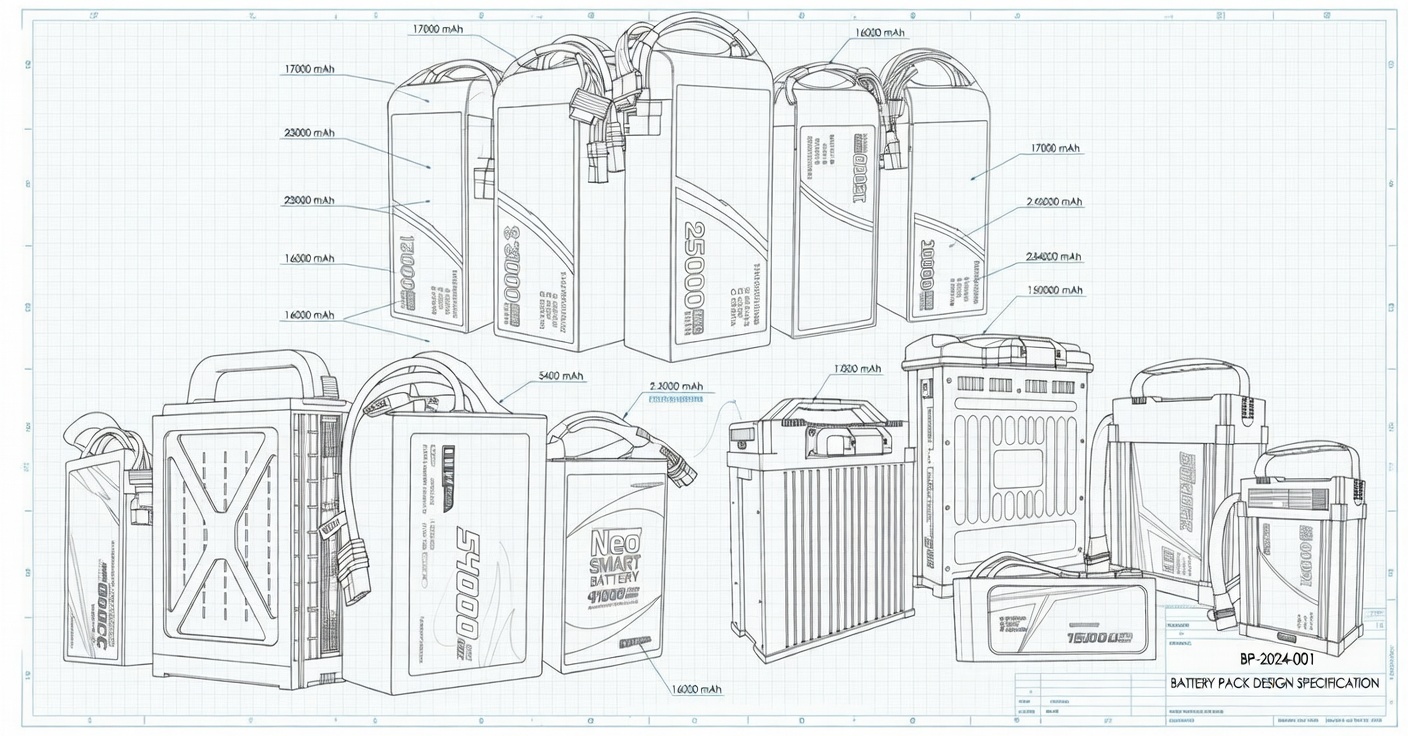
Battery failures during critical operations can ground entire fleets. Recent FAA guidance emphasizes battery safety as part of overall aircraft airworthiness requirements.
Critical Maintenance Areas:
- Regular battery health monitoring and documentation
- Proper storage and transportation following hazardous materials regulations
- Replacement schedules based on charge cycles rather than calendar time
- Temperature management during extreme weather operations
Expert Recommendation: Implement battery tracking systems monitoring charge cycles, storage conditions, and performance metrics. Maintain backup battery inventories meeting mission duration requirements plus 50% contingency.
Building a Compliance-First Disaster Response Framework
Successful disaster relief drone operations require preparation long before emergencies occur. Organizations should establish comprehensive compliance programs addressing all regulatory aspects.
Essential Framework Components:
- Pre-Deployment Checklists: Standardized verification procedures covering certification, registration, insurance, and equipment status
- Regulatory Monitoring: Dedicated personnel tracking regulation changes across operational jurisdictions
- Training Programs: Regular updates ensuring all team members understand current requirements
- Documentation Systems: Centralized record-keeping for all compliance-related materials
- Legal Partnerships: Established relationships with aviation attorneys for rapid consultation during complex situations
Technology Solutions Supporting Compliance
Modern drone management platforms offer features specifically designed to support regulatory compliance. These tools can automate many compliance tracking requirements, reducing administrative burden during critical operations.
Valuable Features:
- Automatic certificate expiration alerts
- Integrated airspace authorization requests
- Flight log documentation meeting regulatory standards
- Battery health monitoring and predictive maintenance alerts
- Geofencing preventing unauthorized area entry
Investing in compliant equipment from the outset prevents costly retrofits and operational interruptions. Quality battery systems with proper certification documentation ensure reliable performance while meeting safety standards.
Taking Action: Your Compliance Journey Starts Now
Regulatory compliance isn’t a barrier to effective disaster relief—it’s the foundation enabling sustainable, scalable operations that communities can depend upon. The difference between successful missions and costly violations often comes down to preparation and attention to detail.
Immediate Steps for Your Team:
- Conduct a comprehensive compliance audit of current operations
- Update all pilot certifications and aircraft registrations
- Establish emergency authorization protocols with local FAA offices
- Implement standardized pre-flight verification procedures
- Invest in compliant equipment and maintenance systems
Don’t wait for the next disaster to discover compliance gaps. Proactive preparation ensures your team can focus on what matters most—saving lives and supporting communities when they need help most.
Ready to strengthen your disaster relief drone operations? Our team specializes in high-performance, compliance-ready drone battery systems designed for demanding emergency response scenarios. Contact us today to discuss how reliable power solutions can support your regulatory compliance goals while maximizing operational effectiveness.
Visit our contact page: https://cnsbattery.com/drone-battery-home/drone-battery-contact
Your compliance journey begins with the right partnership. Let’s build safer, more effective disaster response capabilities together.