How to Evaluate Technical Compatibility in Initial Screening of Drone Battery Selection
The rapid expansion of commercial drone applications across industries like agricultural monitoring, industrial inspection, and logistics delivery has intensified the demand for reliable, high-performance battery solutions. Yet, a critical challenge persists: many drone operators face unexpected operational failures due to poor technical compatibility between batteries and their drone systems. According to a 2023 report by the Association for Unmanned Vehicle Systems International (AUVSI), over 35% of drone downtime incidents originate from battery compatibility issues, resulting in costly delays and safety concerns. This initial screening phase is where many projects stumble before they even take flight. Without proper technical evaluation, businesses risk investing in batteries that don’t match their drone’s specifications, leading to reduced flight times, system malfunctions, or even hazardous situations. In this guide, we’ll explore the essential technical compatibility factors to evaluate during your initial drone battery selection process.
Understanding the Physical Compatibility Puzzle
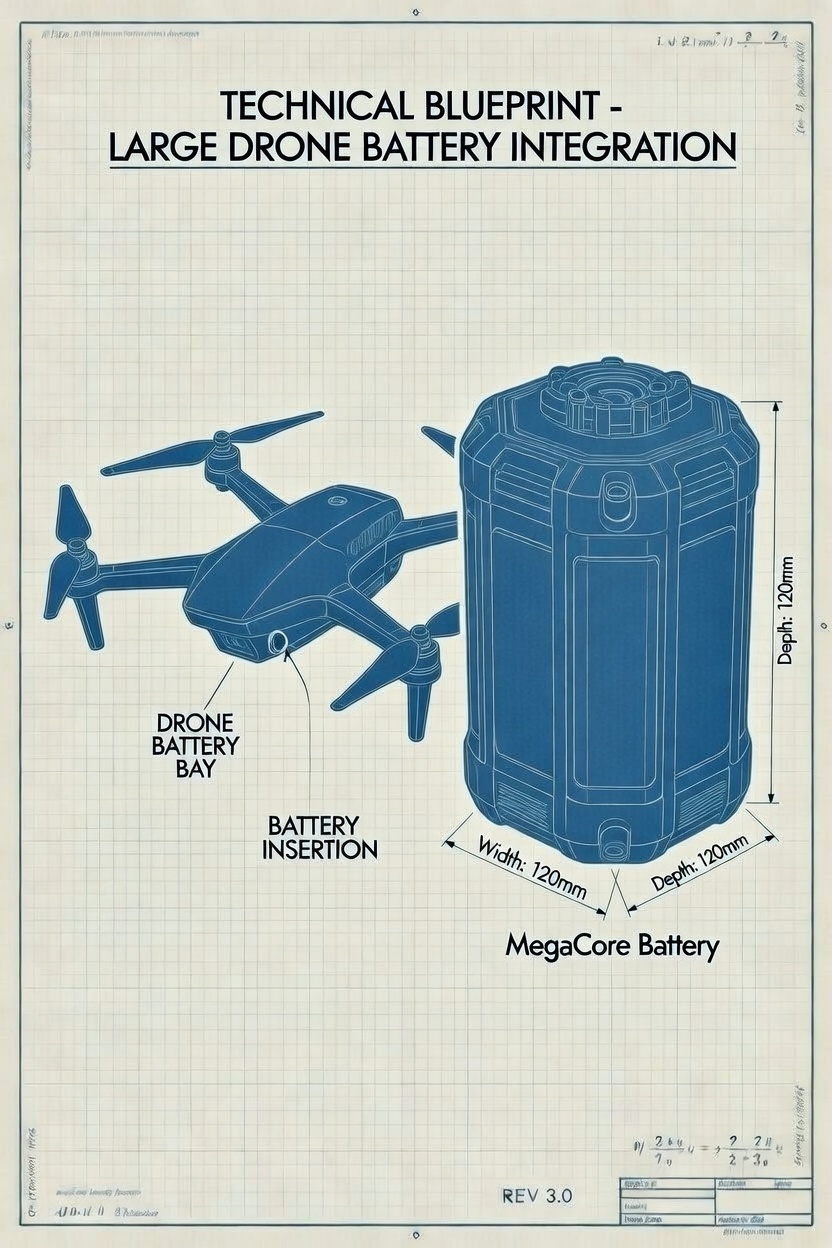
Before considering electrical specs, the physical fit between the battery and drone is paramount. A battery that doesn’t physically fit or secure properly can cause catastrophic failures mid-flight. Key considerations include:
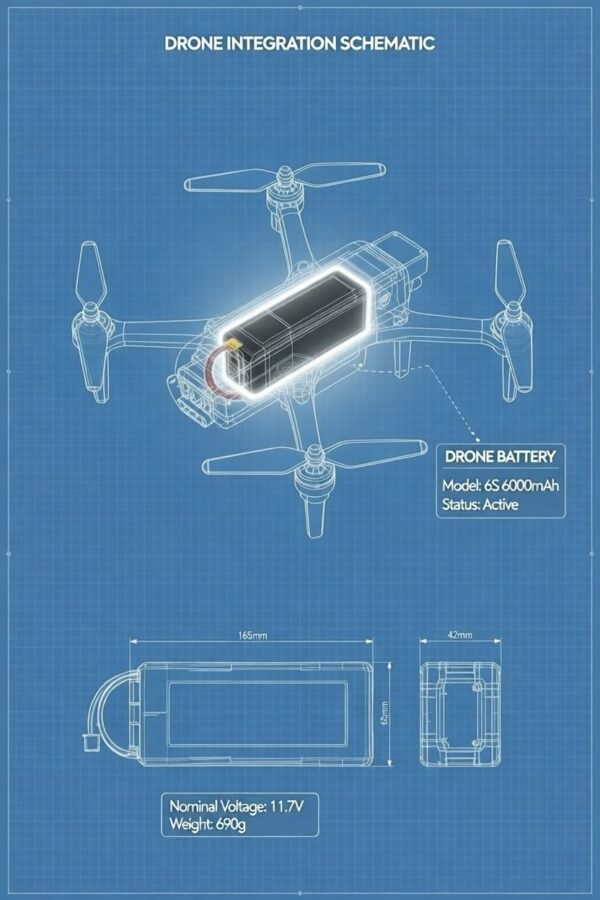
- Dimensions and Weight: Verify that the battery’s dimensions (length, width, height) and weight fall within your drone’s manufacturer specifications. For instance, a DJI Mavic 3 requires a battery measuring 6.2 x 5.5 x 2.1 cm with a maximum weight of 180g. Using a battery that exceeds these limits could compromise flight stability.
- Connector Type and Polarity: Ensure the battery connector matches your drone’s port type (e.g., XT60, JST, or proprietary connectors) and polarity. A mismatched connector can cause short circuits, as seen in an incident where a third-party battery with reversed polarity damaged a $15,000 surveying drone.
- Mounting Mechanism: Confirm compatibility with your drone’s mounting system. Some drones use spring-loaded connectors, while others require specific mounting brackets. For example, a custom battery for agricultural monitoring drones must integrate seamlessly with the drone’s payload bay without obstructing sensors.
Pro Tip: Always consult your drone’s technical manual for exact battery specifications before proceeding with any battery selection.
Electrical Specifications: The Power Behind the Flight
Electrical compatibility ensures your drone receives the correct power supply without overloading or underperforming. Critical electrical factors include:
- Voltage Requirements: Most consumer drones operate at 11.1V (3S LiPo), while industrial models may require 14.8V (4S) or higher. Using a battery with an incompatible voltage (e.g., 7.4V instead of 11.1V) can damage the drone’s electronic speed controllers (ESCs).
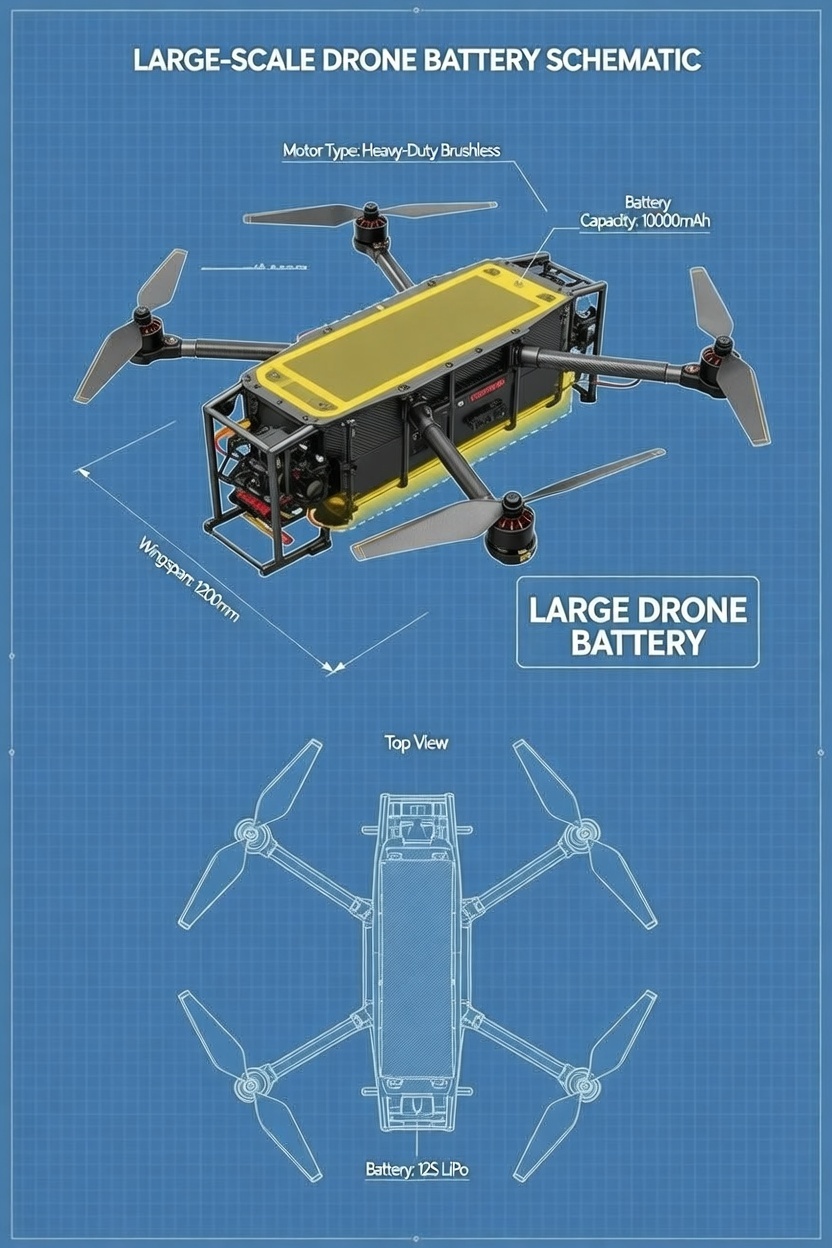
- Capacity and Current Rating: Check the battery’s mAh (milliamp-hour) capacity and discharge rate (C-rating). For extended flight times in agricultural monitoring, a 5000mAh 20C battery might be ideal, whereas a 3000mAh 30C battery would suit high-speed delivery drones needing rapid power bursts.
- Battery Management System (BMS) Compatibility: Ensure the BMS protocol matches your drone’s system. A mismatched BMS can prevent the drone from recognizing the battery or trigger false low-battery warnings.
Real-World Example: A logistics company experienced sudden drone landings during package delivery after installing a battery with a higher capacity but incompatible BMS. The drone’s system interpreted the battery as faulty, triggering an emergency landing.
Software and Communication Protocol Integration
Modern drone batteries often communicate with the drone’s flight controller via protocols like CAN bus or proprietary digital interfaces. This communication is crucial for:
- Battery Health Monitoring: Real-time data on voltage, temperature, and remaining charge.
- Safety Features: Automatic shutdown during over-discharge or overheating.
- Firmware Updates: Compatibility with your drone’s software ecosystem.
Key Checklist:
- Does the battery support the drone’s communication protocol?
- Can the battery’s data be integrated into your drone’s flight management software?
- Is firmware compatibility guaranteed for future updates?
For example, a drone used in offshore wind farm maintenance requires a battery with a robust communication protocol that integrates with the drone’s inspection software, allowing technicians to monitor battery status during long-distance flights over water.
Environmental Adaptability: Beyond the Lab
Drone operations occur in diverse environments, making environmental compatibility a non-negotiable factor. Consider:
- Temperature Range: Industrial inspection drones operating in Arctic conditions require batteries rated for -20°C, while agricultural drones in desert climates need high-temperature tolerance (up to 60°C).
- Water and Dust Resistance: For drones used in agricultural spraying or coastal inspections, IP67 or higher ratings are essential to prevent damage from moisture and dust.
- Vibration and Shock Resistance: High-altitude survey drones experience significant vibration; a battery must withstand these forces without internal damage.
Industry Insight: A study by the International Journal of Advanced Robotic Systems found that drones operating in harsh environments experienced 40% fewer battery-related failures when using weather-adaptive batteries designed specifically for those conditions.
Safety Certifications and Regulatory Compliance
Ignoring safety standards can lead to regulatory penalties, insurance complications, and safety hazards. Prioritize batteries with:
- UL 2271 or CE Certification: Essential for commercial operations in the EU and US.
- UN 38.3 Compliance: Mandatory for air transport of lithium batteries.
- Fire Safety Features: Batteries with built-in thermal runaway protection prevent catastrophic fires.
Critical Note: In 2022, a drone delivery service was fined $50,000 for using uncertified batteries that failed safety tests, highlighting the importance of regulatory compliance.
Practical Evaluation Framework for Your Initial Screening
To streamline your battery selection process, implement this five-step compatibility assessment:
- Document Drone Specifications: Note all battery-related parameters from your drone’s manual.
- Create Compatibility Matrix: List required specs (voltage, dimensions, connector type) against potential batteries.
- Verify Environmental Requirements: Match battery ratings to your operational conditions.
- Check Certification Status: Confirm all relevant safety and regulatory certifications.
- Request Sample Testing: Before bulk purchase, test a sample battery in your drone for 2-3 flight cycles.
Why Professional Guidance Matters
While this framework provides a solid foundation, the complexity of drone battery compatibility often demands expert input. This is where specialized manufacturers like CNS Battery excel. With over 15 years of experience in drone battery innovation, CNS offers:
- Customized Solutions: Tailored battery designs for specific drone models and applications.
- Rigorous Testing: Every battery undergoes 100+ hours of stress testing for reliability.
- Global Compliance: All products meet international safety and performance standards.
“Our clients in industrial inspection and agricultural monitoring consistently report 30% longer flight times and 50% fewer battery-related incidents after switching to our customized solutions,” says a CNS Battery technical lead.
Take Flight with Confidence: Your Next Step
Evaluating technical compatibility isn’t just about avoiding problems—it’s about unlocking your drone’s full potential. By implementing a thorough initial screening process, you’ll ensure seamless integration, extended flight times, and enhanced operational safety. Don’t let compatibility issues hold back your drone operations.
Ready to find the perfect battery solution for your specific drone application? Get your customized quote today and experience the CNS Battery difference. Our team of battery experts will guide you through every step of the compatibility evaluation process, ensuring your drone performs at its absolute best.
👉 Contact CNS Battery Now for Your Custom Drone Battery Solution
With CNS Battery, your drone won’t just fly—it will exceed expectations. Let us help you power the skies and empower your missions.