Top 10 Total Cost of Ownership (TCO) Tips for Disaster Relief Drone Batteries
In the high-stakes world of disaster response, every second counts, and the reliability of your drone battery can mean the difference between life and death. As organizations increasingly deploy drone technology for rapid assessment, search and rescue, and supply delivery in disaster zones, understanding the Total Cost of Ownership (TCO) for disaster relief drone batteries becomes a strategic necessity. TCO encompasses not just the initial purchase price but also operational costs, maintenance, replacement cycles, and even environmental considerations. For emergency response teams operating on tight budgets and under immense pressure, optimizing TCO ensures that resources are maximized for maximum impact. This article reveals the top 10 actionable strategies to reduce your drone battery TCO while enhancing mission success rates in critical disaster scenarios. By implementing these insights, you’ll transform your battery management from a cost center into a strategic asset that powers your humanitarian mission.
1. Match Battery Capacity to Mission-Specific Requirements
Don’t over-engineer your drone battery solution. Conduct a thorough analysis of your typical disaster relief missions to determine precise power needs. For example, short-range reconnaissance in urban environments requires different battery capacity than extended aerial surveys over vast rural areas. CNS Battery’s expertise in custom drone battery solutions helps organizations select the optimal capacity, avoiding unnecessary weight and cost while ensuring sufficient runtime. This targeted approach prevents premature battery replacement and reduces overall TCO by aligning power requirements with actual operational demands.
2. Prioritize Durable, Environmentally Resilient Batteries
Disaster zones present extreme conditions—rain, dust, temperature fluctuations, and physical shocks. Investing in high-quality batteries with robust environmental protection (IP67 or higher ratings) significantly reduces replacement frequency. CNS Battery’s modular drone battery designs incorporate waterproofing and shock resistance, ensuring reliable performance in hurricane aftermaths, earthquake zones, or flood-affected areas. While these batteries may have a slightly higher initial cost, their extended lifespan and reduced failure rates deliver substantial long-term TCO savings by minimizing unexpected downtime during critical missions.
3. Implement Smart Charging Protocols
Charging practices directly impact battery longevity. Implement a strategic charging protocol that avoids constant full charging cycles and minimizes exposure to extreme temperatures. For disaster relief operations, this means establishing dedicated charging stations with environmental controls and training staff on optimal charging patterns. CNS Battery’s battery management systems integrate with charging infrastructure to automate these processes, preventing degradation and extending battery life by up to 30%. This simple operational change significantly reduces replacement costs over time.
4. Optimize Battery Storage Conditions
Proper storage is often overlooked but critically impacts battery health. Store batteries in climate-controlled environments at 40-60% charge, away from direct sunlight and extreme temperatures. For organizations with multiple battery sets, implement a rotation system to prevent prolonged storage in suboptimal conditions. CNS Battery’s custom solutions include storage guides tailored to disaster response scenarios, ensuring batteries remain mission-ready when needed most. This attention to detail prevents premature capacity loss and extends battery life, directly lowering your TCO.
5. Establish Rigorous Maintenance Schedules
Regular maintenance prevents minor issues from becoming major failures. Create a standardized maintenance schedule that includes capacity testing, connector inspections, and thermal management checks. For disaster relief teams, this means conducting weekly checks during active operations and monthly deep inspections during downtime. CNS Battery’s comprehensive maintenance guidelines for industrial drone batteries provide clear, actionable steps that prevent unexpected failures and ensure consistent performance. Consistent maintenance reduces emergency replacement costs and extends the operational life of each battery.
6. Leverage Advanced Battery Management Systems (BMS)
A robust BMS is essential for disaster relief drone battery optimization. These systems monitor cell health, prevent overcharging, manage thermal conditions, and provide real-time power estimates. For high-stakes operations, BMS integration ensures that batteries operate within safe parameters, maximizing runtime while preventing catastrophic failures. CNS Battery’s BMS solutions are specifically designed for emergency response applications, offering the reliability needed when lives are at stake. The initial investment in BMS technology pays for itself through reduced battery failures and extended operational life.
7. Plan for Proactive Battery Replacement Cycles
Avoid reactive battery replacements by implementing a predictive maintenance schedule based on usage patterns. Track battery cycles, charge-discharge history, and operational conditions to anticipate when replacement is needed. For disaster relief organizations, this means planning replacements before critical missions rather than during them. CNS Battery’s data-driven approach to battery lifecycle management helps organizations establish realistic replacement timelines, ensuring operational continuity while avoiding the cost spikes associated with emergency replacements.
8. Invest in Comprehensive Staff Training
Human error is a significant factor in battery degradation. Train all personnel involved with drone operations on proper battery handling, storage, and charging procedures. This includes understanding the importance of not leaving batteries at extreme charge states for prolonged periods and recognizing early signs of degradation. CNS Battery’s training modules for B2B clients provide customized content that addresses the specific challenges of disaster response environments. Well-trained staff significantly reduce preventable battery failures, contributing to lower TCO over time.
9. Optimize Drone-Battery Integration for Energy Efficiency
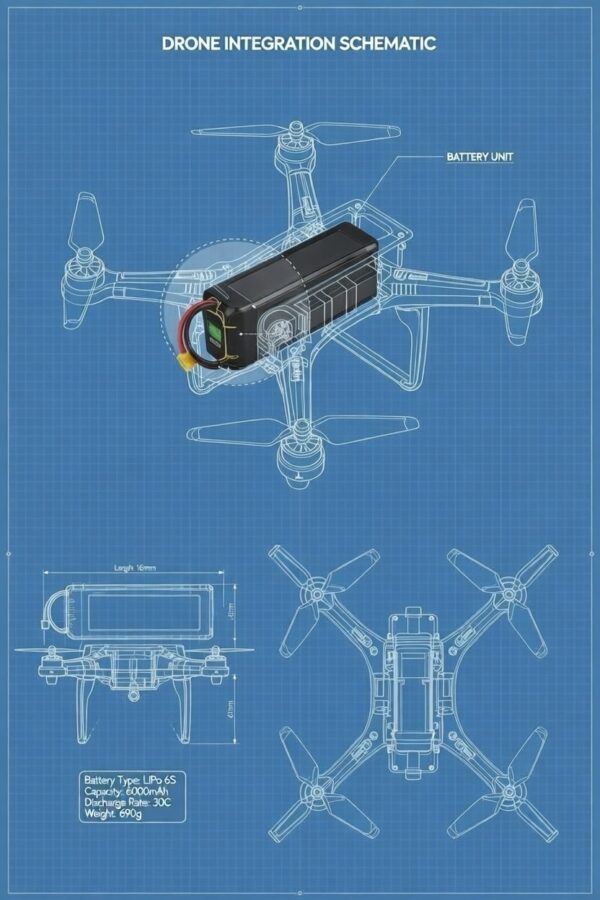
Work with drone manufacturers to ensure optimal battery-drone integration. Energy-efficient drone designs that minimize power consumption allow for smaller, lighter batteries that still meet mission requirements. This approach reduces both initial battery costs and the weight burden on the drone, extending flight time and reducing operational costs. CNS Battery collaborates with drone manufacturers to develop integrated solutions that maximize energy efficiency, directly lowering your TCO through smarter system design.
10. Implement Responsible Battery Recycling Programs
End-of-life battery management is an often-overlooked aspect of TCO. Establish a recycling program for depleted batteries to recover valuable materials and reduce disposal costs. Partner with manufacturers like CNS Battery that offer take-back programs, ensuring batteries are processed responsibly. This not only reduces environmental impact but also creates potential cost savings through material recovery. For disaster relief organizations, this responsible approach enhances your reputation while contributing to a sustainable operational model.
Conclusion: Powering Your Mission with Strategic Battery Management
Optimizing the Total Cost of Ownership for disaster relief drone batteries is not just about saving money—it’s about ensuring your mission-critical technology is always ready when it matters most. By implementing these top 10 strategies, you transform battery management from a logistical challenge into a strategic advantage that enhances operational effectiveness and extends your humanitarian reach.
The key to success lies in proactive planning, quality investments, and leveraging expert partnerships. CNS Battery specializes in providing the high-performance, reliable drone battery solutions that disaster relief organizations need to maximize their impact. With our deep expertise in custom battery solutions designed for extreme conditions, we can help you implement these TCO optimization strategies effectively.
Ready to transform your disaster relief drone battery strategy? Visit our contact page to request a customized quote for your specific operational needs: https://cnsbattery.com/drone-battery-home/drone-battery-contact. Our dedicated team will work with you to develop a battery solution that minimizes your Total Cost of Ownership while maximizing mission readiness. Don’t let battery limitations hold back your humanitarian efforts—power your mission with the right battery solution today.