
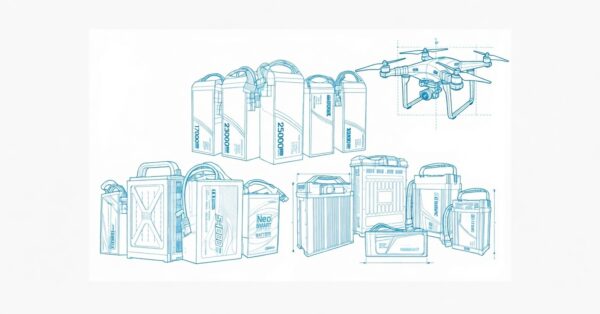
The rapid evolution of unmanned aerial vehicle technology has transformed power line inspection from a hazardous, labor-intensive task into a precise, efficient operation. At the heart of every successful power line patrol mission lies a critical component often overlooked: the drone battery. For power utility companies and inspection operators, understanding the five key factors that define high-performance drone batteries can mean the difference between seamless operations and costly downtime.
Energy Density: The Foundation of Extended Flight Operations
Energy density stands as the primary determinant of flight duration and operational range. In power line patrol scenarios, drones must cover extensive transmission corridors, often spanning dozens of kilometers without landing. High-performance lithium polymer (LiPo) batteries with energy densities exceeding 250 Wh/kg enable operators to complete full inspection routes on a single charge.
Consider a typical 500kV transmission line inspection requiring 45 minutes of continuous flight time. A battery with inferior energy density might necessitate mid-mission battery swaps, disrupting data collection and increasing operational costs. Modern high-density cells incorporate advanced cathode materials and optimized electrode architectures to maximize capacity within minimal weight constraints.
Practical Example: A utility company in Southwest China upgraded from standard 4000mAh batteries to high-density 6000mAh units, resulting in 40% longer flight times and 35% reduction in daily battery changeovers. This improvement translated to completing three inspection routes per day instead of two, significantly boosting operational efficiency.
Discharge Rate and Power Delivery Consistency
Power line patrol drones operate under demanding conditions, requiring stable power delivery during complex maneuvers near high-voltage equipment. The discharge rate, measured in C-rating, determines how quickly a battery can release energy without voltage sag or overheating.
For inspection drones equipped with high-resolution cameras, LiDAR sensors, and thermal imaging systems, consistent power delivery is non-negotiable. Batteries with discharge rates below 15C may struggle during rapid acceleration or when powering multiple payloads simultaneously. High-performance batteries maintain voltage stability throughout the discharge cycle, ensuring sensors receive clean, uninterrupted power.
Technical Compatibility Note: Always verify that your battery’s discharge characteristics match your drone’s power management system specifications. Mismatched components can trigger protective shutdowns mid-flight, potentially resulting in equipment loss.
Environmental Resilience and Temperature Tolerance
Power line inspections occur across diverse climates, from scorching desert environments to freezing mountain regions. High-performance drone batteries must operate reliably across temperature ranges spanning -10°C to +55°C, as specified in industry technical standards for aerial inspection systems.
Cold temperatures reduce battery capacity and increase internal resistance, while excessive heat accelerates degradation and poses safety risks. Advanced battery designs incorporate thermal management systems, specialized electrolyte formulations, and protective casing materials to maintain optimal performance regardless of ambient conditions.
Step-by-Step Temperature Management Guide:
- Pre-flight Assessment: Check ambient temperature and battery surface temperature before installation
- Cold Weather Protocol: Store batteries in insulated containers and warm to 15-25°C before use
- Hot Weather Protocol: Avoid direct sunlight exposure and allow cooling periods between flights
- Monitoring: Use battery management systems to track cell temperatures during operation
- Post-flight Care: Allow batteries to return to room temperature before charging
Cycle Life and Long-Term Cost Efficiency
Commercial power line patrol operations demand batteries capable of hundreds of charge cycles without significant capacity degradation. High-quality cells maintain 80% of original capacity after 500+ cycles, while inferior batteries may drop below acceptable thresholds within 200 cycles.
Total cost of ownership extends beyond initial purchase price. A battery costing 30% more upfront but lasting twice as long delivers superior value over its operational lifetime. Operators should calculate cost per flight hour rather than focusing solely on acquisition costs.
Investment Comparison Example:
| Battery Type | Initial Cost | Cycle Life | Cost Per Cycle |
|---|---|---|---|
| Standard LiPo | $450 | 250 cycles | $1.80 |
| Premium LiPo | $650 | 600 cycles | $1.08 |
| Advanced Li-Ion | $850 | 800 cycles | $1.06 |
The data clearly demonstrates that premium batteries deliver 40% lower operating costs despite higher initial investment.
Technical Compatibility and Integration Standards
Perhaps the most critical factor often overlooked is technical compatibility between batteries and drone platforms. Power line patrol operators frequently manage mixed fleets from different manufacturers, requiring batteries that integrate seamlessly with various power management systems.
Key compatibility considerations include:
- Communication Protocols: Smart batteries must support standard communication interfaces (CAN bus, UART, I2C) for accurate state-of-charge reporting
- Physical Dimensions: Battery form factors must fit within designated compartments without modification
- Connector Types: Standardized connectors reduce the risk of incorrect connections and ensure reliable power transfer
- Safety Certifications: Compliance with international standards (UN38.3, IEC62133, CE) ensures safe transportation and operation
Integration Checklist for Operators:
- Verify battery voltage matches drone power system requirements
- Confirm communication protocol compatibility with flight controller
- Test battery mounting mechanism for secure installation
- Validate charging system compatibility with existing infrastructure
- Ensure firmware updates maintain compatibility across system components
Implementing Best Practices for Battery Management
Achieving optimal performance requires more than selecting the right battery. Operators must implement comprehensive battery management protocols to maximize lifespan and ensure mission reliability.
Operational Best Practices:
- Store batteries at 40-60% charge when not in use for extended periods
- Avoid complete discharge; land drones when battery reaches 20% remaining capacity
- Use balanced charging systems to maintain cell voltage equilibrium
- Maintain detailed logs of charge cycles, flight hours, and performance metrics
- Conduct regular capacity testing to identify degrading batteries before failure
Safety First Approach:
Power line patrol operations occur near high-voltage infrastructure, making battery safety paramount. Implement strict protocols for battery inspection, handling, and emergency procedures. Any signs of swelling, leakage, or abnormal heating warrant immediate removal from service.
Future-Proofing Your Battery Investment
The drone inspection industry continues evolving rapidly, with emerging technologies like autonomous inspection systems and AI-powered defect detection increasing power demands. Selecting batteries with headroom for future requirements protects your investment against obsolescence.
Consider batteries with modular designs allowing capacity upgrades, smart features enabling remote monitoring, and manufacturer support for firmware updates. These features extend operational relevance as technology advances.
Conclusion: Making the Right Choice for Your Operations
The five key factors—energy density, discharge rate, environmental resilience, cycle life, and technical compatibility—form the foundation of high-performance drone battery selection for power line patrol operators. By prioritizing these characteristics, utility companies and inspection service providers can achieve reliable, efficient, and cost-effective operations.
Investing in quality batteries pays dividends through reduced downtime, extended mission capabilities, and lower total cost of ownership. As the power inspection industry continues advancing, operators who understand and apply these principles will maintain competitive advantages in an increasingly demanding market.
For detailed technical specifications, compatibility consultations, or customized battery solutions for your power line patrol operations, visit our dedicated contact page at https://cnsbattery.com/drone-battery-home/drone-battery-contact. Our engineering team stands ready to help you optimize your aerial inspection capabilities with battery technology designed for professional utility operations.
The future of power infrastructure inspection depends on reliable, high-performance drone systems. Start with the right battery foundation, and your operations will soar to new heights of efficiency and safety.


