How to Evaluate Technical Compatibility in Negotiation of Drone Battery Selection
In the rapidly evolving drone industry, selecting the right battery solution is no longer just about capacity—it’s about seamless integration with your specific UAV platform and operational demands. As drone applications expand into industrial inspection, precision agriculture, and logistics delivery, technical compatibility has become the linchpin of successful battery procurement. Without proper evaluation, even the most promising battery can lead to operational failures, safety hazards, and costly downtime. At CNS Battery, we’ve helped hundreds of B2B clients navigate these complexities by focusing on three critical dimensions: physical integration, performance alignment, and environmental resilience. This guide will walk you through a systematic approach to evaluating technical compatibility during drone battery negotiations, ensuring your investment delivers maximum value from day one.
Understanding Core Technical Specifications Beyond Basic Metrics
When negotiating drone battery solutions, it’s crucial to look beyond the surface-level specs that suppliers often highlight. While capacity (mAh) and voltage (V) are important, they’re just the beginning of the technical compatibility equation. A truly effective evaluation requires understanding:
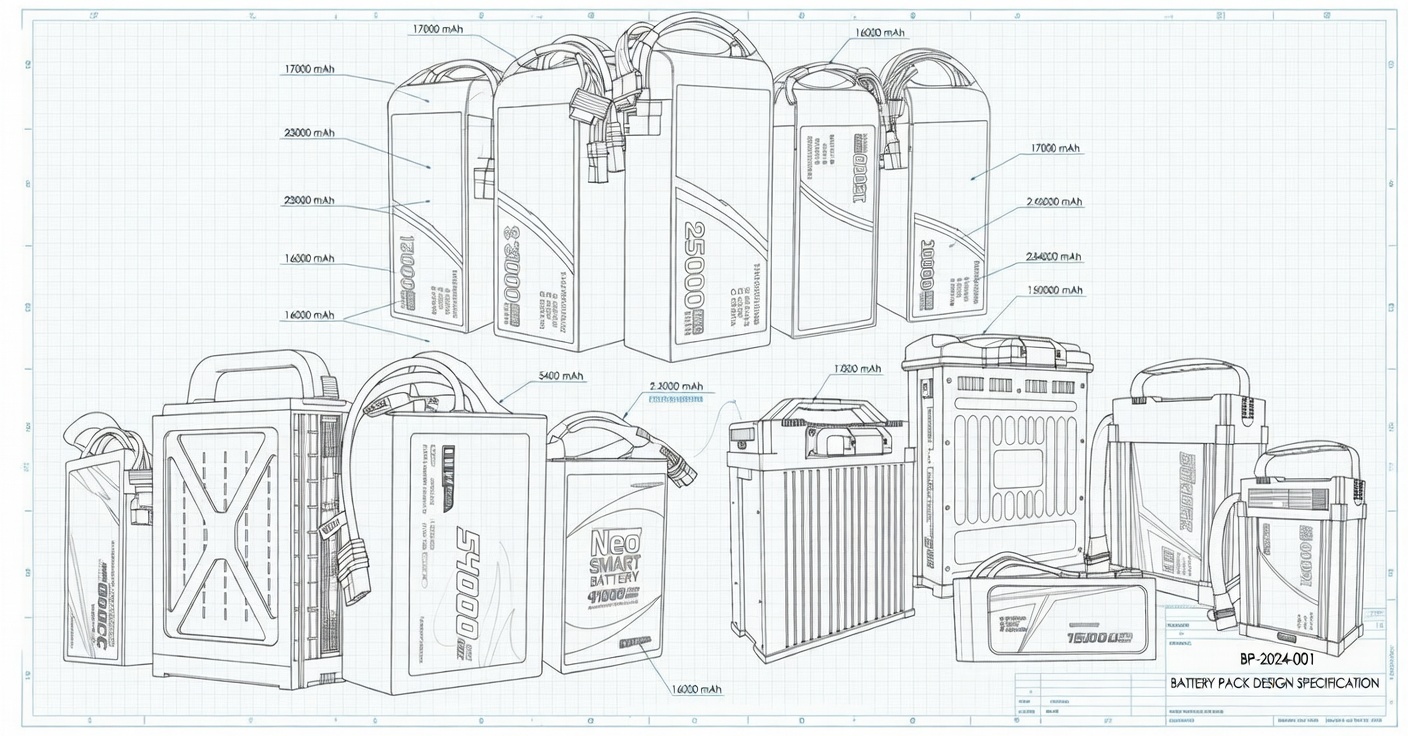
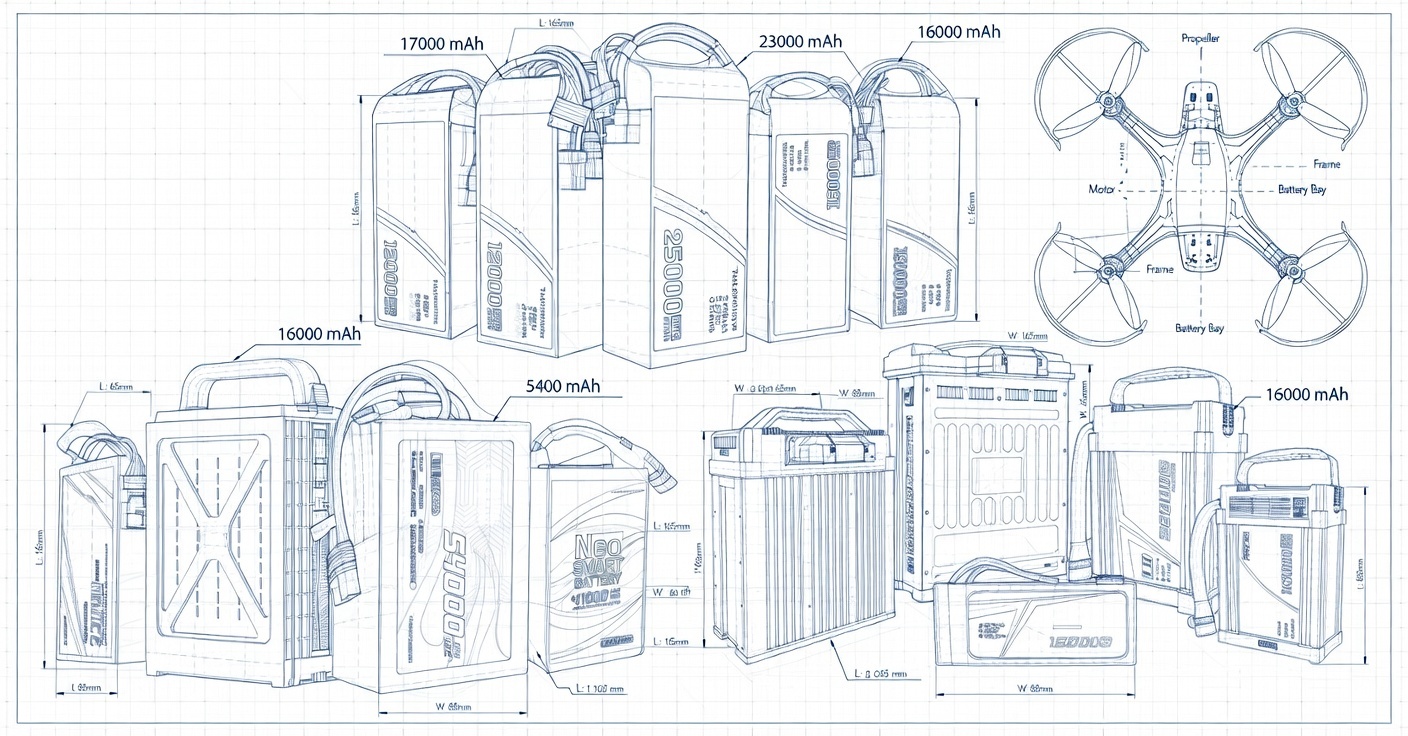
- Battery Form Factor and Connector Compatibility: Verify that the physical dimensions match your drone’s battery compartment and that the connector type (e.g., JST, XT60, or proprietary connectors) aligns with your UAV’s power system. Even a millimeter mismatch can prevent installation.
- C-Rate and Discharge Performance: Assess the continuous discharge rate (C-rating) to ensure it meets your drone’s peak power demands during critical operations like rapid ascents or heavy payload lifting.
- Battery Management System (BMS) Integration: Confirm that the BMS communicates effectively with your drone’s flight controller, providing accurate state-of-charge readings and preventing over-discharge scenarios.
- Thermal Management Capabilities: Evaluate how the battery handles heat during extended operations, especially in high-performance scenarios.
Pro Tip: Always request detailed technical datasheets with real-world performance data, not just manufacturer claims. CNS Battery’s engineering team provides comprehensive performance reports under various operational conditions to ensure accurate compatibility assessment.
Physical Integration: The Foundation of Seamless Operation
Physical compatibility is often the most overlooked yet critical aspect of drone battery integration. Many procurement teams focus solely on electrical specs while neglecting mechanical considerations, leading to frustrating installation challenges. To avoid these pitfalls:
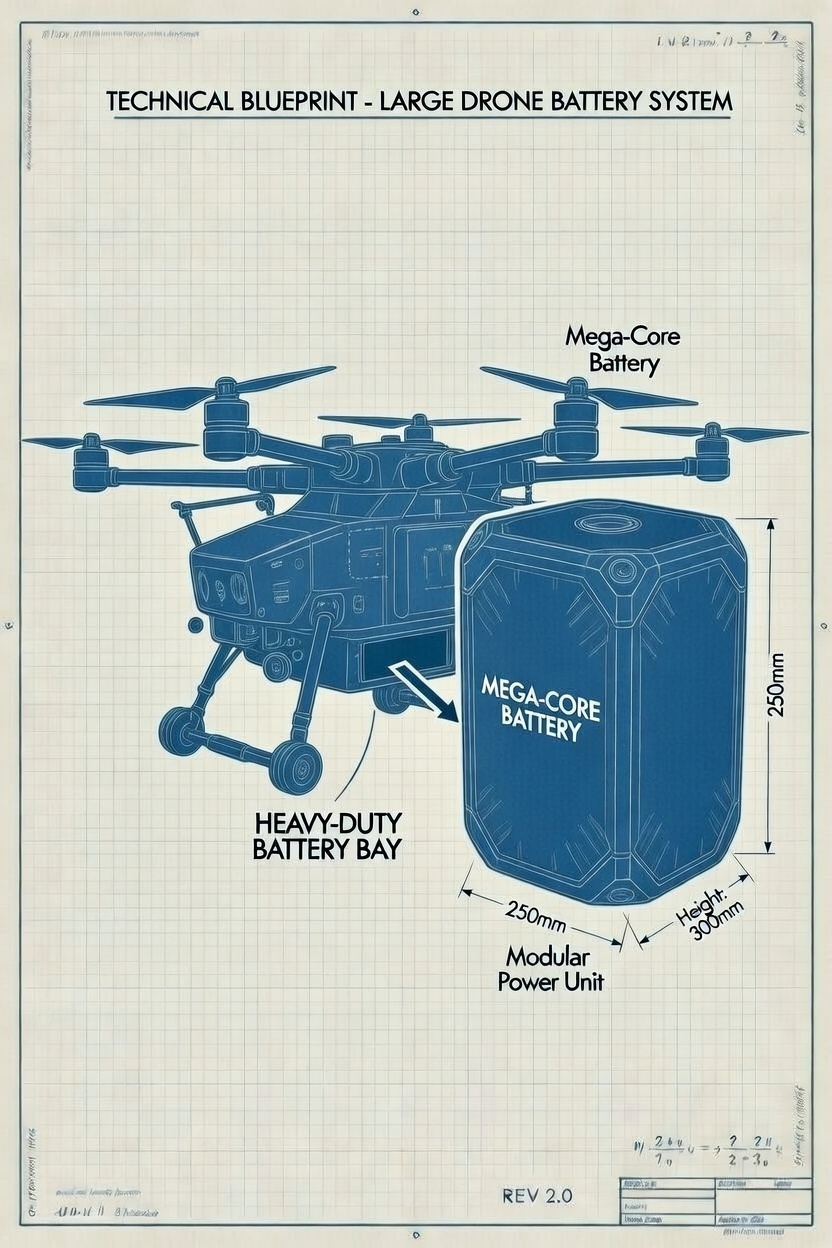
- Conduct a Detailed Drone Platform Audit: Measure your drone’s battery compartment dimensions, weight limits, and mounting points. Compare these with the proposed battery solution.
- Validate Connector and Wiring Compatibility: Ensure the battery’s connector matches your drone’s interface and that wiring harnesses can be integrated without modification.
- Check Weight Distribution Impact: Assess how the battery’s placement and weight affect your drone’s center of gravity and flight stability.
- Test Mounting and Removal Protocols: Verify that the battery can be installed and removed efficiently without compromising drone safety or operational readiness.
Management Insight: When evaluating potential suppliers, request physical samples for hands-on testing. At CNS Battery, we provide prototype batteries for client validation before full-scale production, ensuring a perfect physical fit for your specific drone model.
Performance Alignment: Matching Battery Capabilities to Mission Requirements
Technical compatibility isn’t just about physical fit—it’s about ensuring the battery delivers the performance your mission demands. This requires a deep understanding of your operational profile:
- Mission Duration and Power Profiles: Analyze your typical flight times, power consumption patterns, and peak power requirements. A battery that excels in short, high-power bursts may not be suitable for extended monitoring missions.
- Environmental Operating Conditions: Consider temperature ranges, humidity, altitude, and exposure to dust or moisture. For instance, agricultural drones operating in humid conditions require different battery management than industrial inspection drones in arid environments.
- Charging Infrastructure Compatibility: Ensure the battery’s charging protocol aligns with your existing charging infrastructure, whether using standard chargers or specialized rapid-charging systems.
- Future-Proofing for Upgrades: Evaluate whether the battery solution can accommodate future drone hardware or software updates without requiring complete replacement.
Strategic Approach: Develop a mission-specific performance matrix that maps your operational requirements against potential battery solutions. CNS Battery’s technical team works with clients to create customized performance benchmarks that ensure the battery meets all mission-specific criteria.
Environmental Resilience: The Unseen Compatibility Factor
Drone operations often occur in demanding environments that can significantly impact battery performance and longevity. Ignoring environmental compatibility can lead to premature battery failure and safety risks:
- Temperature Performance: Evaluate how the battery performs across your operational temperature range. Low-temperature environments require specific battery chemistries and thermal management.
- Water and Dust Resistance: Confirm the battery’s IP rating (e.g., IP67) aligns with your operational environment, especially for outdoor or industrial applications.
- Vibration and Shock Resistance: Ensure the battery can withstand the mechanical stresses of flight operations without compromising internal components.
- Chemical Resistance: If operating in environments with chemical exposure, verify the battery’s resistance to potential corrosive substances.
Field Validation: Request real-world testing data from the supplier under conditions similar to your intended operations. CNS Battery provides environmental performance reports for all battery solutions, including data from field testing in offshore wind farms, agricultural fields, and urban industrial settings.
Verifying Supplier Technical Support and Integration Capabilities
The true measure of technical compatibility extends beyond the initial product selection to ongoing support and integration. A supplier’s technical capabilities can make or break your drone operations:
- Engineering Collaboration: Assess the supplier’s willingness to work with your engineering team to ensure seamless integration.
- Customization Flexibility: Determine if the supplier can make necessary modifications to meet your specific requirements.
- Technical Documentation Quality: Review the comprehensiveness of the technical documentation provided, including integration guides and troubleshooting resources.
- Response Time to Technical Issues: Evaluate the supplier’s historical response time to technical inquiries and problem resolution.
Best Practice: During negotiations, request a technical integration roadmap that outlines how the supplier will support your team through the implementation process. CNS Battery provides dedicated technical account managers who work closely with clients throughout the integration phase, ensuring a smooth transition to the new battery solution.
Conclusion: Building a Future-Proof Drone Battery Strategy
Evaluating technical compatibility in drone battery selection isn’t just a one-time task—it’s the foundation of a successful, long-term drone operation strategy. By focusing on physical integration, performance alignment, environmental resilience, and supplier capabilities, you can avoid costly mistakes and ensure your battery solution delivers maximum value. The most successful drone operations don’t just use the right battery—they’ve engineered the right battery for their specific mission.
As the drone industry continues to evolve, technical compatibility will become increasingly critical. With CNS Battery’s expertise in custom drone battery solutions, you can be confident in selecting a battery that not only meets your current needs but also supports your future operational growth.
Ready to implement a technically compatible drone battery solution that delivers maximum performance?
Visit our contact page to request a personalized consultation with our engineering team and get a free quote for your custom drone battery solution. Our dedicated specialists will work with you to ensure perfect technical compatibility for your specific drone platform and operational requirements.