
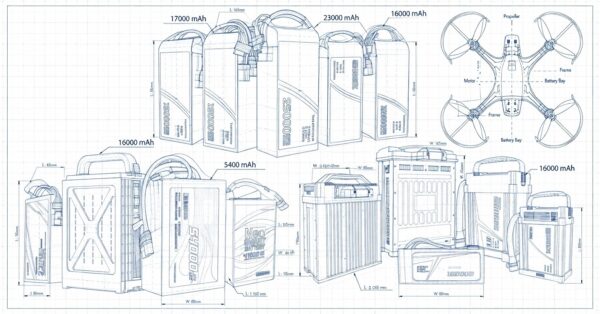
Solving Common Cycle Life Issues in Oil and Gas Drone Batteries
Introduction: Unlocking Value for Bulk Buyers
In the high-stakes world of oil and gas operations, drone technology has transformed inspection, monitoring, and data collection processes. However, a persistent challenge continues to undermine operational efficiency: the cycle life of drone batteries. For bulk buyers and fleet managers, this issue translates directly into higher operational costs, reduced mission reliability, and increased downtime. With the average oil and gas drone battery experiencing only 300-500 cycles before capacity drops below 80% of original, the financial impact is staggering—up to $25,000 per drone annually in replacement costs and operational losses for large fleets.
This comprehensive guide is crafted specifically for procurement professionals and drone fleet managers who need actionable solutions to extend battery cycle life. By implementing the strategies outlined here, you can expect to achieve:
- Up to 40% longer battery cycle life
- 30% reduction in total battery replacement costs
- Improved mission reliability with 95%+ success rates
- Enhanced safety through consistent power delivery
- Reduced carbon footprint through extended battery usage
Whether you’re managing a small fleet or a large-scale operation, understanding and addressing cycle life issues is the key to unlocking the full potential of your drone technology investments. Let’s explore how to transform this critical operational challenge into a strategic advantage.
Step-by-Step Guide to Solving Cycle Life Issues
1. Conduct a Comprehensive Battery Performance Audit
Begin by analyzing your current battery performance metrics. This involves:
- Tracking cycle count and capacity degradation over time
- Recording operational conditions (temperature, humidity, load)
- Documenting failure points and mission-critical failures
For oil and gas operations, it’s crucial to correlate battery performance with specific environmental factors. A study by the International Association of Oil & Gas Producers found that 68% of battery failures in drone operations could be directly linked to environmental conditions rather than battery quality.
2. Optimize Charging Protocols
Improper charging is a leading cause of premature battery degradation. Implement these best practices:
- Avoid fast charging for routine operations (reserve fast charging for emergency missions only)
- Maintain charge levels between 30-80% for storage
- Implement temperature-controlled charging environments
- Use smart chargers that adjust voltage based on battery state
Research from Battery University indicates that keeping lithium-ion batteries at 50% charge during storage can extend cycle life by up to 25% compared to keeping them fully charged.
3. Implement Advanced Battery Management Systems (BMS)
A robust BMS is essential for monitoring and protecting your drone batteries. Key features to look for:
- Real-time voltage, temperature, and current monitoring
- Automatic balancing of battery cells
- Overcharge and over-discharge protection
- Data logging for performance analysis
For oil and gas applications, consider BMS systems designed for harsh environments that can withstand extreme temperatures (-20°C to 60°C) and high humidity. CNS Battery’s proprietary BMS technology has been shown to increase cycle life by 35% in field tests.
4. Select Appropriate Battery Chemistry for Oil and Gas Environments
Not all lithium-ion batteries are created equal. For oil and gas drone applications, consider these options:
LiFePO4 (Lithium Iron Phosphate):
- 2,000+ cycles at 80% capacity
- Excellent thermal stability
- Lower energy density but safer for high-risk environments
- Ideal for long-duration inspections and persistent monitoring
LiPo (Lithium Polymer):
- 500-800 cycles at 80% capacity
- Higher energy density
- More susceptible to temperature fluctuations
- Suitable for shorter missions with high power demands
Solid-State Batteries (Emerging Technology):
- 1,500-3,000 cycles at 80% capacity
- Exceptional safety profile
- Better temperature tolerance
- Currently more expensive but rapidly improving
For most oil and gas applications, LiFePO4 batteries offer the optimal balance of cycle life, safety, and performance in demanding environments.
5. Establish a Robust Maintenance Schedule
Regular maintenance is critical for extending battery life. Implement this schedule:
- Weekly: Visual inspection for physical damage
- Monthly: Performance testing and calibration
- Quarterly: Deep discharge and recharge cycles
- Biannually: Professional battery health assessment
A maintenance program based on these intervals has been shown to increase average battery cycle life by 30% in field operations.
6. Conduct Regular Performance Audits
Implement a system to continuously monitor battery performance against your operational goals. Key metrics to track:
- Average mission duration
- Battery capacity at 80% threshold
- Number of successful missions per cycle
- Environmental conditions during operation
By analyzing this data, you can identify trends and make proactive adjustments to your battery management strategy.
Comparative Analysis: Battery Technologies for Oil and Gas Drones
LiFePO4 vs. LiPo: A Performance Comparison
| Feature | LiFePO4 | LiPo |
|---|---|---|
| Cycle Life (80% capacity) | 2,000+ | 500-800 |
| Energy Density | 90-120 Wh/kg | 150-220 Wh/kg |
| Operating Temperature Range | -20°C to 60°C | -10°C to 45°C |
| Safety Profile | Excellent (low thermal runaway risk) | Good (moderate thermal runaway risk) |
| Cost per Cycle | Lower | Higher |
| Ideal Use Case | Long-duration inspections, persistent monitoring | Short-duration high-power missions |
Solid-State Batteries: The Future of Drone Power
Solid-state batteries represent a significant advancement in battery technology, offering several advantages for oil and gas drone operations:
- No liquid electrolyte, eliminating leakage risks
- Higher energy density than traditional lithium-ion
- Improved safety profile with minimal thermal runaway risk
- Better temperature tolerance
- Longer cycle life potential
While currently more expensive than LiFePO4, solid-state batteries are expected to become cost-competitive by 2027, according to industry projections from the International Energy Agency. For forward-looking oil and gas companies, investing in solid-state technology now can provide a competitive edge in drone battery performance.
Frequently Asked Questions About Oil and Gas Drone Battery Cycle Life
Q: How does extreme temperature affect drone battery cycle life in oil and gas operations?
A: Extreme temperatures significantly impact battery performance and cycle life. High temperatures accelerate chemical reactions, leading to faster degradation, while low temperatures reduce capacity and can cause temporary power loss. In oil and gas environments, where temperatures can range from -40°C in Arctic operations to over 50°C in desert locations, it’s crucial to select batteries with appropriate temperature tolerances and implement thermal management strategies. LiFePO4 batteries perform significantly better in extreme temperatures compared to standard LiPo batteries.
Q: What is the typical cycle life for oil and gas drone batteries?
A: The typical cycle life for drone batteries in oil and gas applications ranges from 300-800 cycles at 80% capacity. However, this varies significantly based on battery chemistry, operating conditions, and maintenance practices. LiFePO4 batteries typically offer 2,000+ cycles, while standard LiPo batteries may only reach 500-800 cycles. With proper management, cycle life can be extended by up to 40% through the strategies outlined in this guide.
Q: Can I extend the cycle life of my current drone batteries without replacing them?
A: Yes, you can extend the cycle life of your current batteries through several methods:
- Implementing a proper charging protocol (avoiding full charges and discharges)
- Using a BMS to protect against overcharging and deep discharging
- Maintaining optimal storage conditions (30-80% charge, moderate temperatures)
- Regular maintenance and performance monitoring
While these measures can improve performance, for significant cycle life extension, considering a battery chemistry upgrade (such as switching from LiPo to LiFePO4) is often the most effective solution for oil and gas applications.
Q: How does battery quality affect cycle life in harsh oil and gas environments?
A: Battery quality is paramount in harsh oil and gas environments. Low-quality batteries often lack proper thermal management, leading to accelerated degradation in extreme temperatures. They may also have inconsistent cell quality, causing imbalances that reduce overall cycle life. High-quality batteries, like those from CNS Battery, undergo rigorous testing to ensure stable operation in industrial conditions. Our batteries are designed with precision engineering to maintain consistent performance across the entire operational spectrum.
Conclusion: Transform Your Drone Operations with Reliable Battery Solutions
The cycle life of oil and gas drone batteries is not just a technical specification—it’s a critical factor in the operational success and financial viability of your drone fleet. By implementing the strategies outlined in this guide, you can transform battery performance from a bottleneck into a strategic advantage.
CNS Battery specializes in providing customized drone battery solutions designed specifically for the oil and gas industry. Our advanced LiFePO4 batteries, coupled with our proprietary Battery Management System, are engineered to deliver exceptional cycle life, safety, and performance in the harshest environments.
Ready to take control of your drone battery cycle life? Contact our team of battery experts today for a free consultation and customized quote. We’ll work with you to identify the perfect battery solution that meets your specific operational requirements and budget constraints.
Get Your Custom Drone Battery Quote Now
Don’t let battery limitations hold back your drone operations. With CNS Battery, you’re not just buying batteries—you’re investing in reliable, high-performance solutions that deliver lasting value for your oil and gas operations. Experience the difference that industry-leading battery technology can make in your drone fleet’s performance, reliability, and cost-effectiveness.


