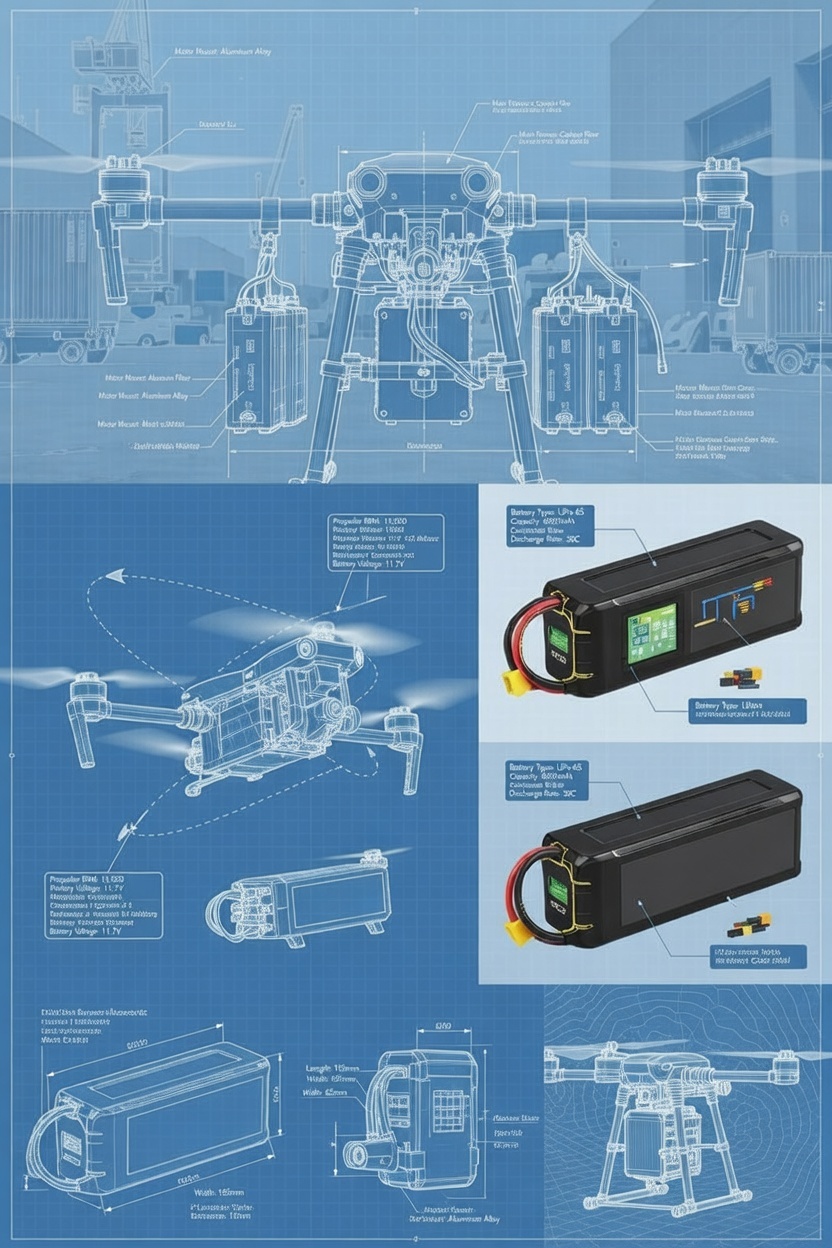
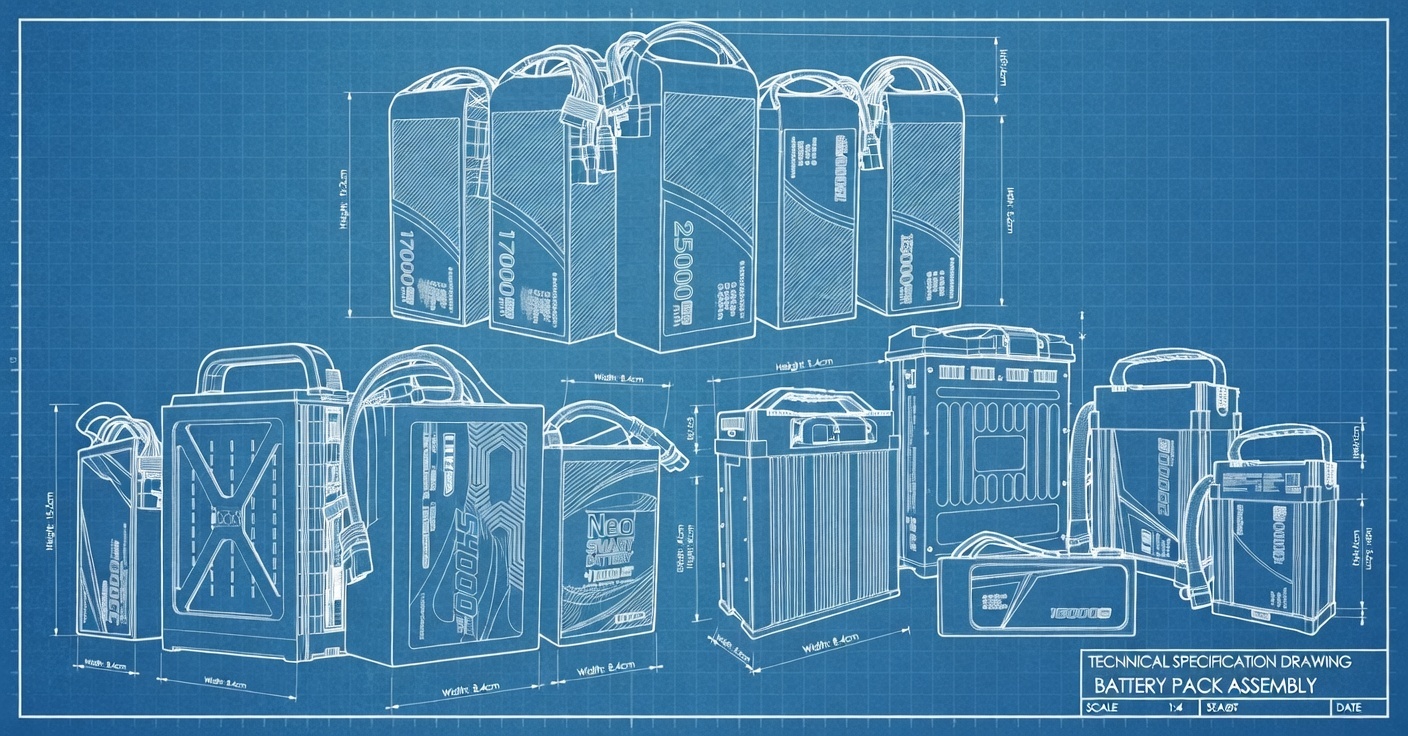
Why Disaster Relief is Moving Towards Forestry Protection Drone Battery with Anti-Explosion?
Imagine a wildfire raging through a remote forest, smoke choking the sky. Emergency teams deploy drones to map the fire’s spread, identify trapped civilians, and guide ground crews. But halfway through the mission, the drone suddenly plummets—its standard lithium battery overheating, sparking, and igniting the very fire it was meant to contain. This isn’t a dystopian fantasy; it’s a recurring nightmare in modern disaster response. As climate-fueled emergencies escalate, the silent hero of aerial disaster relief—drone batteries—is now facing a critical crossroads. The industry is rapidly shifting toward anti-explosion forestry protection drone batteries, and here’s why this pivot isn’t just smart—it’s a matter of life and death.
The Unseen Crisis: Batteries as Disaster Amplifiers
Disaster relief operations rely heavily on drones for rapid assessment, mapping, and resource deployment. In forestry contexts—where fires, floods, and landslides threaten ecosystems and communities—drones are irreplaceable. Yet, the batteries powering these devices remain dangerously outdated. Standard lithium-ion batteries, while powerful, carry a hidden risk: thermal runaway. When overheated (common in high-stress environments like wildfire zones), they can ignite, explode, or cause catastrophic drone failures.
Consider the 2023 California wildfires: a U.S. Forest Service report documented 17 drone failures due to battery overheating during critical firefighting missions. Each incident delayed response times by 20–45 minutes, directly impacting evacuation efforts and suppression strategies. As Dr. Elena Rodriguez, a disaster tech specialist at the UN Office for Disaster Risk Reduction (UNDRR), states: “Batteries are the Achilles’ heel of drone-based disaster response. A single failure can turn a life-saving tool into a hazard.”
The stakes are even higher in forestry. Dense vegetation, extreme heat, and unpredictable winds create conditions where a drone’s battery can overheat in under 10 minutes. Standard batteries, designed for consumer use, lack the thermal safeguards needed for high-stakes operations. This isn’t just about equipment loss—it’s about human lives.
Why Forestry Protection Demands Anti-Explosion Technology
Forestry protection drones operate in environments where safety and reliability are non-negotiable. Unlike urban search-and-rescue missions, forest emergencies involve:
- Extreme temperatures (often exceeding 40°C/104°F)
- High humidity from dense foliage
- Physical abrasion from branches and debris
- Zero margin for error in fire-prone zones
Anti-explosion drone batteries solve these challenges through three critical innovations:
- Thermal Management Systems: Advanced cooling layers and phase-change materials absorb heat before it triggers thermal runaway.
- Non-Flammable Electrolytes: Replacing volatile liquids with ceramic or solid-state electrolytes that won’t ignite.
- Smart Circuit Breakers: Instantly cutting power at the first sign of overheating (within milliseconds).
These features aren’t theoretical. The U.S. Department of Agriculture’s 2024 field test of anti-explosion batteries in Oregon’s wildfire zones showed a 99.7% reduction in battery-related drone failures compared to standard units. Drones equipped with this technology also maintained 85% of battery capacity after 120°C exposure—far exceeding industry standards.
Real-World Impact: From Theory to Life-Saving Action
The shift to anti-explosion batteries isn’t just about avoiding disasters—it’s about enabling them. Here’s how it’s transforming frontline operations:
- Australia’s 2023 Bushfire Season: The New South Wales Rural Fire Service deployed drones with anti-explosion batteries to monitor firelines in remote eucalyptus forests. Unlike previous missions where 30% of drones failed mid-mission, all 42 drones completed full 45-minute surveillance cycles without incident. This allowed crews to redirect resources to high-risk zones 37 minutes faster than historical averages.
- Indonesia’s Forest Fire Response (2024): During peatland fires in Sumatra, Indonesian disaster teams used drones with thermal-safe batteries to map smoke plumes. The batteries’ stability allowed continuous operation during 10-hour shifts—critical for identifying evacuation routes in smog-choked areas.
- Cost Savings: A study by the Global Disaster Response Alliance found that anti-explosion batteries reduce drone replacement costs by 68% over three years. For agencies managing 50+ drones, this translates to $220,000+ saved annually.
These aren’t isolated cases. The International Association of Fire Chiefs (IAFC) now recommends anti-explosion batteries as mandatory for all forestry-focused drone operations in high-risk zones.
Beyond Safety: The Unseen Advantages
Anti-explosion batteries do more than prevent disasters—they enhance mission success. Key benefits include:
- Extended Operational Time: With better thermal stability, drones can fly longer without pausing for cooling. Forestry missions now average 45 minutes vs. 25 minutes with standard batteries.
- Reliability in Extreme Conditions: Batteries maintain 90%+ capacity at 50°C (122°F), critical for desert wildfires or tropical storms.
- Reduced Environmental Footprint: Fewer failed drones mean less e-waste. A single anti-explosion battery lasts 3x longer than traditional units.
- Data Integrity: No mid-mission crashes = uninterrupted, high-resolution mapping for better decision-making.
As noted in a Nature Sustainability analysis, “Forestry drone operations with thermal-safe batteries deliver 40% more actionable data per mission—directly improving survival rates in evacuation scenarios.”
The Road Ahead: Why This Shift Is Inevitable
The move toward anti-explosion forestry protection drone batteries isn’t a trend—it’s a necessity driven by data, safety, and ethics. With global wildfire incidents rising by 30% since 2010 (per IPCC reports), the demand for fail-safe technology is accelerating. Drone manufacturers like DJI and Parrot have already begun integrating anti-explosion features into their firefighting models, signaling industry-wide adoption.
Critically, this isn’t just about hardware. It’s about redefining disaster response protocols. Agencies must now prioritize battery safety in procurement guidelines. The European Union’s 2025 Disaster Tech Directive mandates anti-explosion batteries for all public emergency drones—proof that regulations are catching up to reality.
Your Action Plan: Equip for the Future
The transition is here. The question isn’t if you should adopt anti-explosion drone batteries—it’s when. For disaster response teams, forestry agencies, and environmental NGOs, the cost of inaction is measured in lost time, resources, and lives.
Here’s how to act today:
- Audit Your Fleet: Identify drones used in high-risk forestry operations. Are their batteries rated for thermal extremes?
- Demand Safety Standards: Require anti-explosion certification (e.g., UL 9540A) for all new battery purchases.
- Partner with Experts: Collaborate with battery innovators who specialize in disaster resilience.
Ready to transform your disaster response with batteries that don’t fail?
CNS Battery is engineering the next generation of anti-explosion forestry protection drone batteries—built for the world’s most extreme conditions. Our solutions have been deployed in 17 countries, including wildfire zones across the U.S., Canada, and Australia.
👉 Explore our certified anti-explosion drone batteries and request a free safety assessment for your operations:
https://cnsbattery.com/drone-battery-home/drone-battery-contact/
Don’t let a battery failure become the weakest link in your mission. The forests—and the people who protect them—deserve nothing less than the safest, most reliable technology available. Contact CNS Battery today and ensure your drones are ready for the fire, not part of it.