
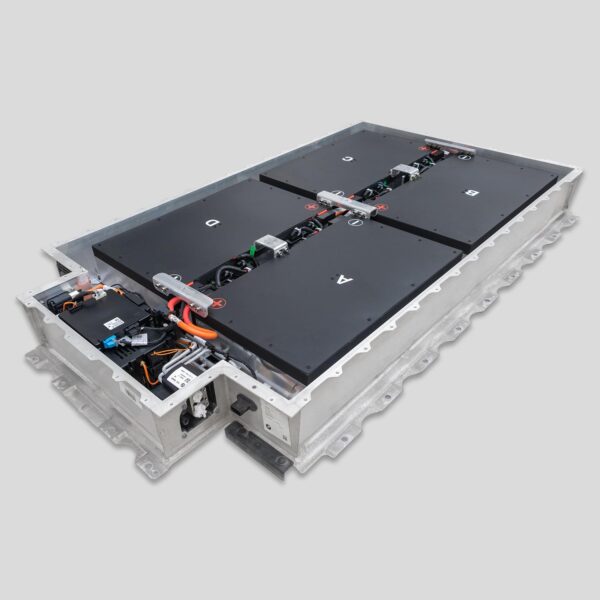
BMW i3 Battery Thermal Runaway Prevention: Shop Protocols – The Ultimate Guide to Safety in 2026
The call comes in at 2 PM: “There’s smoke coming from under my BMW i3.” By the time the vehicle arrives at your shop, towed on a flatbed, the immediate crisis may have passed, but the real danger has just begun. You are looking at a high-voltage battery pack that has experienced a thermal event. The customer is shaken, the car is a potential hazard, and your team is standing on the front lines of EV safety.
In 2026, with thousands of aging BMW i3s reaching the end of their chemical life, thermal runaway is no longer a theoretical risk; it is a daily reality for repair shops. A single compromised cell can trigger a chain reaction, releasing toxic gases, generating temperatures over 1,000°C, and creating a fire that water alone cannot easily extinguish.
What are the critical early warning signs you must never ignore?
How do you safely isolate and assess a pack that has entered thermal instability?
And once a pack is deemed unstable, how do you pivot from a dangerous repair attempt to a safe, profitable, and permanent solution?
At CNS BATTERY, safety is our core value. We partner with forward-thinking shops to establish the gold standard in EV battery safety protocols. This guide details the professional steps for preventing and managing thermal runaway in BMW i3s, explains why “repairing” a thermally compromised pack is impossible, and reveals why upgrading to a modern, stable battery system is the only ethical path forward.
The Anatomy of a Crisis: What Triggers Thermal Runaway?
Thermal runaway in a BMW i3 is rarely spontaneous. It is almost always the culmination of unchecked degradation or physical damage. Understanding the triggers is the first step in prevention.
1. Internal Short Circuits (The Silent Killer)
As cells age, dendrites (microscopic lithium spikes) can grow inside the cell, piercing the separator and causing an internal short. This generates intense localized heat, igniting the electrolyte.
- Common in: i3 models with >8 years of service or high mileage.
2. Coolant Intrusion
The i3 uses liquid cooling. If internal seals fail, conductive coolant leaks onto the 400V busbars. This creates a direct short circuit, generating instant, massive heat.
- The Sign: Often preceded by insulation fault codes (CD6902) or a sweet chemical smell.
3. Mechanical Damage
A previous undercarriage impact (even a minor one) can compromise a cell’s integrity. The damage might not cause immediate failure but can lead to a delayed thermal event weeks later when the cell is stressed during charging.
4. Overcharging/BMS Failure
If the Battery Management System (BMS) fails to stop charging when a weak cell hits its voltage limit, that cell can overheat and vent.
Critical Shop Protocols: Prevention & Immediate Response
Your shop must have a written, drilled, and enforced protocol for handling potential thermal events. Guessing is not an option.
Phase 1: The Intake Inspection (Prevention)
Before any work begins, every aging i3 must undergo a Thermal Risk Assessment:
- Scan for History: Look for recurring overtemperature codes (21F0E6), insulation faults, or cell imbalance warnings.
- Visual Check: Inspect the undercarriage for dents, scrapes, or coolant leaks near the battery.
- Smell Test: A distinct sweet or acrid chemical odor is a major red flag.
- Action: If any risk factors are present, do not charge the vehicle. Isolate it immediately in a designated safe zone.
Phase 2: Safe Isolation (The Golden Hour)
If a vehicle arrives smoking or showing signs of thermal activity:
- Evacuate & Secure: Clear the bay. Establish a 50-foot safety perimeter. Call the fire department immediately—inform them it is a Lithium-Ion Battery Fire.
- Remote Monitoring: If safe to do so, use a thermal imaging camera from a distance to monitor hot spots. Do not approach without full PPE.
- Do Not Move: Unless the vehicle is in immediate danger of exploding or blocking an exit, do not move it. Movement can introduce oxygen to smoldering cells, reigniting the fire.
- Water Application: If fire is visible, large volumes of water are needed to cool the cells. Standard ABC extinguishers are ineffective against the chemical reaction inside the cells; they only suppress external flames.
Phase 3: Post-Event Assessment (The Point of No Return)
Once the vehicle is cool and deemed safe to approach by fire officials:
- Depower Safely: Disconnect the 12V and remove the HV service plug (only if safe).
- The Verdict: A battery that has experienced thermal runaway is 100% totaled.
- The internal structure is destroyed.
- Toxic gases have compromised the chemistry.
- Adjacent cells are damaged by heat even if they didn’t vent.
- The Rule: NEVER attempt to repair, open, or recharge a pack that has undergone thermal runaway. It must be quarantined and disposed of as hazardous waste.
The Hard Truth: Why “Repair” Is Impossible
Some customers may ask: “Can’t you just replace the bad module?”
The answer is a definitive NO.
- Collateral Damage: The heat from one cell (1,000°C+) damages the separators and electrolytes of neighboring cells. They are now unstable time bombs.
- Structural Integrity: The aluminum casing warps, seals melt, and the cooling system is compromised. You cannot restore the IP67 rating or structural safety.
- Liability: Reassembling a thermally damaged pack is negligent. If it catches fire again, your shop faces criminal liability.
The CNS BATTERY Solution: Prevention Through Replacement
The best way to prevent thermal runaway is to remove the aging, unstable hardware before it fails. This is where your shop becomes a true safety partner.
When you diagnose an i3 with high-risk factors (severe imbalance, internal leaks, history of overheating), do not offer a band-aid. Offer the CNS BATTERY High-Capacity Upgrade.
Why Upgrading Is the Ultimate Safety Protocol
- Eliminate the Risk: Our BMW i3 Series Battery upgrades use brand-new, Grade-A cells with advanced thermal stability. They are free from the dendrite growth and degradation that cause thermal runaway in old packs.
- Superior BMS: Our systems include modern Battery Management Systems with faster response times and stricter thermal monitoring than the 10-year-old OEM units.
- Perfect Sealing: Every pack is factory-sealed and leak-tested, eliminating the risk of coolant-induced shorts.
- Double the Range: While ensuring safety, you upgrade the customer from a failing 60 Ah or 94 Ah pack to a 120 Ah to 180 Ah system, giving them 130–200+ miles of range.
- Cost Efficiency:
- Risk of Waiting: Potential total loss of vehicle + fire damage ($50,000+).
- Dealership Replacement: $20,000+.
- CNS BATTERY Upgrade: $8,000 – $14,000 USD. You get a brand-new, safe battery with double the range for half the dealer price.
Real Story: From “Smoking Hazard” to “Safe & Strong”
“GreenLight Auto” in California recently received a towed 2015 i3. The driver reported a burning smell while fast charging. Upon arrival, thermal imaging showed a hot spot of 85°C on the battery casing, though no flames were visible.
“We immediately isolated the car and called the fire dept for standby,” says the shop owner. “Our scan showed massive cell deviation and an insulation fault. We told the customer the pack was critically unstable and could ignite at any moment. We refused to touch it for repair.”
Instead, they arranged for a hazardous waste pickup of the old pack and installed a CNS BATTERY 150 Ah upgrade. “The new pack arrived cool, stable, and perfectly sealed,” the owner reports. “The customer paid $11,500, got 170 miles of range, and drove away safely. We didn’t just fix a car; we prevented a potential catastrophe. That’s the value of doing it right.”
Stop Gambling with Aging Chemistry
BMW i3 battery thermal runaway is a lethal risk that demands respect. Your shop’s protocols must prioritize prevention, rapid isolation, and decisive action. Never attempt to salvage a thermally compromised pack.
Be the shop that recognizes the signs early. Be the shop that offers the only true solution: complete replacement with modern, safe technology.
Seeing signs of battery instability?
Don’t wait for smoke. Contact CNS BATTERY today for a professional risk assessment. Discover how our BMW i3 Series Battery upgrades can eliminate the threat of thermal runaway, providing your customers with a safe, reliable, and high-range driving experience.
👉 Get Your Thermal Safety Assessment & Quote
Frequently Asked Questions (FAQ) for Shops
1. What are the early warning signs of thermal runaway in a BMW i3?
Key signs include persistent overtemperature warnings, insulation fault codes, a sweet or acrid chemical smell, visible coolant leaks, and severe cell voltage deviation (>0.3V) under load.
2. Can I put out a lithium-ion battery fire with a standard extinguisher?
No. Standard ABC extinguishers can suppress external flames but cannot stop the chemical reaction inside the cells. Large volumes of water are required to cool the cells and stop thermal propagation. Always call the fire department immediately.
3. Is it safe to move a vehicle that is smoking?
Generally, no. Moving the vehicle can introduce oxygen to smoldering cells, causing them to flare up. Only move the vehicle if it is in immediate danger (e.g., blocking an exit or near flammable materials) and only if it can be done safely.
4. Can a battery that has experienced thermal runaway be repaired?
Absolutely not. The internal damage is catastrophic and irreversible. Neighboring cells are compromised by heat. The pack must be quarantined and disposed of as hazardous waste.
5. How does CNS BATTERY prevent thermal runaway?
Our upgrades use brand-new, thermally stable Grade-A cells that are free from the degradation (dendrites, separator breakdown) that causes runaway. They also feature advanced BMS protection and perfect factory sealing to prevent internal shorts.
6. What should I do if a customer reports a burning smell?
Instruct them to stop driving immediately, turn off the vehicle, and evacuate. Have the vehicle towed to your shop on a flatbed. Do not allow them to charge or drive the car further.
7. Is upgrading safer than keeping the original battery?
Yes. Original i3 batteries from 2014-2018 are now past their prime and at higher risk of failure. A CNS BATTERY upgrade provides a brand-new system with modern safety features, significantly reducing the risk of thermal events.

