BMW i3 Battery Replacement: Old Battery Recycling – Your Legal & Ethical Guide
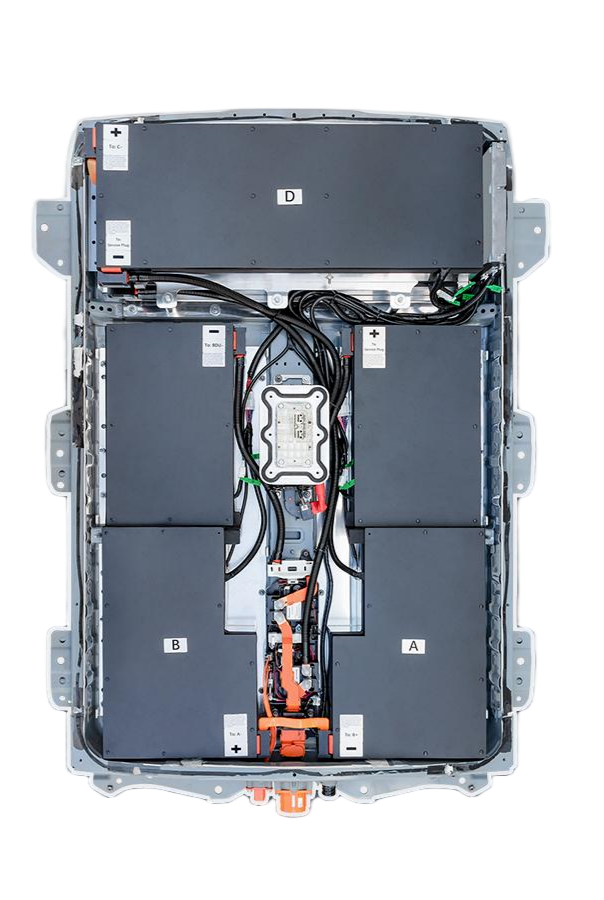
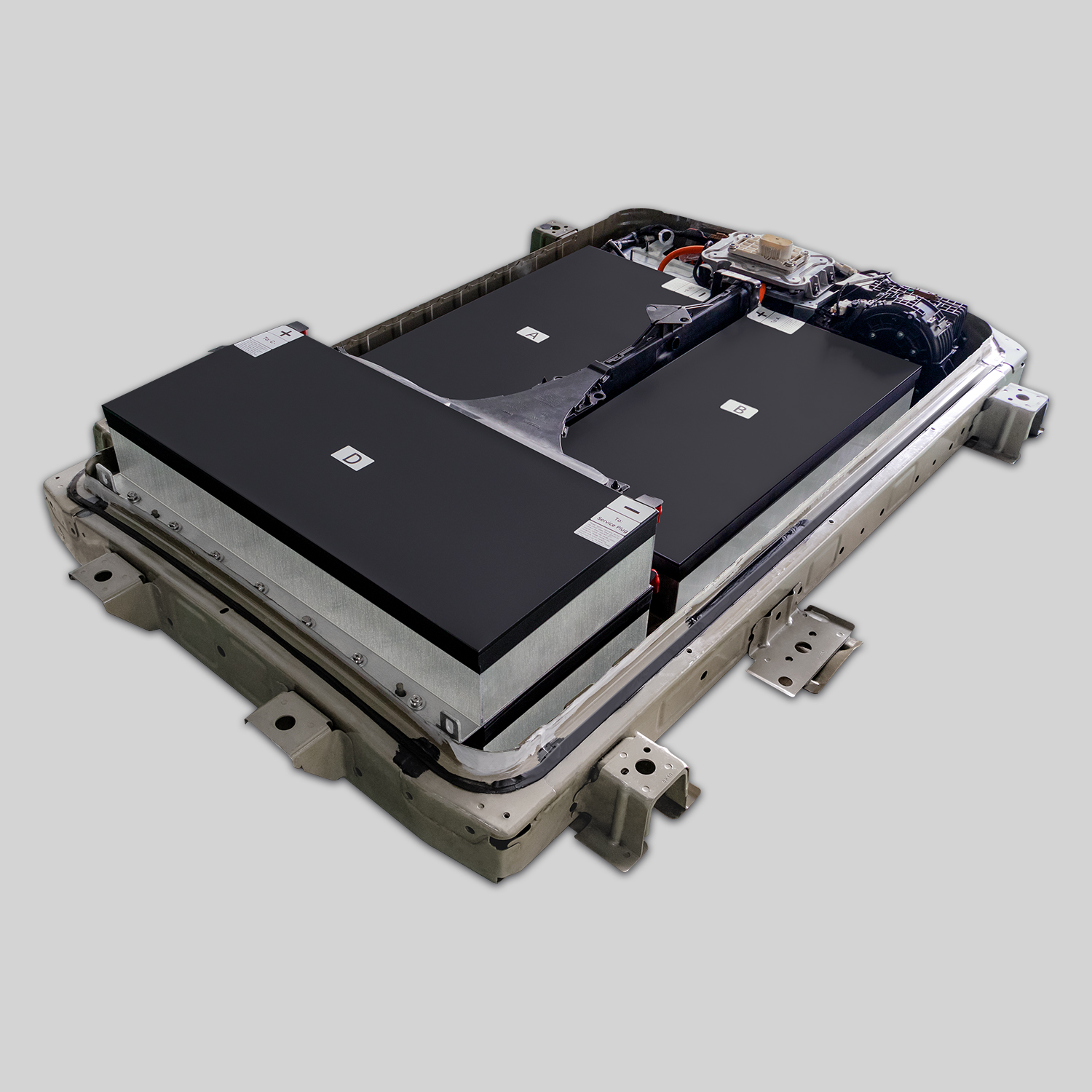
You have made the decision. Your BMW i3’s range is no longer sufficient, and you are ready to upgrade to a high-capacity 120 Ah battery from CNS BATTERY. You are excited about doubling your range and restoring your car’s utility. But as the installation date approaches, a heavy reality sets in: What do I do with the old, 500-pound high-voltage battery sitting in my garage?
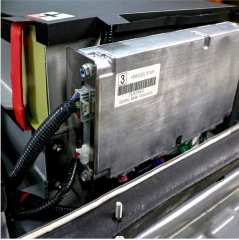
It’s not just a heavy box of metal. It is a complex assembly of Lithium-Ion cells, toxic electrolytes, copper, aluminum, and cobalt. It is classified as hazardous waste. You cannot throw it in the trash. You cannot leave it at the curb. In fact, improper disposal is illegal in most jurisdictions and can result in fines exceeding $10,000 USD.
How do I transport a potentially unstable battery safely?
Where can I take it for recycling?
Will I get paid for my old battery, or do I have to pay to get rid of it?
The logistics of BMW i3 old battery recycling are daunting for any individual owner. One wrong move—dropping the pack, puncturing a cell, or using an unlicensed transporter—can lead to fires, environmental contamination, and severe legal liability.
At CNS BATTERY, we believe that responsible ownership extends beyond the drive. We don’t just sell upgrades; we manage the entire lifecycle of your powertrain, ensuring your old battery is handled with the highest safety and environmental standards. This guide explains the critical importance of proper recycling, the dangers of DIY disposal, and how our turnkey solution makes going green the easiest part of your upgrade journey.
The Hidden Danger: Why You Can’t Just “Toss It”
Many owners underestimate the risks associated with a used EV battery. Even a “dead” i3 battery retains enough energy to cause catastrophic events if mishandled.
1. Thermal Runaway Risk
A degraded battery may have internal shorts or damaged cells. Physical impact during loading or transport can trigger thermal runaway—an uncontrollable self-heating reaction that leads to intense fires which are nearly impossible to extinguish with standard methods.
2. Toxic Chemical Leakage
Inside those orange cables and aluminum casings lie electrolytes containing lithium salts and organic solvents. If the casing is breached, these chemicals can leak into your driveway, seep into the groundwater, and contaminate local soil. The environmental cleanup cost can be astronomical.
3. Legal Liability
In the US (under EPA regulations) and Europe, EV batteries are Class 9 Hazardous Materials.
- Transport: Moving them requires UN-certified packaging, specific labeling, and licensed HazMat carriers.
- Disposal: Dumping them in a landfill is a felony.
- The Risk: If you attempt to transport it yourself in a personal truck and an accident occurs, you are personally liable for all damages, cleanup costs, and fines.
The Recycling Reality: Where Do Batteries Go?
Proper BMW i3 battery recycling is a sophisticated industrial process, not a simple melting pot.
- Safe Discharge: Certified facilities first fully discharge the pack to eliminate fire risks.
- Dismantling: The pack is opened, and modules are separated from the casing, wiring, and cooling components.
- Hydrometallurgy/Pyrometallurgy:
- Recovery: Valuable materials like Lithium, Cobalt, Nickel, and Copper are extracted and purified. These materials are then sold back to battery manufacturers to build new batteries, closing the loop.
- Neutralization: Toxic electrolytes are chemically neutralized to prevent environmental harm.
- Second-Life Applications: Some modules that are too weak for a car but still hold charge may be repurposed for stationary energy storage (e.g., solar backup systems), extending their useful life before final recycling.
The Problem for Owners: Very few local scrap yards or recycling centers are equipped or licensed to handle high-voltage EV packs. Most will refuse your battery outright, leaving you stranded with a hazardous object.
The CNS BATTERY Solution: Hassle-Free, Compliant Recycling
At CNS BATTERY, we remove the burden of recycling from your shoulders. We understand that our customers want to save the planet, not navigate a maze of HazMat regulations.
When you choose us for your BMW i3 battery replacement, you aren’t just buying a new battery; you are buying a complete, compliant disposal service.
Our “White-Glove” Recycling Protocol
- Professional Removal: Our certified technicians remove your old battery using specialized lifts and tools, ensuring no damage occurs during extraction.
- UN-Certified Packaging: Immediately upon removal, we seal the old pack in UN-rated, fire-resistant containers designed specifically for damaged or degraded Lithium-Ion batteries.
- Licensed HazMat Transport: We utilize our network of licensed hazardous material carriers to transport the old pack directly to authorized recycling partners. You never have to touch it or load it into your vehicle.
- Certified Processing: We partner only with top-tier recycling facilities that adhere to strict environmental standards, ensuring maximum material recovery and zero landfill contribution.
- Documentation: You receive a Certificate of Recycling/Disposal. This document proves that your battery was handled legally and responsibly, protecting you from any future liability.
The Financial Benefit
Some owners hope to sell their old battery to offset the upgrade cost. The reality?
- Scrap Value is Low: Due to the high cost of safe dismantling and the varying health of used cells, scrap yards often offer pennies on the dollar, or nothing at all.
- Disposal Costs are High: If you try to dispose of it yourself, licensed HazMat disposal can cost you $300–$600 USD or more.
- The CNS Advantage: We include the full cost of safe removal, transport, and recycling in our upgrade package price. There are no hidden fees, no surprise bills, and no need for you to hunt for a buyer. You get peace of mind included.
Real Story: From “Hazardous Headache” to “Green Hero”
Meet Elena, a 2015 i3 owner. She planned to upgrade her battery but assumed she could sell her old 60 Ah pack on eBay to a DIY enthusiast to recoup some costs. She listed it, fielded sketchy inquiries, and worried about liability if the buyer mishandled it. She also got quotes from local hazmat disposers ranging from $400 to $800 just to take it away.
Frustrated, she contacted CNS BATTERY. “They told me, ‘Don’t worry, we handle everything,'” Elena recalls. “On installation day, they swapped the batteries, loaded the old one onto their certified truck, and handed me a recycling certificate two weeks later. I didn’t spend a dime on disposal, I didn’t risk a fire in my driveway, and I knew my old battery was being recycled responsibly. It was the most professional part of the whole experience.”
Be a Responsible EV Owner
Choosing to upgrade your BMW i3 is a step towards sustainability—extending the life of your vehicle reduces the need for manufacturing a whole new car. But that sustainability cycle is only complete if the old battery is recycled correctly.
Don’t let the logistical nightmare of hazardous waste disposal stop you from making the upgrade. Don’t risk your safety or the environment by trying to handle it yourself.
Ready to upgrade your BMW i3 responsibly?
Stop worrying about where to put your old battery. Contact CNS BATTERY today for a quote on our 120 Ah upgrade. Our price includes professional removal, licensed HazMat transport, and certified recycling of your old pack, ensuring a seamless, eco-friendly transition to double your range.
👉 Get Your Upgrade & Recycling Quote
Frequently Asked Questions (FAQ)
1. Can I throw my old BMW i3 battery in the regular trash?
Absolutely not. EV batteries are classified as hazardous waste. Disposing of them in regular trash is illegal and poses severe fire and environmental risks. They must be processed by licensed recycling facilities.
2. Will I get money for my old i3 battery?
Typically, no. Due to the high costs of safe transportation, dismantling, and recycling, most scrap values are negligible. In many cases, owners must pay for disposal. At CNS BATTERY, we cover all disposal costs within our upgrade package, saving you the hassle and expense.
3. Is it safe to store my old battery in my garage while I wait for recycling?
No. Degraded batteries can be unstable. Storing a large, high-voltage pack in a residential garage poses a significant fire risk. It should be removed and transported to a certified facility immediately after replacement.
4. How does CNS BATTERY handle the recycling process?
We manage the entire chain: safe removal, UN-certified packaging, licensed HazMat transport, and delivery to authorized recycling partners. We ensure all environmental regulations are met and provide you with a Certificate of Recycling for your records.
5. What happens to the materials in my old battery?
Our recycling partners recover valuable metals like Lithium, Cobalt, Nickel, and Copper. These materials are purified and sold back to manufacturers to create new batteries, reducing the need for mining and supporting a circular economy.
6. Can I recycle the battery myself at a local center?
Most local recycling centers do not accept high-voltage EV batteries due to lack of equipment and licensing. Attempting to drop it off yourself may result in rejection and you being stuck with the hazardous item. Professional handling is required.
7. Does the recycling cost extra?
With CNS BATTERY, no. The cost of safe removal, transport, and certified recycling is included in our comprehensive upgrade package price. There are no hidden fees or surprise charges for doing the right thing.