BMW i3 Battery Range Loss After Charging: Fixes & The Hidden Truth
You plug in your BMW i3 tonight, watching the charging light pulse steadily. By morning, it’s solid green. The dashboard proudly displays “100% Charged.” You feel ready for the day.
But then, you drive just three miles to the coffee shop, and the range indicator plummets by 15 miles. Or worse, you unplug the car, and before you even put it in drive, the “Guess-O-Meter” (GOM) drops from 80 miles to 55 miles instantly.
Did the charge fail?
Is my battery leaking energy while parked?
Why does my range vanish the moment I finish charging?
This phenomenon—BMW i3 battery range loss after charging—is one of the most frustrating and confusing issues for owners. It feels like a ghost is stealing your miles. But there is no ghost. There is only chemistry, physics, and often, a failing battery management system trying to hide a harsh reality.
At CNS BATTERY, we have diagnosed thousands of i3s exhibiting this exact symptom. We know that while some causes are simple software glitches, others are the death rattle of an aging battery pack. This guide reveals the real reasons your range disappears post-charge, offers actionable fixes for minor issues, and explains why, for many owners, the only permanent solution is a capacity upgrade that doubles your driving freedom.
The Phantom Drop: Why Range Vanishes After Charging
When your range drops significantly immediately after charging or within the first few miles of driving, it is usually due to one of three specific mechanisms.
1. The “False Full” Syndrome (Cell Imbalance)
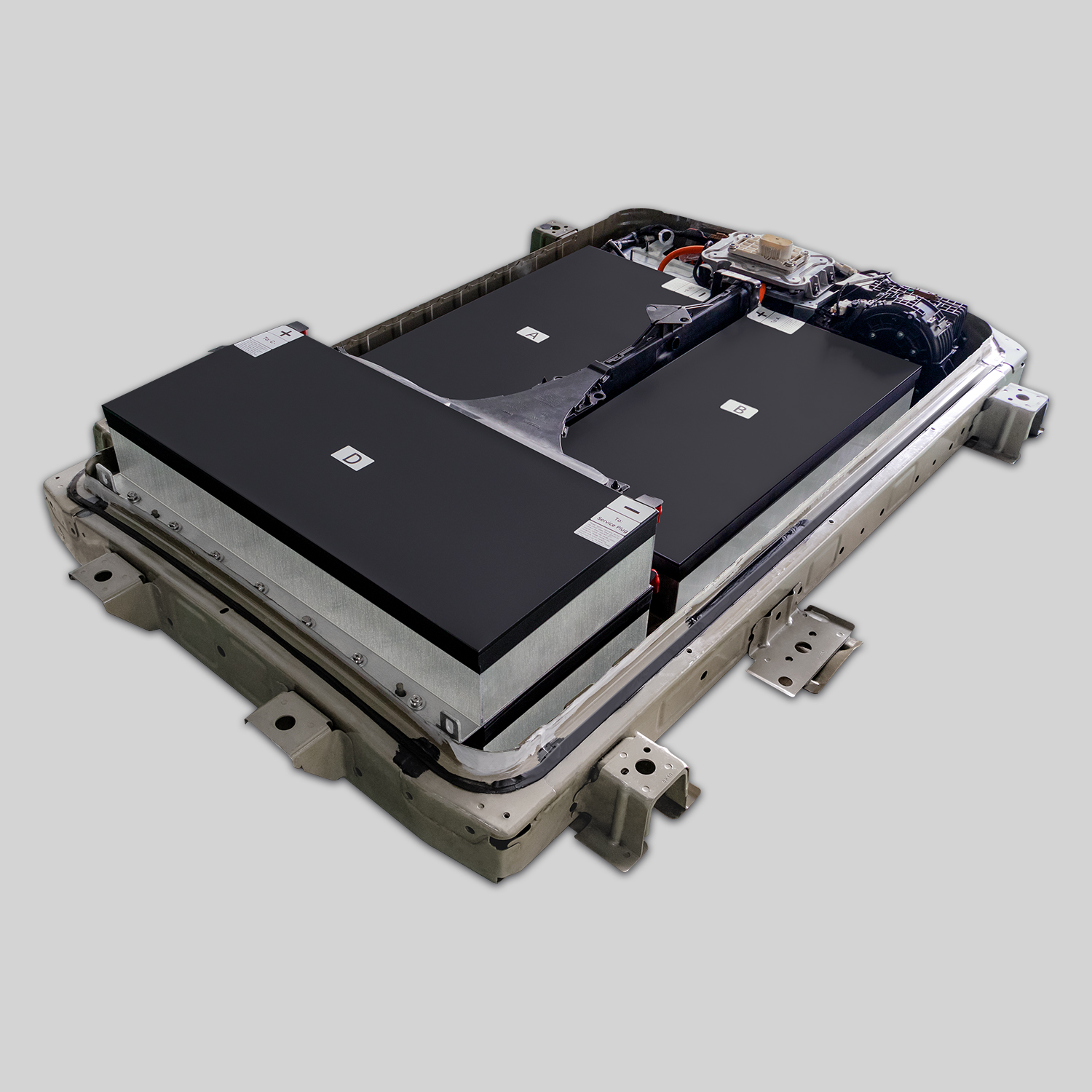
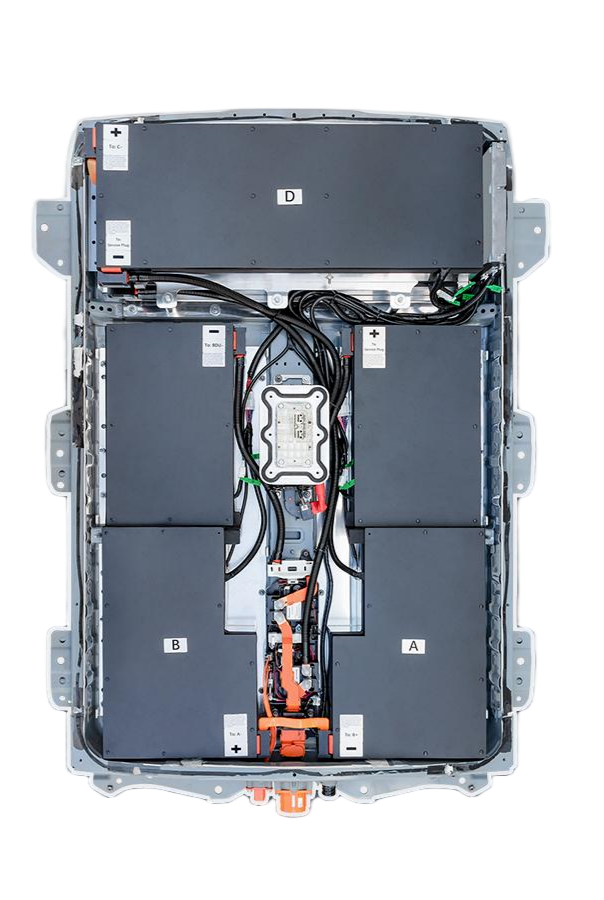
This is the most common culprit. Your battery pack consists of multiple modules. If one module is weak (degraded), it reaches its maximum voltage (4.2V) much faster than the others.
- The Illusion: The Battery Management System (BMS) sees that one cell is full and stops the charging process for the entire pack. The dashboard says “100%” because the highest cell is at max, but the other 90% of the pack might only be at 85% capacity.
- The Crash: As soon as you start driving and draw power, that weak cell’s voltage drops rapidly. The BMS instantly recalculates the total available energy based on this weak link, causing the range estimate to crash downward to match reality.
- The Fix: A cell balancing cycle. Charge to 100% and leave the car plugged in for 12–24 hours. This allows the BMS to bleed off excess charge from strong cells and let weaker ones catch up. Note: If the imbalance returns quickly, the cells are physically degraded.
2. Voltage Sag & Internal Resistance
As Lithium-Ion cells age, their internal resistance increases.
- The Physics: When you apply load (driving), high resistance causes the voltage to drop sharply (“voltage sag”).
- The Reaction: The BMS interprets this sudden voltage drop as the battery being nearly empty. To protect the aged cells from damage, it hides the remaining energy, drastically reducing the displayed range.
- The Symptom: You might see range return slightly if you stop and let the battery “rest” (voltage recovers), but it will plummet again under acceleration. This indicates advanced degradation.
3. Thermal Throttling (The Cold/Hot Shock)
If you charge in extreme temperatures, the BMS may limit usable capacity to protect the battery.
- Cold Weather: If you charge a frozen battery without pre-conditioning, the BMS locks out a portion of the energy to prevent lithium plating. Once the battery warms up through driving, some range may return.
- Hot Weather: If the battery overheated during charging, the BMS restricts output until it cools down.
- The Fix: Always pre-condition your car while still plugged in before driving in extreme weather.
Quick Fixes: Try These Before Panicking
If your range loss is sudden and new, try these steps to rule out temporary glitches:
- Perform a Deep Balance: Charge to 100% using a Level 2 charger. Once it hits 100%, leave it plugged in for another 6–12 hours. Do not unplug it. This forces the passive balancing system to work overtime to equalize cell voltages.
- Reset the BMS: Disconnect the 12V auxiliary battery (located in the frunk) for 15 minutes. Reconnect it. This clears temporary error codes and forces the BMS to relearn the battery’s characteristics. Warning: This may reset radio presets and window settings.
- Check Coolant Levels: Low coolant can cause localized hot spots, triggering thermal throttling. Ensure your coolant reservoir is at the correct level.
- Avoid Extreme Temperatures: If possible, charge in a garage or moderate climate to see if the range stabilizes.
The Hard Truth: When Fixes Don’t Work
If you have tried balancing and resetting, but your range still crashes immediately after charging, you are facing permanent chemical degradation.
- The Reality: No software reset can fix a cell that has physically lost its ability to hold energy.
- The “Weakest Link” Problem: If one module is dead, the entire pack is limited to that module’s capacity. Balancing might help for a day, but the weak cell will drag the pack down again immediately upon the next drive.
- The Danger: Continuing to drive with severe imbalance and high internal resistance can lead to total battery failure, isolation faults, or even thermal events.
The CNS BATTERY Solution: Eliminate the Problem Forever
If your battery is suffering from irreversible degradation, stop throwing money at temporary fixes. At CNS BATTERY, we don’t just patch the symptoms; we replace the root cause with a superior solution.
Why Upgrading Solves Post-Charge Range Loss
- Perfect Cell Matching: Our BMW i3 Series Battery upgrades are built with Grade-A cells matched to within millivolts. There are no “weak links” to cause false 100% readings or immediate range crashes.
- Low Internal Resistance: Our modern cells have significantly lower resistance than your original 10-year-old cells. This eliminates voltage sag, ensuring the range displayed is the range you actually get.
- Stable BMS Calibration: With healthy, uniform cells, the BMS can calculate range accurately. No more wild fluctuations or phantom drops.
- Double the Range: While solving your stability issues, you upgrade from a failing 60 Ah or 94 Ah pack to a 120 Ah equivalent, giving you 130+ miles of reliable, consistent range.
- Cost Efficiency: A dealership OEM replacement costs $18,000–$22,000 USD just to restore your original, problematic range. Our complete upgrade solutions typically range from $8,000 to $12,000 USD, offering double the performance for half the price.
Real Story: From “Ghost Miles” to “Rock Solid Range”
Meet Elena, a 2015 i3 owner. Her car would charge to 75 miles, but the moment she drove onto the highway, the range dropped to 40 miles. She tried balancing, resetting, and even replacing the 12V battery. Nothing worked. A dealer told her her pack was “unbalanced” and quoted $500 for a service that wouldn’t last.
Elena contacted CNS BATTERY. Our diagnostic showed severe cell deviation and high internal resistance. We installed a 120 Ah upgrade. “The difference is night and day,” Elena says. “I charge to 100%, unplug, and the car says 135 miles. I drive 20 miles, and it says 115 miles. No drops, no ghosts, just accurate, reliable power. It’s like having a brand new car.”
Stop Chasing Ghost Miles
BMW i3 battery range loss after charging is a clear signal that your battery pack is struggling. While simple balancing can help minor issues, persistent crashes indicate deep-seated degradation that cannot be fixed with software.
Don’t accept a car that lies to you about its range. Upgrade to a system that delivers honesty, stability, and incredible distance.
Is your BMW i3 losing range immediately after charging?
Stop guessing and start driving with confidence. Contact CNS BATTERY today for a professional diagnostic. We’ll determine if a simple balance will work or if it’s time for a 120 Ah upgrade that eliminates range anxiety forever.
👉 Get Your Range Stability Assessment
Frequently Asked Questions (FAQ)
1. Why does my BMW i3 range drop immediately after charging?
This is usually caused by cell imbalance or high internal resistance. The BMS stops charging when the weakest cell hits 100%, leaving the rest of the pack undercharged. When you drive, the weak cell voltage drops, forcing the BMS to recalculate and display the true (lower) range.
2. Can leaving my car plugged in fix the range drop?
Yes, sometimes. Leaving the car plugged in for 12–24 hours after reaching 100% allows the passive balancing system to equalize cell voltages. If the range stabilizes after this, the issue was temporary imbalance. If it returns quickly, your cells are physically degraded.
3. Is a BMS reset safe to perform myself?
Disconnecting the 12V battery is generally safe but will reset radio presets, clock, and window auto-functions. However, a reset will not fix physical cell degradation. It only clears temporary error logs.
4. How do I know if my battery is degraded vs. just unbalanced?
If balancing restores range for more than a few weeks, it was likely imbalance. If the range crashes again immediately after the next charge, or if your total range is consistently less than 60% of original, you likely have permanent cell degradation. A professional diagnostic measuring cell deviation is the only way to be sure.
5. Will upgrading my battery fix the inaccurate range display?
Absolutely. Our 120 Ah upgrades use perfectly matched cells with low resistance. This allows the BMS to calculate range accurately, eliminating the “phantom drop” effect entirely.
6. How much does it cost to fix severe range loss?
Balancing services cost $300–$600 but are often temporary. A dealership OEM replacement costs $18,000+. A CNS BATTERY upgrade typically ranges from $8,000 to $12,000 USD, providing a permanent fix with double the range and a comprehensive warranty.
7. Can cold weather cause this range drop?
Yes, cold batteries have higher resistance and reduced capacity. However, if the range does not recover after the battery warms up (10-15 miles of driving), the issue is likely degradation, not just temperature.