BMW i3 Battery Cell Failure: Replacement Cost & The Smart Upgrade Path
The warning light flashes on your dashboard: “Drivetrain Malfunction” or “Maximum Charge Level Reduced.” Your once-reliable BMW i3 now struggles to reach 40 miles on a charge. You take it to a shop, run a diagnostic, and hear the dreaded diagnosis: BMW i3 battery cell failure. One or more modules have died, dragging down the entire pack.
Immediately, two questions flood your mind: How much will this cost to fix? and Is my car now worthless?
You search online and find conflicting answers. Some say a simple cell swap costs a few hundred dollars; others warn of $20,000 replacement bills. The confusion is paralyzing. You don’t want to overpay for a temporary patch, but you also can’t afford to gamble on a solution that fails in six months.
At CNS BATTERY, we cut through the noise. We specialize in diagnosing and resolving i3 cell failures with transparency and precision. This guide breaks down the real replacement costs for 2026, exposes the hidden dangers of “cheap” cell repairs, and reveals why a full capacity upgrade is often the most financially sound decision for your long-term mobility.
Understanding Cell Failure: Why One Bad Apple Spoils the Bunch
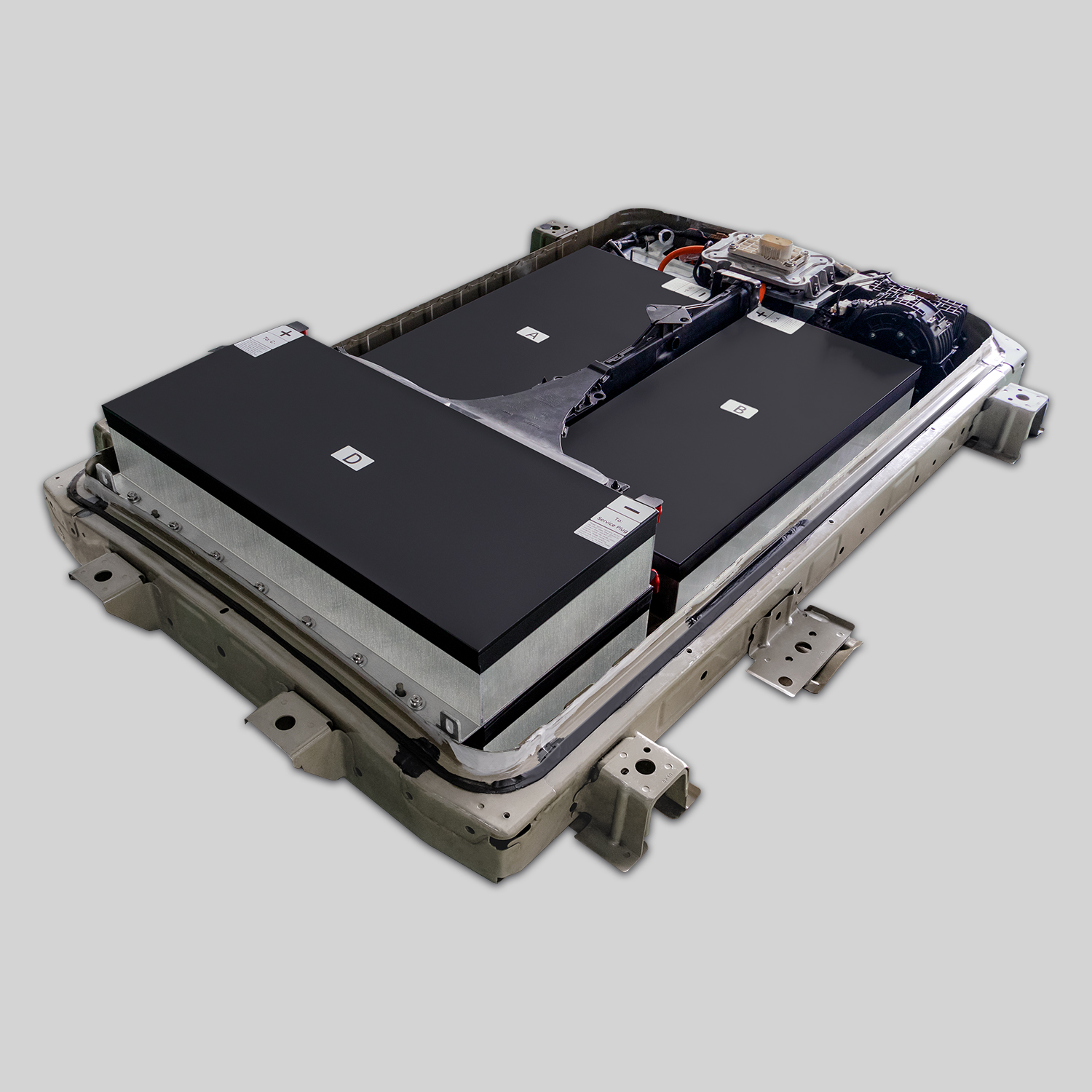
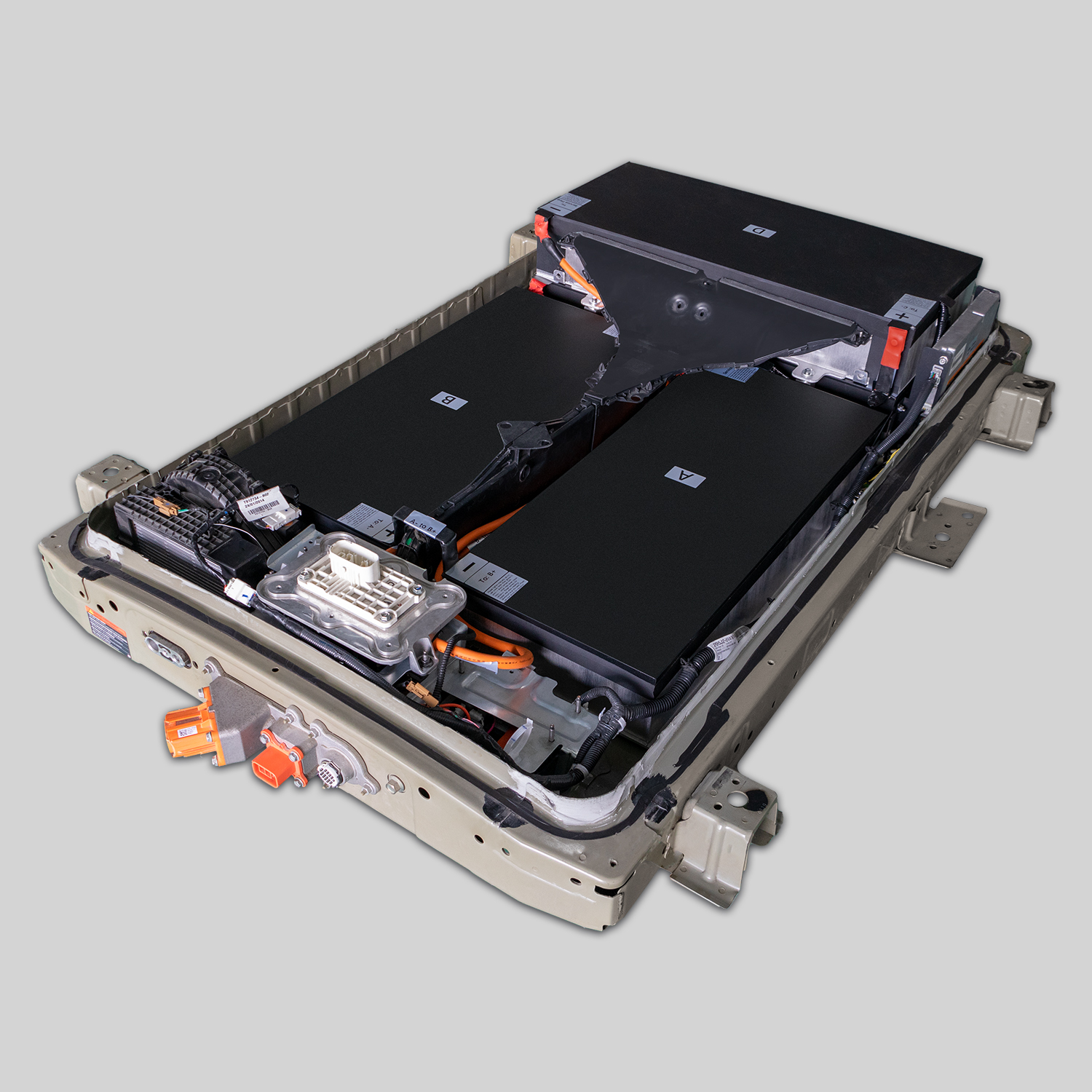
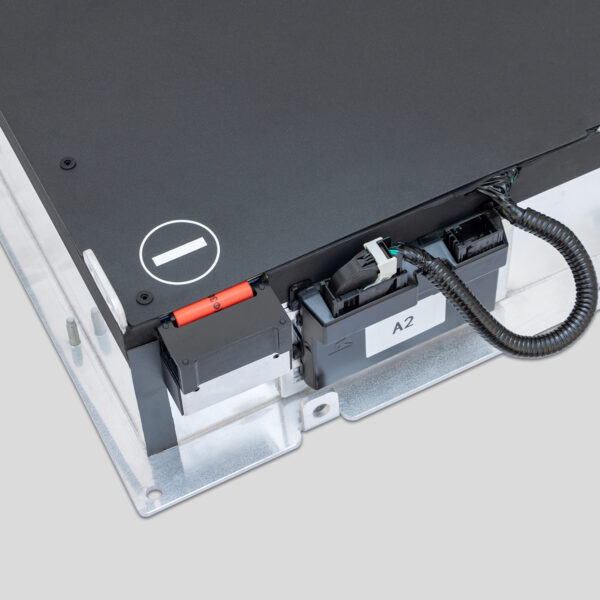
Your BMW i3 battery pack consists of multiple modules (groups of cells) connected in series. Think of it like a chain: the strength of the whole chain is determined by its weakest link.
When a single cell or module fails (due to internal short, degradation, or manufacturing defect), its voltage drops significantly below the others.
- The BMS Reaction: The Battery Management System (BMS) detects this “weak link.” To prevent the failed cell from over-discharging and catching fire, the BMS limits the entire pack’s usable capacity to match the failing module.
- The Result: Even if 95% of your battery is healthy, you lose access to that energy. Your range plummets, charging speeds slow down, and eventually, the car may refuse to drive entirely.
The Cost Breakdown: Repair vs. Replace vs. Upgrade
So, what are your actual options, and what do they cost?
Option 1: Individual Cell/Module Replacement (The “Patch”)
Some independent shops offer to replace only the failed module(s).
- Estimated Cost: $1,500 – $3,000 USD (depending on labor and parts availability).
- The Risk: This is often a false economy.
- Mismatched Cells: Finding a used module with the exact same internal resistance and age as your remaining pack is nearly impossible. Mismatched cells lead to rapid re-failure.
- Domino Effect: If one cell failed due to age, the others are likely close behind. You are patching a sinking ship.
- Labor Intensive: Opening the sealed pack requires specialized tools and resealing expertise. A poor seal leads to water damage later.
- Verdict: Only viable for very new packs with isolated manufacturing defects. For high-mileage i3s, it’s a temporary band-aid.
Option 2: Dealership OEM Replacement (The “Reset”)
Your local BMW dealer will offer a genuine factory replacement.
- Estimated Cost: $18,000 – $22,000 USD (parts + labor).
- The Reality: You pay a premium to get back the exact same technology that just failed you. If you had a 60 Ah pack, you get a new 60 Ah pack. Your range returns to ~80 miles, but you’ve spent more than the car’s market value.
- Verdict: Financially unjustifiable for most owners.
Option 3: CNS BATTERY Capacity Upgrade (The “Smart Fix”)
This is the path chosen by savvy owners. Instead of repairing the old or buying obsolete OEM, you upgrade to a modern, high-capacity pack.
- Estimated Cost: $8,000 – $12,000 USD (complete installation).
- The Benefit:
- Double the Range: Swap your failing 60 Ah or 94 Ah pack for a 120 Ah equivalent, giving you 130+ miles of real-world range.
- Modern Reliability: New Grade-A cells with lower internal resistance and better thermal stability.
- Perfect Balance: All cells are matched from the factory, eliminating the “weak link” issue forever.
- Warranty: Comprehensive coverage that dealerships rarely match for out-of-warranty vehicles.
- Verdict: The best value. You solve the failure, double your performance, and spend half of what the dealer charges.
The Hidden Costs of “Cheap” Repairs
Many owners are tempted by the low upfront cost of a single module swap. But consider the Total Cost of Ownership:
- Repeat Failures: If a second module fails in 6 months (highly likely in an aged pack), you pay another $2,000. Now you’re at $5,000 and still have limited range.
- Resale Value: A car with a patched, mixed-cell battery has almost zero resale value. A car with a documented CNS BATTERY 120 Ah upgrade often sells for a premium.
- Safety Risks: Improperly sealed packs or mismatched cells increase the risk of thermal events. Is saving $2,000 worth risking your safety?
Real Story: From “$2,500 Patch” to “$10,000 Solution”
Meet James, a 2015 i3 owner. His first module failed. A local shop quoted him $2,200 to swap it. He did it, saving money initially. Six months later, a second module failed. Then a third. He spent another $3,000 trying to keep up. Total spent: $5,200. Range: Still only 50 miles because the remaining old cells were weak.
Frustrated, James contacted CNS BATTERY. We explained that his pack was simply at the end of its life. We installed a 120 Ah upgrade for $10,500. “I wasted $5,000 chasing patches,” James admits. “If I had just done the upgrade first, I would have saved money in the long run AND gained 80 extra miles of range. Now my car feels brand new.”
Why CNS BATTERY Is the Superior Choice
When facing BMW i3 battery cell failure, you need a partner who prioritizes longevity over quick fixes.
- No Guesswork: We perform comprehensive diagnostics to confirm if a patch is even viable (rarely is it).
- Grade-A Quality: We never use salvage cells. Our packs are built from pristine, modern materials.
- Turnkey Service: We handle everything: removal, disposal of the old hazardous pack, installation, coding, and testing.
- Transparent Pricing: No hidden fees. The quote you get is the price you pay.
Stop Throwing Money at a Dying Battery
BMW i3 battery cell failure doesn’t mean your car is dead; it means it’s ready for an evolution. Don’t waste thousands on temporary patches or obsolete OEM replacements.
Invest in a solution that solves the problem permanently while transforming your driving experience. Double your range, halve your costs compared to the dealer, and drive with confidence again.
Has your BMW i3 suffered a cell failure?
Stop guessing and start upgrading. Contact CNS BATTERY today for a free diagnostic assessment. We’ll show you exactly why a 120 Ah upgrade is the most cost-effective path forward and get you back on the road with 130+ miles of range.
👉 Get Your Cell Failure Assessment & Upgrade Quote
Frequently Asked Questions (FAQ)
1. How much does it cost to replace a single failed cell module in a BMW i3?
Replacing a single module typically costs between $1,500 and $3,000 USD. However, this is often a temporary fix for older vehicles, as other cells are likely to fail soon due to age mismatch.
2. Is it worth repairing a single cell or replacing the whole battery?
For cars with high mileage or significant degradation, replacing the whole pack via an upgrade is far more cost-effective. Patching one cell in an old pack often leads to repeated failures, costing more in the long run while leaving you with limited range.
3. How much does a full battery replacement cost at a dealership?
Dealerships typically charge $18,000 to $22,000 USD for a genuine OEM replacement. This usually restores only your original factory range (e.g., 80 miles for a 60 Ah model).
4. What is the cost of a CNS BATTERY upgrade?
Our complete 120 Ah upgrade solutions typically range from $8,000 to $12,000 USD. This includes the new battery, professional installation, software coding, and disposal of the old pack. You get double the range for half the dealer price.
5. Can I drive my i3 with a failed cell?
Technically, the car may still drive, but with severely reduced range and power. However, it is not recommended. A failed cell can become unstable, posing a safety risk, and continued driving can damage the remaining healthy cells.
6. Will upgrading my battery affect my car’s warranty?
Most i3s experiencing cell failure are already outside their 8-year/100,000-mile high-voltage warranty. Even if some coverage remains, the cost of an OEM replacement is often prohibitive. CNS BATTERY provides its own comprehensive warranty on all upgrades.
7. How long does the replacement process take?
A full battery upgrade typically takes 4 to 6 hours. Most customers drop off their vehicle in the morning and pick it up the same afternoon with a completely transformed range.