BMW i3 Battery Sensor Calibration: DIY Guide or Dangerous Myth?
Your BMW i3’s dashboard is playing tricks on you. One moment, the “Guess-O-Meter” (GOM) promises a comfortable 75 miles of range. Ten minutes into your commute, after driving gently in moderate weather, it plummets to 40 miles. You plug in to charge, and the car stops at 88% claiming the battery is full, yet you know it should go to 100%.
Panic sets in. Is my battery dead? Do I need a $20,000 replacement?
Before you despair, you search online and find a glimmer of hope: “BMW i3 Battery Sensor Calibration.” Forums are filled with threads claiming you can reset the sensors yourself, recalibrate the State of Health (SOH), and magically restore lost miles with a few button presses or a cheap OBDII tool.
But is this a legitimate fix, or a dangerous myth that could leave you stranded?
At CNS BATTERY, we are experts in the i3 powertrain. We have diagnosed thousands of packs and seen owners waste months trying to “code” their way out of physical degradation. This guide separates fact from fiction, explains what sensor calibration actually does, when a DIY approach might work, and why, for most aging i3s, the only real solution is hardware, not software.
The Truth About “Sensor Calibration”
First, let’s clarify the terminology. Your BMW i3 doesn’t have a single “range sensor” that gets dirty and needs wiping. Instead, it has a complex Battery Management System (BMS) that estimates range based on:
- Voltage: The current electrical pressure of the cells.
- Current: How much energy is flowing in or out.
- Temperature: The heat of the pack.
- Historical Data: How the battery has performed in recent drives.
- State of Health (SOH): The maximum physical capacity of the cells compared to when they were new.
The Myth: Many believe you can “recalibrate” the SOH to make the computer think the battery is newer than it is.
The Reality: You cannot calibrate physics. If your cells have physically degraded and lost 30% of their capacity, no software reset will put that energy back. The BMS can be confused, but it cannot be lied to permanently.
When DIY Calibration Actually Works
There are specific scenarios where the BMS gets “lost,” and a DIY reset can help smooth out the range estimate. This is usually due to cell imbalance or interrupted charging cycles, not permanent damage.
Scenario A: The “Stuck” Estimate
If your GOM is wildly erratic (jumping 20 miles up and down) but your actual driving distance hasn’t changed much, the BMS might be relying on outdated historical data.
- The Fix: A soft reset by disconnecting the 12V auxiliary battery for 15-20 minutes can clear temporary memory errors.
- The Result: The car relearns your driving habits over the next few cycles. The range estimate becomes more stable, though the actual total miles available won’t increase if the battery is degraded.
Scenario B: Cell Imbalance
If one module is slightly lower than the others, the BMS might think the whole pack is empty when it’s not.
- The Fix: Leaving the car plugged into a Level 2 charger for 24-48 hours after it hits 100%. The i3 performs passive balancing during this time, equalizing the cells.
- The Result: This isn’t strictly “sensor calibration,” but it aligns the cell voltages, allowing the BMS to utilize the full available capacity. You might gain 5-10 miles of usable range.
Scenario C: Using Diagnostic Tools (Advanced DIY)
Tech-savvy owners use tools like BimmerLink or ISTA to force a rebalance or reset the “learning values.”
- The Risk: If done incorrectly, you can corrupt the BMS data, leading to incorrect charge limits or even preventing the car from starting.
- The Limit: These tools can only optimize what is physically there. They cannot create energy.
The Danger Zone: When Calibration Is a Waste of Time
Here is the hard truth that DIY guides often ignore: If your battery is chemically aged, calibration is futile.
How do you know if you are in the danger zone?
- SOH Below 75%: If a professional scan shows your State of Health is below 75%, your cells have physically lost capacity. No reset will fix this.
- High Cell Deviation: If the voltage difference between your highest and lowest cells is greater than 0.05V – 0.08V, you have a weak module. Balancing might help temporarily, but the deviation will return quickly because the cell is damaged.
- Charging Throttling: If your car refuses to fast charge or stops charging early due to “Temperature” or “Voltage” errors, this is a hardware protection mechanism, not a sensor glitch.
Trying to “calibrate” a dying battery is like resetting the odometer on a car with a blown engine. The numbers might look cleaner for a moment, but the performance won’t improve, and you risk ignoring a critical safety issue.
The CNS BATTERY Solution: Hardware Over Software Hacks
If you’ve tried the 12V disconnect, the overnight balance, and even the diagnostic resets, but your range is still stuck at 40-50 miles, stop wasting time on software. The problem is physical.
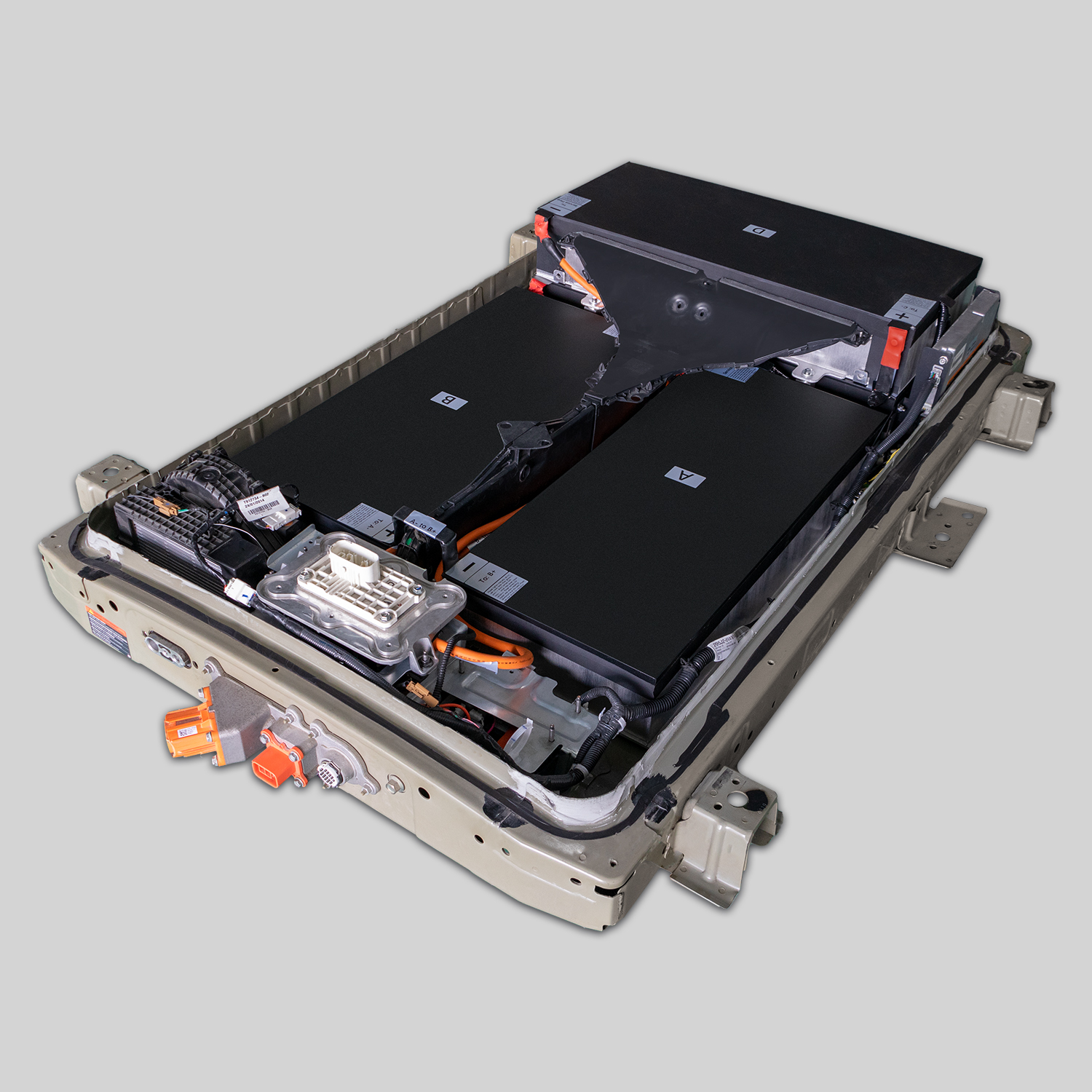
At CNS BATTERY, we don’t offer magic software patches; we offer physical transformations. We replace your degraded, un-calibratable battery with a brand-new, high-capacity unit that renders the old sensor worries obsolete.
Why Upgrade Instead of Calibrate?
- True Capacity Restoration: Unlike calibration which only fixes the display, our 120 Ah upgrade physically doubles your energy storage, giving you 130+ miles of real range.
- Perfect Factory Balance: Our packs come pre-balanced from the factory with near-zero cell deviation. Your BMS will read perfect data immediately—no DIY hacks needed.
- Modern Sensor Integration: Our batteries communicate seamlessly with your i3’s existing sensors, providing accurate, stable range estimates from day one.
- Cost Efficiency: Why spend money on tools, chargers, and time trying to squeeze 5 miles out of a dead pack? Our complete solutions typically range from $8,000 to $12,000 USD, which is half the cost of a dealership OEM replacement and provides double the performance.
- Permanent Fix: Calibration is temporary. A new battery is a permanent solution for another decade of driving.
Real Story: From “Reset Junkie” to “Range Confident”
Meet David, a 2015 i3 owner. For six months, he tried every DIY calibration trick in the book. He disconnected his 12V battery weekly, bought an expensive OBDII tool, and left his car plugged in for days. His range would bump up to 60 miles for a week, then crash back to 40. He was exhausted and frustrated.
He finally contacted CNS BATTERY for a professional diagnostic. Our scan revealed his SOH was 62% with permanent cell damage. “No amount of calibration will fix this,” we told him. David opted for our 120 Ah upgrade. Two days later, he was driving 135 miles with a rock-solid range estimate. “I wasted so much time trying to hack my old battery,” David admits. “CNS BATTERY didn’t just calibrate the sensors; they gave me a whole new car experience.”
Stop Guessing, Start Driving
BMW i3 battery sensor calibration has its place for minor glitches and imbalance issues. But it is not a cure-all for degradation. If your range anxiety is real and persistent, don’t let software myths keep you stuck.
Take control of your vehicle’s future. Replace the aging hardware with a solution that delivers accuracy, reliability, and incredible range.
Is your BMW i3’s range estimate unreliable or consistently low?
Stop guessing with DIY resets. Contact CNS BATTERY today for a professional diagnostic. We’ll tell you honestly if a simple balance will help or if it’s time for a game-changing battery upgrade that solves the problem forever.
👉 Get Your Expert Diagnostic & Quote
Frequently Asked Questions (FAQ)
1. Can I really calibrate my BMW i3 battery myself?
You can perform a soft reset (disconnecting the 12V battery) or encourage cell balancing (leaving it plugged in at 100%), which can stabilize the range estimate. However, you cannot “calibrate” the physical capacity of the battery. If the cells are degraded, software cannot restore lost energy.
2. Will disconnecting the 12V battery fix my low range?
It might fix an erratic range display caused by confused software, but it will not increase your actual driving range if the high-voltage battery is degraded. It simply clears temporary error memory.
3. What tools do I need for DIY calibration?
For basic resets, you just need a wrench for the 12V terminals. For advanced balancing or reading SOH, you need an OBDII adapter and software like BimmerLink or ISTA. However, using these incorrectly can cause system errors.
4. How do I know if my battery needs calibration or replacement?
If your range fluctuates wildly but averages out normally, it might need calibration/balancing. If your range is consistently low (e.g., <50 miles for a 60Ah model) and doesn’t improve after balancing, your battery likely has low State of Health (SOH) and needs replacement. A professional scan is the only way to know for sure.
5. Can a calibration fix a “Maximum Charge Level Reduced” warning?
Only if the warning is caused by temporary cell imbalance. If the warning is due to permanent cell degradation or isolation faults, calibration will not remove it. In these cases, a battery upgrade from CNS BATTERY is the required solution.
6. Is it safe to use third-party calibration tools?
Using reputable tools like BimmerLink is generally safe for reading data. However, forcing writes or resets without understanding the BMS logic can corrupt your battery data, potentially leaving the car unable to charge or start. Proceed with caution.
7. If calibration doesn’t work, how much does a replacement cost?
If your battery is beyond calibration, CNS BATTERY offers upgrade replacements typically ranging from $8,000 to $12,000 USD. This includes a new, perfectly balanced battery that eliminates the need for constant calibration attempts.