BMW i3 Battery Storage Humidity: The Silent Killer You’re Ignoring
You’ve parked your BMW i3 in the garage for the winter, plugged it in, and set the charge limit to 50%. You think you’ve done everything right to preserve your battery. But while you were watching the State of Charge (SOC), did you forget to check the air around it?
High humidity is the silent, invisible enemy of electric vehicle longevity. While temperature gets all the attention, BMW i3 battery storage humidity levels that are too high can trigger corrosion, electrical shorts, and irreversible damage to your high-voltage system long before you even turn the key again.
At CNS BATTERY, we’ve seen batteries fail not because of age, but because of neglectful storage conditions. Whether you are storing a spare pack or parking your i3 for months, understanding the ideal moisture levels is critical. This guide reveals the exact humidity targets you need, the dangers of ignoring them, and why a damaged pack might need more than just a dry room to recover.
The Sweet Spot: What is the Ideal Humidity Level?
Lithium-Ion batteries, like the ones powering your BMW i3, are sensitive to their environment. The electrolyte inside the cells and the electronic components of the Battery Management System (BMS) can be compromised by excessive moisture.
The Golden Rule: 40% to 60% Relative Humidity
For long-term storage, the ideal relative humidity (RH) level for your BMW i3 and its battery components is between 40% and 60%.
- Below 40%: Generally safe for the electronics, but extremely dry air can sometimes lead to static electricity buildup, which poses a minor risk during handling.
- Above 60%: This is the danger zone. Once humidity exceeds 60%, the risk of condensation forming on cold metal surfaces increases dramatically.
- Above 80%: Critical failure territory. Prolonged exposure to this level invites rapid corrosion of busbars, connectors, and the battery casing.
If your garage or storage unit consistently reads above 70% RH, your i3’s high-voltage system is under attack every day it sits there.
The Hidden Dangers of High Humidity Storage
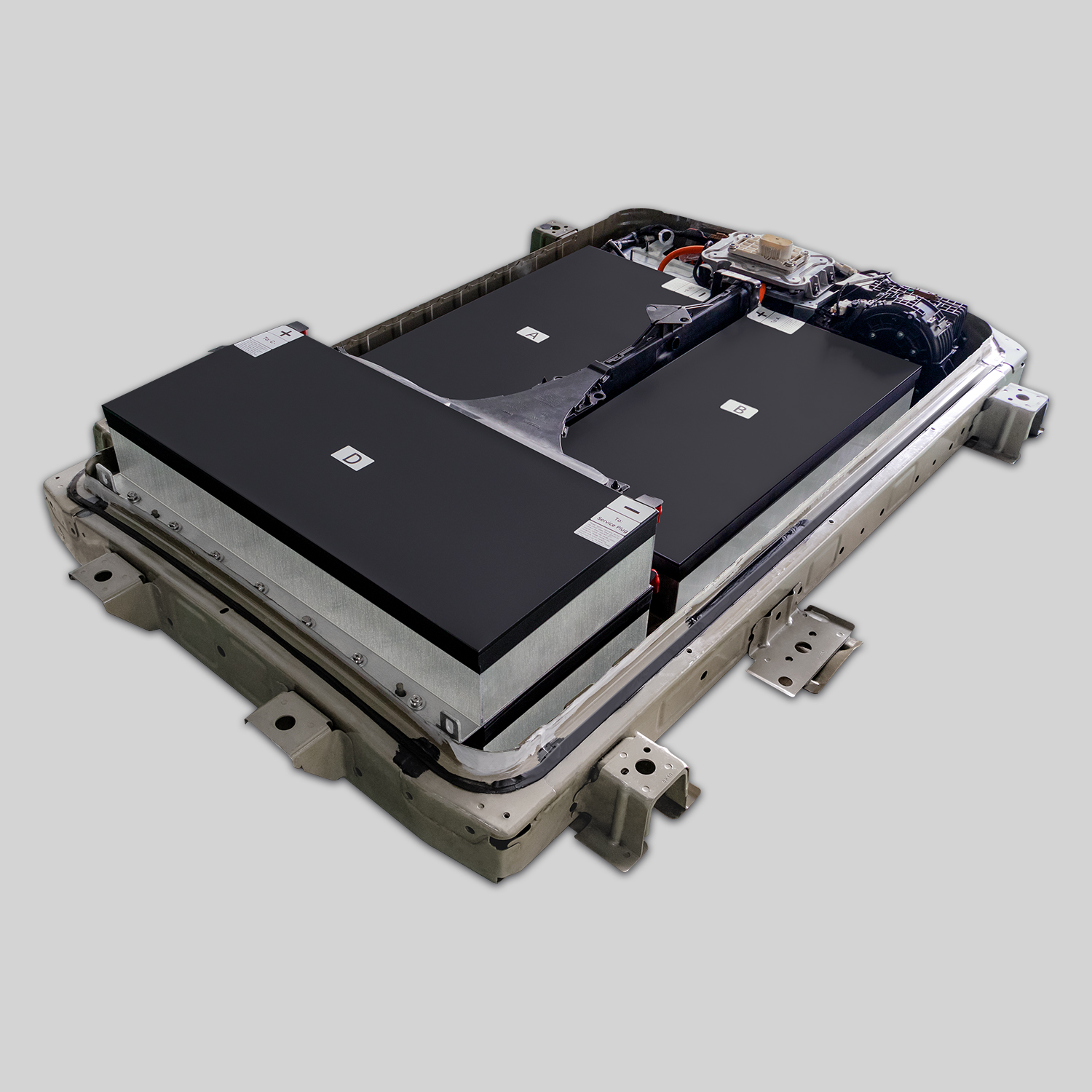
Why does moisture matter so much for a sealed battery pack? While the cells themselves are enclosed, the external connections, cooling lines, and the BMS circuitry are vulnerable.
1. Corrosion of High-Voltage Connectors
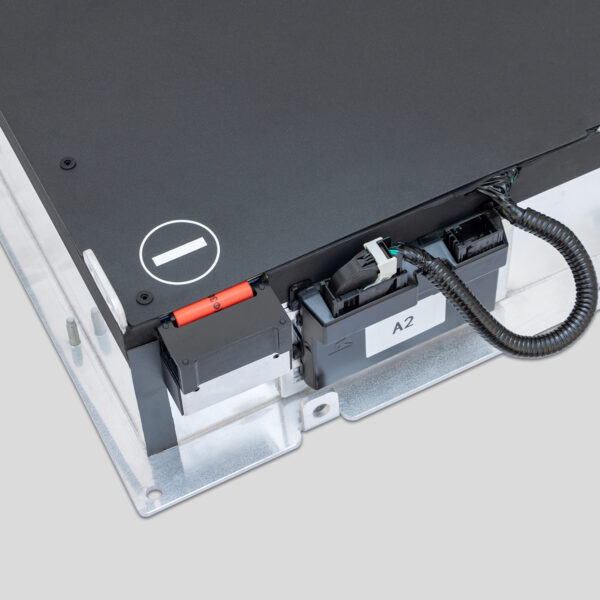
The orange high-voltage cables and their connectors rely on clean metal-to-metal contact. High humidity accelerates oxidation (rust) on these terminals. Over time, this increases electrical resistance, leading to overheating during charging or driving, and eventually triggering “Drivetrain Malfunction” errors.
2. Isolation Faults and Leaks
The BMW i3 battery pack is designed to be IP67 rated (dust and water-resistant), but seals degrade over time. In a high-humidity environment, microscopic condensation can form inside the pack if the breather valves are compromised. This leads to isolation faults, where the car detects electricity leaking to the chassis. The result? The car refuses to start or charge.
3. BMS Circuit Board Failure
The brain of your battery is a complex circuit board. Humidity can cause “creep corrosion” on these boards, creating tiny conductive paths that short-circuit sensors. This can cause the BMS to read incorrect cell voltages, leading to premature shutdowns or inaccurate range estimates.
How to Protect Your BMW i3 During Storage
Don’t let your garage become a greenhouse for corrosion. Follow these steps to ensure your i3 survives storage with its battery health intact.
- Monitor the Environment: Place a simple digital hygrometer in your garage. If it consistently reads above 60%, you need to take action.
- Use a Dehumidifier: For seasonal storage, a small electric dehumidifier is a cheap insurance policy. Keeping the air dry prevents condensation from forming on the cold underbody of the car where the battery lives.
- Avoid Damp Floors: If possible, park on a sealed concrete floor or use rubber mats. Damp earth floors in basements can raise local humidity significantly around the vehicle.
- Check Seals: Before storing, inspect the underbody shields and battery casing for any visible cracks or damage that could let moist air in.
- Maintain Charge: Keep the battery between 40% and 60% SOC. A fully charged or fully depleted battery is more susceptible to chemical stress, which humidity can exacerbate.
When Humidity Damage is Already Done
Sometimes, despite your best efforts, the damage is already done. If you retrieve your i3 after a humid winter and find error codes related to “Isolation Resistance” or “Cell Monitoring,” simply moving the car to a dry room won’t fix it. Corrosion is permanent, and internal condensation can ruin cells.
This is where CNS BATTERY steps in. We specialize in diagnosing and replacing battery packs that have succumbed to environmental stress. If your original pack has suffered from humidity-induced corrosion or isolation failures, replacing it with a modern, sealed BMW i3 Series Battery from us is often more cost-effective than trying to repair corroded components.
Why Choose CNS BATTERY for Replacement?
- Advanced Sealing Technology: Our replacement packs utilize modern sealing techniques and materials that offer superior resistance to moisture and corrosion compared to older OEM units.
- Fresh Components: Unlike repairing a corroded pack, a new CNS BATTERY unit gives you fresh busbars, connectors, and BMS boards, eliminating the risk of hidden humidity damage.
- Cost-Effective Solution: Avoid the dealership’s steep diagnosis and repair bills. Our complete replacements typically range from $8,000 to $12,000 USD, providing a reliable, long-term fix.
- Capacity Upgrades: Turn a negative situation into an upgrade. Replace your humidity-damaged 60 Ah pack with a robust 94 Ah or 120 Ah equivalent, gaining range while solving the failure.
- Warranty Peace of Mind: Our batteries come with a comprehensive warranty, protecting you against future defects, something a repaired old pack cannot offer.
Don’t Let Moisture Ruin Your EV Investment
Storage is about preservation, but without controlling BMW i3 battery storage humidity, you might be accidentally accelerating your battery’s death. Take control of your garage environment today to ensure your i3 wakes up ready to drive, not ready for the scrapyard.
Is your BMW i3 showing signs of moisture damage or isolation faults?
Don’t gamble with high-voltage safety. Contact CNS BATTERY today for a professional assessment. Whether you need advice on storage or a complete battery replacement to restore your vehicle, our experts are here to help you drive with confidence.
👉 Contact Us for a Free Consultation
Frequently Asked Questions (FAQ)
1. What is the ideal humidity level for storing a BMW i3 battery?
The ideal relative humidity (RH) is between 40% and 60%. Levels consistently above 70% pose a significant risk of corrosion and electrical isolation faults.
2. Can high humidity cause my i3 to stop charging?
Yes. High humidity can lead to condensation inside the battery pack or on high-voltage connectors, causing isolation faults. When the car detects a potential leak or short due to moisture, it will disable charging and driving for safety.
3. How do I lower the humidity in my garage?
The most effective method is using an electric dehumidifier. Additionally, ensuring good ventilation, sealing cracks in the foundation, and avoiding drying wet clothes or storing damp items in the garage can help maintain optimal levels.
4. My i3 has been stored in a humid environment. How do I know if the battery is damaged?
Look for warning lights such as “Drivetrain Malfunction” or specific messages about “Reduced Charging Power.” A professional diagnostic scan checking for isolation resistance values is the only way to confirm internal moisture damage.
5. Can I fix a humidity-damaged battery myself?
No. High-voltage systems are dangerous, and internal corrosion often requires specialized equipment to detect and repair. In many cases, the damage is irreversible, making a battery replacement the safest and most reliable option.
6. How much does it cost to replace a humidity-damaged battery?
While dealerships may charge upwards of $18,000 USD, CNS BATTERY offers high-quality, moisture-resistant replacement packs typically between $8,000 and $12,000 USD. This includes modern cells that are less prone to the issues that plagued older units.
7. Should I store my i3 with a full battery?
No. For long-term storage, it is best to keep the State of Charge (SOC) between 40% and 60%. Storing at 100% or 0% for extended periods can accelerate degradation, especially if combined with poor environmental conditions like high humidity.