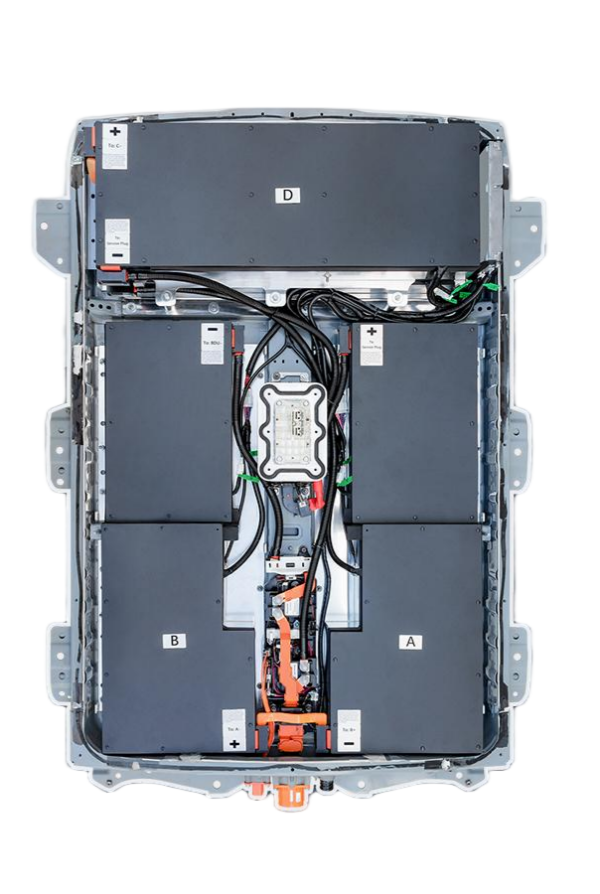
Module Mastery: The Straightforward Path to Upgrading Your Nissan Leaf’s Battery Capacity
Is Your Leaf’s Range Holding You Back?
You love your Nissan Leaf—the instant torque, the quiet ride, the satisfaction of skipping gas stations—but lately, that nagging range anxiety has returned. What if you could transform your driving experience without replacing the entire battery pack? Many Leaf owners don’t realize that strategic module upgrades can dramatically enhance performance while preserving your vehicle’s existing systems.
Upgrading individual battery modules rather than the entire pack offers a cost-effective middle ground between living with degraded performance and investing in a complete replacement. But where do you begin, and how can you ensure compatibility and safety throughout the process?
Why Module Upgrades Make Sense for Today’s Leaf Owners
The Smart Economics of Selective Upgrades
Full battery pack replacements often cost $8,000-$16,000 depending on capacity and source. For many Leaf owners with partial degradation or those seeking moderate range improvements, this represents significant overkill. Module-by-module upgrades allow you to:
- Address specific weak sections of your existing pack
- Incrementally increase capacity without massive upfront investment
- Preserve functional components of your current system
- Achieve 20-40% range improvements at a fraction of full replacement costs
Compatibility: The Foundation of Successful Module Upgrades
Not all battery modules play well together. Mixing incompatible cells creates imbalance that accelerates degradation and potentially creates safety hazards. This is where precision engineering matters—modules must match in:
- Voltage characteristics and tolerance ranges
- Physical dimensions and mounting specifications
- Communication protocols with the vehicle’s BMS
- Thermal expansion properties and cooling requirements
CNS BATTERY’s module upgrade system addresses these challenges through meticulous engineering that ensures seamless integration with your specific Leaf generation’s architecture.
Preparing for Your Module Upgrade: Essential First Steps
Vehicle Compatibility Verification
Before purchasing any replacement modules, verify compatibility with your specific Leaf model. The three generations require different approaches:
- ZE0 models (2011-2017) use a distinct module configuration and spacing
- AZE0 models (2018-2022) feature improved thermal management requiring specific module designs
- ZE1 models (2023+) incorporate updated communication protocols
Provide your VIN number to CNS specialists who can confirm exact module specifications for your vehicle, preventing costly compatibility errors.
Safety Equipment and Workspace Preparation
Battery work demands respect for electrical safety. Gather these essentials before beginning:
- Insulated tools rated for high-voltage applications (minimum 1000V rating)
- Class 0 electrical gloves with leather protectors
- Safety glasses and non-conductive work surface
- Fire extinguisher rated for electrical/chemical fires (Class ABC or BC)
- Well-ventilated workspace away from flammable materials
These precautions aren’t optional—they’re fundamental to preventing serious injury or damage.
The CNS Module Upgrade Process: Step-by-Step
Step 1: System Depowering and Diagnostic Assessment
Begin by completely depowering your Leaf’s high-voltage system:
- Disconnect the 12V auxiliary battery
- Wait 15 minutes for capacitors to discharge
- Verify zero voltage at service disconnect points using a CAT III multimeter
- Conduct a full pack diagnostic to identify weak or failing modules
This diagnostic step is crucial—in many cases, only 20-30% of modules actually need replacement, allowing you to maximize your investment efficiency.
Step 2: Module Removal with Precision Technique
Unlike complete pack replacements, module upgrades require surgical precision:
- Remove battery shielding and cooling components
- Document all harness connections before disconnecting
- Release module mounting hardware following the manufacturer’s torque sequence
- Carefully lift modules while supporting their full weight (each weighs 15-20kg)
CNS provides model-specific removal guides that prevent damage to adjacent components—a common issue with generic instructions.
Step 3: New Module Integration and Calibration
This is where quality matters most. CNS modules feature:
- Pre-matched cell groups that maintain balance during charging/discharging
- OEM-identical connector designs that eliminate adapter requirements
- Integrated temperature sensors that communicate with your Leaf’s thermal management system
During installation:
- Position new modules with exact alignment to mounting points
- Torque connections to factory specifications (typically 15-18 Nm)
- Reconnect all harnesses following the color-coded documentation
- Reinstall cooling plates with fresh thermal interface material
Step 4: System Recalibration and Validation
After physical installation, proper electronic integration is critical:
- Reconnect the 12V system and wait 5 minutes
- Engage the high-voltage service disconnect
- Perform BMS recalibration using Nissan Consult III or equivalent software
- Conduct a controlled initial charge cycle while monitoring cell balance
CNS provides remote support during this critical phase, with technicians available via video call to guide you through any integration challenges.
Real Results: What Module Upgrades Deliver
Mark T. from California upgraded half the modules in his 2015 Leaf ZE0:
“I replaced just 12 of the 24 modules with CNS’s high-capacity versions. The process took a weekend with my neighbor who’s an auto technician. The difference is remarkable—my range increased from 75 miles to 115 miles on a full charge. The key was their precise cell matching; there are no imbalance warnings or uneven wear patterns after 8 months of daily use.”
Performance Improvements You Can Expect
- Range enhancement: 25-40% improvement depending on upgrade ratio
- Power delivery: Restored acceleration performance as balanced modules deliver consistent voltage
- Charging efficiency: Reduced charging times due to improved cell acceptance rates
- Longevity: New modules often outlast the remaining original components, creating a progressive upgrade path
Why Quality Modules Make All the Difference
Many budget module options use mismatched or recycled cells that create more problems than they solve. CNS modules incorporate:
- Brand-new CATL cells with consistent manufacturing batches
- Rigorous pre-shipment testing including thermal cycling and load testing
- Integrated protection circuits that prevent overcharge/discharge at the module level
- Enhanced thermal interfaces that improve heat transfer by 30% compared to aging modules
This quality focus prevents the common pitfalls of module upgrades: cell imbalance, premature failure of new modules due to stress from old neighbors, and BMS communication errors.
Making Your Module Upgrade Decision
Module upgrades aren’t the right solution for every Leaf owner. Consider this approach when:
- Your current pack has partial degradation (some modules failing while others remain functional)
- You want to incrementally improve capacity without a massive investment
- Your vehicle has significant remaining life and value
- You possess or can access moderate technical skills or professional installation help
For completely failed packs or those seeking maximum range improvement, a complete pack replacement may offer better long-term value.
Your Path to a More Capable Leaf
Don’t let battery limitations define your electric driving experience. Strategic module upgrades can breathe new life into your Nissan Leaf while preserving your financial investment.
Ready to explore your specific upgrade options? Our Leaf battery specialists can analyze your vehicle’s current condition, driving patterns, and goals to recommend the optimal module configuration. Every consultation includes a complimentary compatibility verification and detailed installation guidance tailored to your technical comfort level.
Discover Your Custom Module Upgrade Solution Today
Frequently Asked Questions: Nissan Leaf Module Upgrades
Can I upgrade just some modules while keeping others original?
Yes, but only with precisely matched replacement modules like those from CNS. Their engineering team ensures new modules have identical voltage curves, internal resistance, and temperature coefficients to work harmoniously with your remaining original modules. Randomly mixing modules from different sources creates dangerous imbalances.
How many modules do I need to replace to see meaningful range improvement?
This depends on your Leaf generation and current pack condition. For ZE0 models (24kWh packs), replacing 8-12 modules typically yields 25-30% range improvement. For AZE0/ZE1 models with larger packs, replacing 12-16 modules often delivers similar percentage gains. CNS specialists can calculate the optimal number based on your specific goals and budget.
Will module upgrades void my vehicle warranty?
Module upgrades typically don’t affect your vehicle’s remaining warranty when performed correctly. CNS modules are designed as direct replacements that maintain all OEM communication protocols and safety systems. For vehicles under warranty, we recommend consulting with your dealer first or having the work performed by a certified technician.
How long does a partial module upgrade installation take?
A skilled technician can typically complete a partial module upgrade in 4-6 hours. DIY enthusiasts with appropriate experience and tools should allocate a full weekend. CNS provides comprehensive video tutorials specific to your Leaf generation, plus live technical support during the installation process to prevent costly mistakes.
What happens if I encounter BMS errors after installation?
BMS communication issues are the most common challenge after module upgrades. CNS includes complimentary remote programming support with every module purchase. Their technicians can connect remotely to your diagnostic equipment and guide you through the recalibration process specific to your vehicle’s firmware version, typically resolving integration issues within 30 minutes.