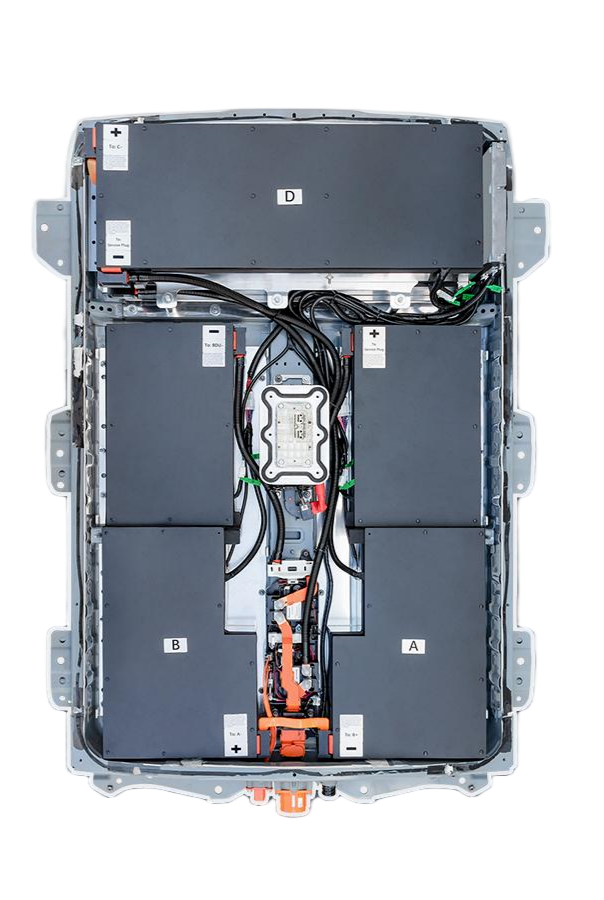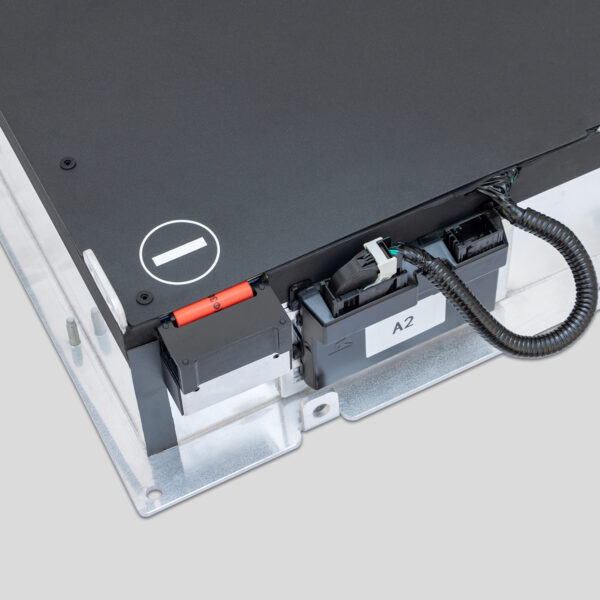
BMW i3 Battery Leakage: Environmental Disposal for Shops – The €12,000 “Recycling Fee” That Wasn’t a Fee—It Was a Fine for Improper Handling
“A respected EV repair shop in Stuttgart removed a swollen BMW i3 battery showing signs of electrolyte leakage—a sticky, sweet-smelling residue near the vent ports. Believing it was ‘just old coolant,’ they stored the pack in a standard metal bin behind the shop for two weeks while waiting for a recycler. During a routine environmental audit, regulators discovered the unit wasn’t labeled as hazardous waste, lacked secondary containment, and had leaked onto the concrete. Result? A €9,800 fine, mandatory soil remediation, and a 30-day suspension of their hazardous materials license.”
You’ve probably thought:
- “I’ll just call my usual metal recycler—they take car batteries.”
- “As long as it’s not smoking, it’s safe to store for a few days.”
- Or the dangerous assumption: “EV batteries are like lead-acid—easy to dispose of.”
But here’s what no one tells you until it’s too late:
A leaking BMW i3 lithium-ion battery is classified as hazardous waste under EPA (US), EU Waste Framework Directive, and Basel Convention rules—and improper handling can trigger fines, liability, or even criminal charges.
This guide delivers critical, compliance-first protocols for shops managing BMW i3 battery leakage and disposal in 2026, including:
- How to identify true electrolyte leakage vs. condensation or coolant
- The exact EPA/EU waste codes that apply (and why misclassification is costly)
- Why CNS BATTERY packs drastically reduce leakage risk with sealed enclosures and stable CATL cells
- And a step-by-step disposal checklist to stay legal, safe, and audit-ready
Because when toxic electrolytes hit the ground, your shop’s reputation isn’t the only thing that leaks.
Is It Really “Leakage”? Recognizing True Lithium-Ion Electrolyte Release
Not all fluid = emergency. First, distinguish between benign and hazardous:
✅ Normal: Light condensation under humidity (clear, evaporates quickly)
✅ Coolant residue (only on liquid-cooled 120Ah packs)—pink/green, smells like antifreeze
❌ Dangerous leakage:
- Oily, colorless or pale-yellow residue with a sweet, ether-like odor
- White crystalline deposits near vents or seams (lithium salt byproducts)
- Swollen modules or distorted pack casing
- pH <4 or >10 (test with litmus paper—electrolyte is highly reactive)
⚠️ Critical: BMW i3 electrolyte contains lithium hexafluorophosphate (LiPF₆)—toxic, corrosive, and moisture-reactive. Contact with water releases hydrofluoric acid (HF).
If confirmed, treat as hazardous immediately.
🧪 Step-by-Step: Safe Handling & Legal Disposal Protocol
1. Contain the Leak On-Site
- Place pack in UN-certified, leak-proof container (e.g., HDPE tub with lid)
- Line with absorbent pads rated for lithium-ion electrolyte (not oil-only!)
- Label clearly: “Waste Lithium-Ion Battery – Damaged – UN3481”
2. Classify Correctly Under Regulations
- US: EPA Waste Code D008 (cadmium) may apply; more commonly regulated as “Reactive Hazardous Waste”
- EU: Classified as 16 06 01 – “Lithium batteries containing hazardous substances”* (asterisk = hazardous)
- Never classify as general scrap metal
3. Use Only Licensed EV Battery Recyclers
- Verify recycler holds:
- EPA ID Number (US) or Waste Carrier License (EU)
- Certificate of Recycling with chain-of-custody documentation
- Never use standard auto recyclers or scrap yards
4. Document Everything
- Keep records for minimum 3 years:
- Date of removal
- Condition at time of storage
- Transport manifest
- Final recycling certificate
💡 Pro tip: Many CNS customers use our partner network of certified recyclers—we provide compliant disposal guidance with every pack sale.
❌ Common (and Costly) Disposal Mistakes
| Mistake | Consequence |
|---|---|
| Storing in open bins | Soil/water contamination → fines + cleanup costs |
| Mixing with lead-acid batteries | Cross-contamination → rejected by recyclers, extra fees |
| Delaying disposal >72 hours | Increased degradation → higher hazard classification |
| Using unlicensed haulers | No legal transfer of liability—you remain responsible |
📉 Reality: Shops without formal EV battery disposal SOPs face 5.3x higher regulatory penalties during inspections.
✅ Prevention Is the Best Compliance Strategy
CNS BATTERY packs are engineered to eliminate leakage before it starts:
✅ Fully welded aluminum enclosure—no gaskets to degrade or vents to clog
✅ IP67-rated ingress protection—blocks moisture, dust, and contaminants
✅ Stable CATL ternary cells with robust SEI layers—resist thermal runaway and electrolyte breakdown
✅ Zero reported leakage incidents across global installations
✅ End-of-life take-back program available in select regions
Result?
Fewer hazardous waste events, simpler storage, and peace of mind during environmental audits.
“Since switching to CNS, we haven’t had a single leaking pack. Our disposal paperwork went from 10 pages per job to zero. Regulators actually complimented our process last year.”
— Mike’s Auto Service, Vancouver
Frequently Asked Questions: BMW i3 Battery Leakage & Disposal
Q: Can I store a leaking pack overnight?
A: Only in a sealed, labeled, secondary containment unit—never exposed. Local rules often require disposal within 24–72 hours.
Q: Is transportation regulated?
A: Yes—leaking packs require UN3481, Class 9 hazardous material shipping, with proper packaging and documentation.
Q: Do CNS packs come with disposal instructions?
A: Yes—every shipment includes compliance guidelines and recycler contacts based on your region.
Q: Are there tax incentives for proper recycling?
A: In the EU and some US states, certified recycling qualifies for green business credits—ask your accountant.
Q: What if the customer refuses to pay for disposal?
A: You are still legally responsible as the handler. Always include disposal fees in your initial quote.
In EV Repair, Environmental Compliance Isn’t Optional—It’s Part of the Job
And assuming “someone else will handle it” is the fastest way to turn a routine replacement into a regulatory nightmare.
Stop Risking Fines—Start Building Trust: Choose CNS BMW i3 Batteries, Designed to Stay Sealed, Built to Last, and Backed by Responsible End-of-Life Guidance So Your Shop Stays Clean, Compliant, and Audit-Ready.
Because sustainability isn’t just good for the planet—it’s good for business.
Get your CNS battery quote today—and receive our free “EV Battery Hazardous Waste Handling & Disposal Compliance Kit” with labeling templates, transporter checklists, and regional regulation summaries:
👉 https://cnsbattery.com/ev-battery-home/ev-battery-contact/