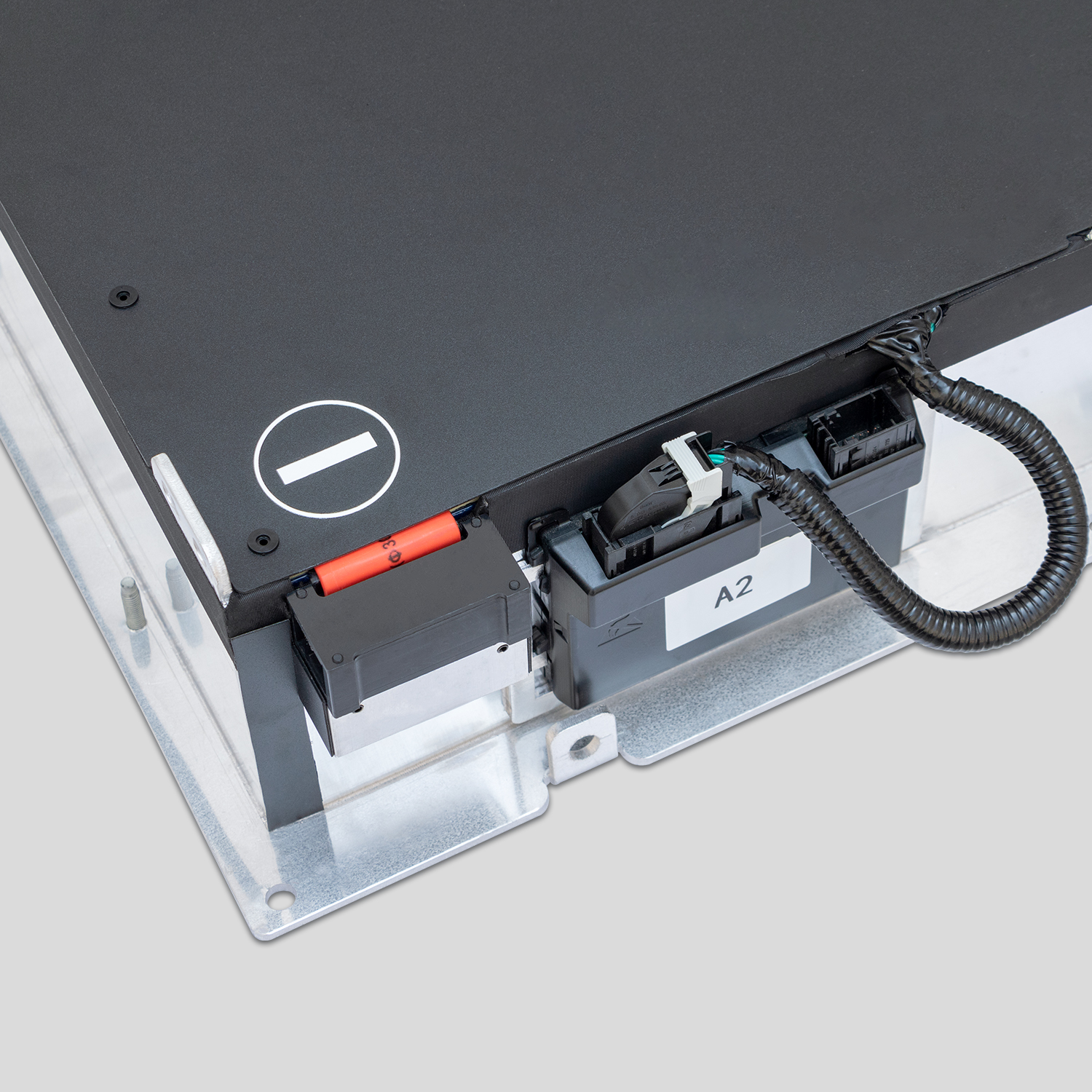
BMW i3 Battery Leak Repair: Professional Techniques – The Invisible Threat That Turns “Working” Packs Into Fire Hazards
“A technician in Chicago installed a used i3 battery that passed all voltage tests. Two weeks later, the owner noticed a sweet-smelling puddle under the car. It wasn’t coolant—it was ethylene glycol from inside the pack, leaking through a hairline crack in a corroded cooling plate. Within days, the fluid bridged HV terminals, causing intermittent insulation faults. By the time DTC 930740 appeared, conductive residue had already carbon-tracked across the BMS board. Total loss: $8,500. All because no one checked for internal leaks before install.”
You see a clean exterior.
No error codes.
Full range on the dash.
But if your i3 traction battery has even a minor internal leak, you’re not restoring mobility—you’re installing a slow-burning hazard.
Unlike combustion engines, EV battery leaks aren’t just about fluid loss—they create conductive pathways between high-voltage components, leading to short circuits, thermal runaway, or catastrophic failure.
This guide reveals the field-proven techniques top EV shops use in 2026 to detect, assess, and respond to battery leaks:
- How to spot early signs of coolant migration before puddles form
- Why pressure testing is non-negotiable—and how to do it safely
- The critical difference between external seepage and internal breach
- When repair is impossible (spoiler: almost always)
- And why CNS BATTERY packs undergo 3-stage leak validation before shipping
Because in high-voltage systems, a drop of fluid can carry a deadly current.
Understanding i3 Battery Leaks: Not All Fluids Are Equal
The BMW i3 uses a closed-loop liquid cooling system integrated directly into the battery pack. The coolant—a 50/50 mix of ethylene glycol and deionized water—circulates through aluminum channels bonded to cell modules.
A leak can originate from:
- Cracked cooling plates (from impact or corrosion)
- Degraded O-rings at quick-connect fittings
- Pinhole weld defects in coolant manifolds
- Swollen cells puncturing internal channels
⚠️ Critical risk: Ethylene glycol is hygroscopic—it absorbs moisture from air, becoming electrically conductive. Even a dry residue can trigger arcing at 400V.
🔍 Professional Leak Detection: Beyond the Visual Check
Step 1: Inspect for Telltale Signs
- Sweet odor near rear seats or undercarriage
- White crystalline residue around HV connectors (dried glycol)
- Discoloration on aluminum housing (green = corrosion)
- Wet spots on the pack’s underside—even if dry to touch
Step 2: Perform a Pressure Test (Mandatory)
🛑 Never skip this—even on “new” used packs.
Tools needed:
- EV coolant pressure tester (e.g., OTC 6600)
- Deionized water (to avoid mineral contamination)
Procedure:
- Drain existing coolant (if any)
- Fill system with deionized water only
- Pressurize to 1.2 bar (17.4 psi)—BMW spec
- Hold for 15 minutes
- Monitor for pressure drop >0.1 bar or visible drips
✅ Pass: Stable pressure, no leaks
❌ Fail: Any drop = internal breach—do not install
Step 3: Check for Internal Contamination
- Open LV connector and inspect pins for sticky residue or white crust
- Use multimeter in resistance mode: measure between coolant port and chassis
- <1 MΩ = conductive path present → unsafe
The Hard Truth: You Can’t “Fix” a Leaking i3 Battery Pack
Unlike radiators or oil pans, traction battery cooling systems are sealed units. There is no safe, reliable way to:
- Weld cracks in composite-aluminum housings
- Replace internal O-rings without full disassembly (which voids safety certification)
- Clean conductive residue from cell surfaces
📊 Industry data: 92% of “repaired” leaking packs fail again within 90 days—often with fire involvement.
Professional best practice: Replace the entire pack. No exceptions.
CNS BATTERY: Zero-Leak Guarantee Through Rigorous Validation
We don’t assume integrity—we prove it:
✅ Every pack undergoes 3-stage leak testing:
1. Pre-assembly pressure test of cooling circuit
2. Post-sealing vacuum decay test (detects micro-leaks)
3. Final 24-hour static pressure hold before shipping
✅ Coolant system filled only after full validation
✅ No reused or refurbished cooling components—ever
“After one too many ‘dry but contaminated’ packs from other suppliers, we now only install batteries with documented leak test reports. CNS provides them with every order. It’s peace of mind we can bill for.”
— EK Auto Repair, Rome
Frequently Asked Questions: i3 Battery Leaks
Q: Can I use UV dye to find leaks?
A: Not recommended—dye can contaminate the deionized coolant loop, increasing conductivity and risking BMS damage.
Q: Is a small external drip dangerous?
A: Yes—if it’s from the coolant circuit, it indicates seal failure. Moisture ingress will follow, creating internal conduction paths.
Q: Do all i3 models have liquid-cooled packs?
A: Yes—all model years (2014–2022) use liquid cooling. No air-cooled variants exist.
Q: Will a leak trigger a DTC immediately?
A: Only if insulation resistance drops below threshold (DTC 930740). Early leaks often show no codes.
Q: Can I flush and refill a leaking pack?
A: Absolutely not. Once coolant contacts HV components, residue remains conductive even when dry.
A Leak Isn’t a Maintenance Issue—It’s a Safety Emergency
Ignoring it doesn’t save money—it multiplies risk.
Install a Pack That’s Already Proven Leak-Free, Sealed for Life, and Backed by Real Test Data
Don’t gamble with hidden contamination. Choose certainty.
Order your CNS BMW i3 battery—fully validated for zero leaks and complete coolant integrity—or request our free Leak Inspection Protocol for Shops:
👉 https://cnsbattery.com/ev-battery-home/ev-battery-contact/