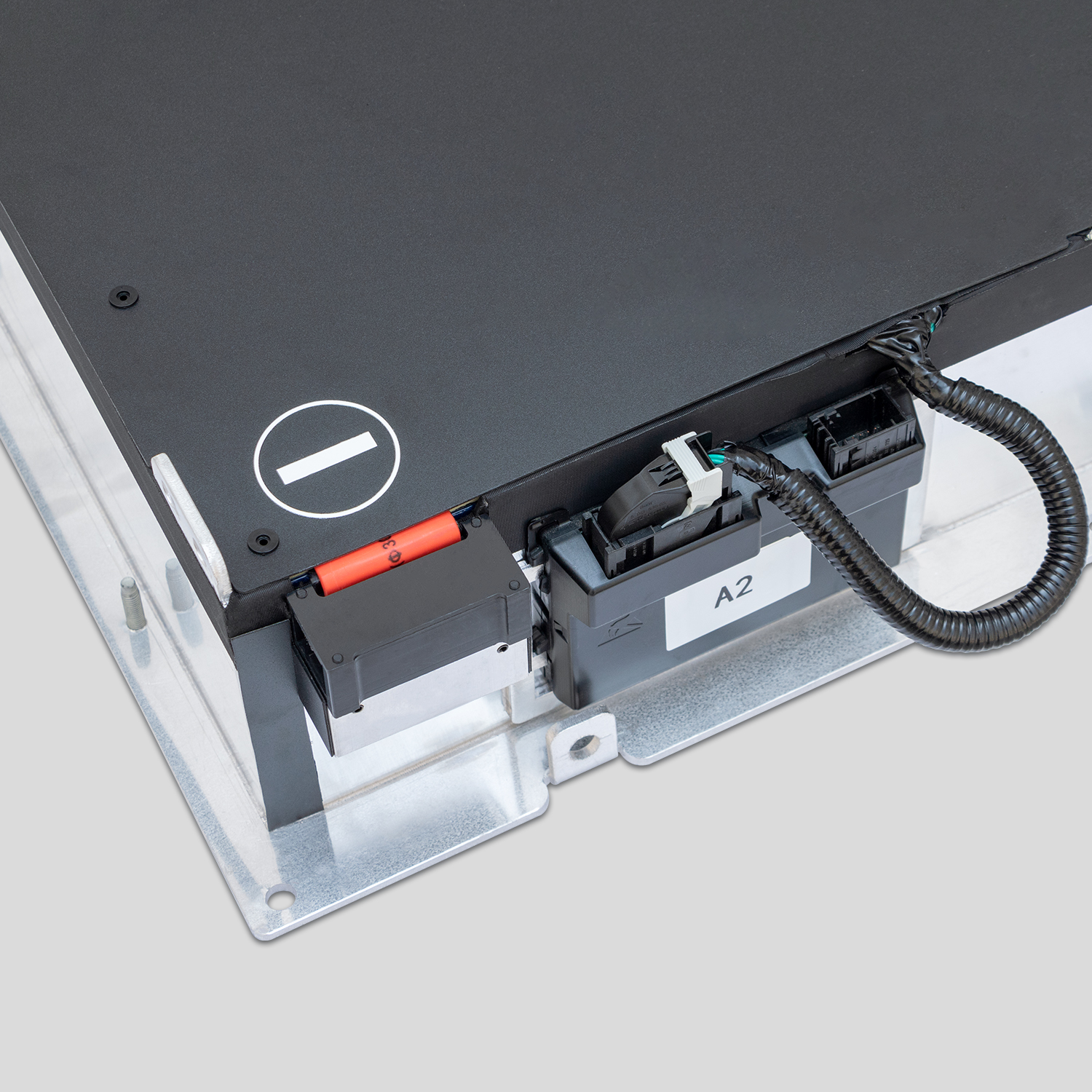
BMW i3 Battery Module Balancing: Shop Techniques – Why “Passive Balancing” Is Wasting Your Customer’s Range (And What Top Shops Do Instead)
“We had a 2018 i3 come in with ‘only 90 miles of range.’ Scanned it—BMS showed all modules at 3.75V. Looked balanced. But during a load test, Module C dropped to 3.1V while others held 3.6V. The BMS’s passive balancing had masked a 12Ah capacity gap. We replaced the weak module, performed active balancing, and range jumped to 165 miles. The customer cried—he thought he needed a $9,000 pack. All it took was proper module-level diagnostics and balancing.”
You see balanced voltages on your scan tool.
The car drives fine—at first.
But then:
- Range drops faster than expected
- Regen cuts out early
- “Battery Service Required” appears after long trips
Here’s what most shops miss:
Voltage balance ≠ capacity balance.
And on the BMW i3, that difference can cost your customer 30% of their usable range.
This guide reveals the professional shop techniques that go beyond basic BMS data:
- How to detect hidden capacity imbalances
- When passive balancing fails (and why it always does over time)
- The active balancing workflow that restores true pack health
- Why mixing old and new modules is a recipe for failure
- And how CNS BATTERY delivers pre-balanced, matched modules—so you never start behind
Because in battery work, balance isn’t a feature—it’s the foundation.
The Illusion of Balance: Voltage vs. Capacity
The i3’s BMS uses passive balancing: bleeding excess charge from higher-voltage cells via resistors during charging. It equalizes voltage—but not stored energy.
Result?
- A pack can show all modules at 4.10V
- But one module holds only 78Ah while others hold 94Ah
- Under load, the weak module hits low-voltage cutoff first, shutting down the entire pack
🔍 True balance requires capacity matching within ±1Ah—not just voltage alignment.
🔋 Professional Module Balancing Techniques for i3 Packs
⚠️ Safety First: Always de-energize HV system before module access.
Step 1: Diagnose Beyond Voltage
- Use a module-level capacity tester (e.g., ZKE 808+)
- Fully discharge/charge each module individually
- Record actual Ah delivered—not just resting voltage
- Flag any module >3Ah below average
Step 2: Never Mix Old and New Modules
- Even if voltages match, aging cells have higher internal resistance
- Mixing causes continuous imbalance, overheating, and BMS stress
- Best practice: Replace in full sets or use factory-matched modules
Step 3: Active Balancing (Post-Replacement)
- After installing new modules, perform controlled charge/discharge cycles:
- Cycle 1: 100% → 20% at 15A
- Cycle 2: 100% → 10% at 10A
- Cycle 3: 100% → 5% at 5A
- This allows the BMS to learn true capacity curves
- Verify with ISTA: Service Functions > HV Storage > Cell Balance Status
Step 4: Thermal Validation
- Drive vehicle under load (highway + regen)
- Monitor module temps with thermal camera
- Imbalance shows as >5°C difference between modules
💡 Pro Tip: CNS modules ship pre-cycled and capacity-matched—reducing break-in time by 80%.
Why Passive Balancing Alone Fails Long-Term
Passive balancing:
- Only works during charging
- Wastes energy as heat (inefficient)
- Cannot correct existing capacity loss
- Accelerates degradation in overworked balancing resistors
In aging packs, passive balancing becomes a band-aid on a structural flaw.
CNS BATTERY: Precision-Matched from Day One
Every CNS i3 battery module undergoes:
✅ Individual capacity grading (94Ah ±0.5Ah)
✅ Internal resistance sorting (<1.5mΩ variation)
✅ 3 full charge/discharge cycles before assembly
✅ Pre-balanced state-of-charge (3.85V ±0.02V)
Result?
Zero balancing-related comebacks in certified shop installations.
“We used to spend hours trying to ‘rebalance’ mixed packs. Now we install CNS full-module kits—and the car reports perfect balance on first startup. It’s night and day.”
— Lisa K., Berlin EV Specialist
Frequently Asked Questions: i3 Module Balancing
Q: Can I balance modules using only ISTA?
A: ISTA can monitor balance but cannot force active balancing. True correction requires controlled cycling.
Q: How often should I check module balance?
A: At every major service—or if range drops >15% from baseline.
Q: Does BMS software update improve balancing?
A: Minor gains—but hardware (cell quality and matching) matters far more.
Q: Can I rebalance a single weak module?
A: Only if replacing it with a matched-new module. Reviving aged cells is not reliable.
Q: Do CNS packs include balance reports?
A: Yes—each shipment includes a module-by-module capacity and IR log.
Balance Isn’t Optional—It’s Essential
An unbalanced i3 pack doesn’t just lose range—it stresses every component, shortens lifespan, and risks premature failure.
Start Every Job Ahead of the Curve—With Factory-Balanced Modules That Work Right Out of the Box
Stop fighting imbalances. Start delivering consistent, predictable performance.
Order your precision-matched CNS BMW i3 battery modules—or request our Module Balancing Protocol for Shops:
👉 https://cnsbattery.com/ev-battery-home/ev-battery-contact/