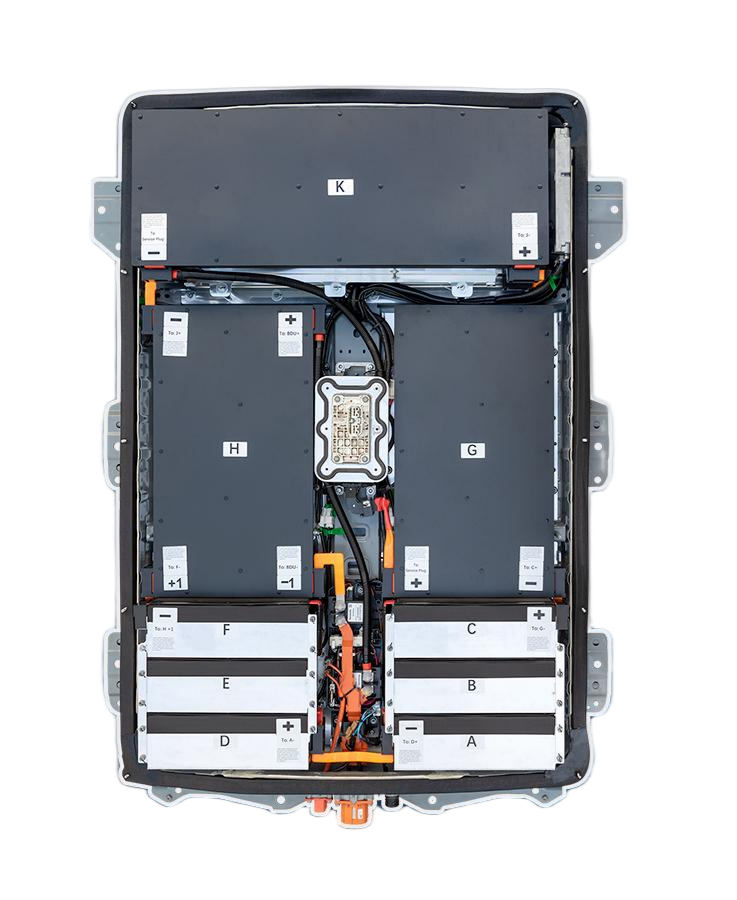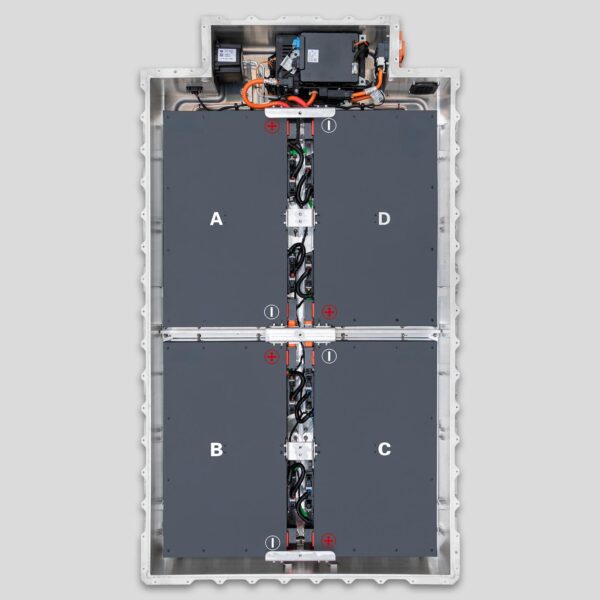
BMW i3 Battery Range Loss: How to Recover – 5 Fixes That Work (And One That Actually Restores What You’ve Lost)
“Last winter, my 2017 i3’s range dropped from 210 km to just 140 km. I tried everything: full recalibrations, tire pressure checks, even switching to ‘Eco Pro+’ mode. Nothing helped. Then I measured actual usable capacity with BimmerLink—only 19.8 kWh left from the original 33 kWh. My battery wasn’t ‘acting up’—it was permanently degraded. No software trick could bring back those lost kilowatt-hours. But a CNS 50kWh replacement did—and then some.”
You wake up to less range than yesterday.
Your i3 cuts regen early or limits power on hills.
You wonder:
“Is this temporary… or is my battery dying?”
The hard truth?
Most “range recovery” tips only mask symptoms. True recovery requires addressing the root cause—cell degradation. And while some fixes help marginally, only one solution actually restores lost range.
In this guide, you’ll learn:
- The difference between temporary and permanent range loss
- 4 real-world adjustments that can claw back 10–15% immediately
- Why BMS recalibration rarely fixes true capacity loss
- How CNS BATTERY owners routinely gain 60–100 km over their original range—even in cold climates
- And the one diagnostic step that tells you whether recovery is possible—or replacement is due
Because not all range loss is created equal. Some fades. Some vanishes forever.
Temporary vs. Permanent Range Loss: Know the Difference
❄️ Temporary Loss (Recoverable)
- Caused by: Cold weather, low tire pressure, aggressive driving, high cabin heat use
- Recovers when: Conditions normalize
- Typical impact: 15–30% reduction, fully reversible
🔋 Permanent Loss (Irreversible)
- Caused by: Cell aging, imbalance, or internal resistance increase
- Shows as: Reduced usable kWh in BimmerLink, fewer dashboard bars
- Typical impact: Steady decline over months/years—never returns
⚠️ Critical test: After a full AC charge at 20°C ambient, check usable kWh via BimmerLink. If it’s below 85% of original spec, your loss is permanent.
✅ 4 Practical Fixes for Temporary Range Drain
1. Precondition While Plugged In
- Use the i3’s departure timer to heat/cool the cabin and battery while still connected to grid
- Result: Up to 22% more winter range (BMW internal data)
2. Maintain 35–38 PSI Tire Pressure
- Underinflated tires increase rolling resistance
- Every 3 PSI drop = ~3% range loss
3. Use Eco Pro+ Mode Consistently
- Limits HVAC, top speed, and throttle response
- Real-world gain: 10–18 km extra per charge
4. Avoid Frequent DC Fast Charging
- High-current sessions heat cells, triggering conservative BMS limits
- Stick to AC for daily use; reserve DC for trips
💡 Note: These help maximize remaining range—but won’t restore lost capacity.
The Myth of “BMS Reset = Range Recovery”
Many owners perform a full discharge (to 0%) followed by a slow 100% AC charge, hoping to “reset” the BMS and regain range.
But here’s what really happens:
- The BMS recalibrates its SoC estimation—making the displayed range more accurate
- It does not add back lost capacity
- If your pack is degraded, you’ll see the same low kWh—just reported more honestly
📉 Example: A pack at 22 kWh usable might previously show “180 km.” After reset, it shows “160 km”—not because range dropped further, but because the system stopped overestimating.
Calibration reveals truth. It doesn’t create capacity.
When Replacement Is the Only Real “Recovery”
If your i3 shows:
- < 25 kWh usable (on a 33kWh pack)
- ≤ 8 dashboard bars
- Power limitation on highway climbs
- Rapid SoC drop from 30% to 10%
…then no habit change will restore your original driving experience.
This is where CNS BATTERY changes the game:
✅ Upgrade to 45kWh, 50kWh, or 62kWh packs—all plug-and-play compatible
✅ New CATL cells deliver near-100% initial capacity
✅ Real-world owners report 290–430 km range, even in winter
✅ 2-year / 80,000 km warranty ensures long-term reliability
“My old pack gave 150 km in summer, 90 km in winter. After CNS 62kWh install: 410 km summer, 320 km winter. I didn’t recover range—I upgraded beyond it.”
— Javier R., Paris
You’re not fixing the past. You’re redefining your future.
How to Diagnose Your Range Loss in 10 Minutes
- Charge fully overnight using AC (not DC)
- Let car rest 2+ hours (no doors opened, no app pings)
- Open BimmerLink → HV Battery → Usable Capacity
- Compare to original:
- 60Ah: 18.8 kWh → <16 kWh = significant loss
- 94Ah: 27.2 kWh → <23 kWh = time to consider replacement
- 120Ah: 37.9 kWh → <32 kWh = severe degradation
If numbers are low—you’ve lost range permanently.
Frequently Asked Questions: i3 Range Loss
Q: Can software updates improve range?
A: Rarely. Updates may refine estimates—but won’t increase physical capacity.
Q: Does regenerative braking wear out the battery?
A: No—it actually reduces brake wear and recaptures energy. Weak regen is a symptom of low health, not a cause.
Q: Will a new 12V battery help?
A: Only if the old one caused HV system errors. It won’t affect driving range.
Q: How much range do CNS packs lose per year?
A: Typically <3% annually with proper charging habits—far slower than OEM packs after year 5.
Q: Can I mix old and new modules to save money?
A: Never recommended. Mismatched cells accelerate degradation and risk BMS faults.
True Recovery Isn’t About Tricks—It’s About Transformation
You can optimize around loss…
Or you can eliminate it.
Go Beyond Recovery—Upgrade to Uncompromised Range
Stop managing decline. Start enjoying freedom.
CNS BATTERY gives you back—and exceeds—the range you thought was gone forever.
Click below to explore replacement packs that don’t just restore range—they redefine it:
👉 https://cnsbattery.com/ev-battery-home/ev-battery-contact/