BMW i3 Battery Charging Habits: Best Practices That Add Years (Not Just Miles)
“I used to plug my i3 in every night—100% on Level 2, no exceptions. After 3 years, my 33kWh pack dropped to 24 kWh usable. My neighbor, same model, same mileage, charges only to 80% and avoids DC fast charging unless traveling. His pack? Still at 29 kWh. We drive the same routes. The only difference? Charging habits.”
You love your i3.
You charge it regularly—maybe even religiously.
But are your habits extending battery life… or silently accelerating its decline?
Most owners assume “more charging = better prepared.”
The truth?
How you charge matters far more than how often.
In this guide, you’ll discover:
- The one daily habit that degrades i3 batteries faster than mileage
- Why 80% is the new 100% for long-term health
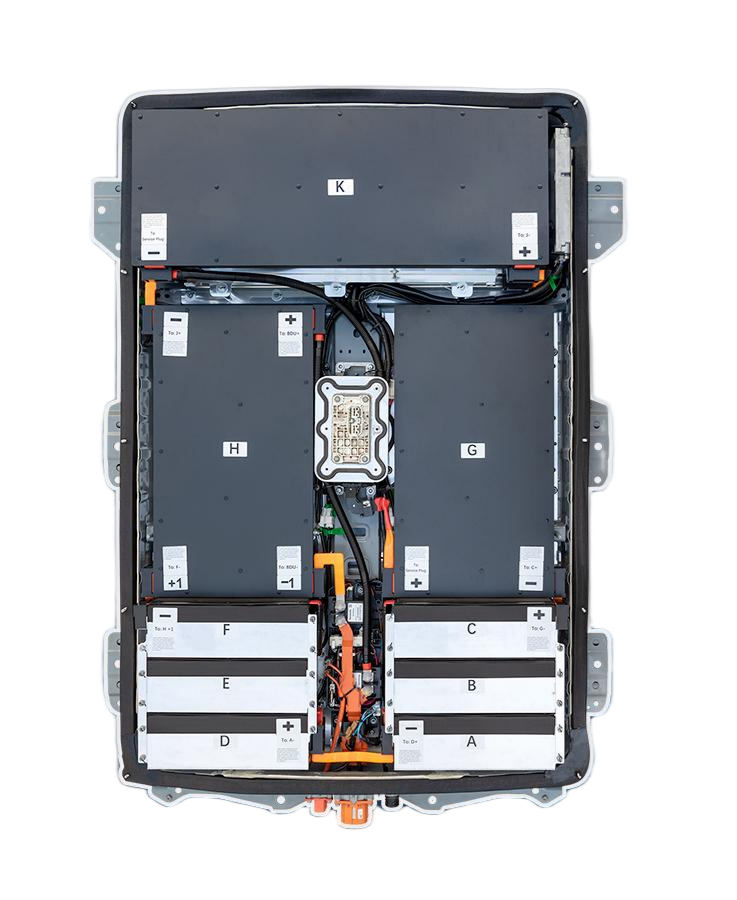
- How CNS BATTERY packs are engineered to tolerate real-world charging—but still thrive with smart habits
- And the simple weekly routine that can add 2+ years to your pack’s usable life
Because your battery doesn’t just store energy—it remembers every charge.
The Silent Killer: Chronic High-State-of-Charge Storage
BMW i3 batteries use NMC (Nickel Manganese Cobalt) lithium cells—chemistry highly sensitive to voltage stress.
When you leave your pack at 100% SoC for hours or days, cell voltage stays near 4.2V, causing:
- Electrolyte breakdown
- Accelerated SEI layer growth
- Permanent capacity loss (up to 3x faster vs. 50–80% storage)
⚠️ Data point: A study by Battery University found NMC cells stored at 100% SoC at 25°C lose ~20% capacity in 1 year. At 50% SoC? Only ~4%.
Yet most owners plug in at night—and leave it topped off until morning commute.
✅ The CNS-Recommended Charging Routine
🌞 Daily Driving (<200 km/day)
- Charge to 80% using AC (Level 1 or 2)
- Avoid overnight 100% holds—set timer or unplug when full
- Use “Reduced Charging” mode in i3 settings if available
🛣️ Long Trips (Occasional DC Fast Charging)
- DC charge only to 80%—the last 20% slows dramatically and heats cells
- Let pack cool 15 mins before driving after DC session
- Return to 50–70% SoC within 24 hours post-trip
🏠 Weekend or Extended Parking
- Store at 50–60% SoC
- Disconnect 12V battery if parked >2 weeks (prevents vampire drain forcing HV wake-ups)
💡 Pro tip: Use BimmerLink to monitor resting cell voltage. Ideal parked voltage: 3.75–3.85V per cell (~50–60% SoC).
What About Newer or Replacement Packs?
Even brand-new CNS BATTERY packs—built with premium CATL NMC cells—benefit from these habits. Why?
✅ While more robust than aging OEM units, all lithium chemistries degrade under high-voltage stress
✅ Smart charging maximizes your 2-year / 80,000 km warranty window by minimizing wear
✅ Balanced cells = fewer BMS recalibrations and smoother regen performance
“After installing my CNS 45kWh pack, I followed the 80% rule. At 40,000 km, BimmerLink shows 43.1 kWh usable—just 4% loss. My old pack lost 22% in the same time.”
— Lisa K., Berlin
New hardware rewards good behavior.
Debunking Common i3 Charging Myths
❌ “I must charge to 100% weekly to ‘calibrate’ the battery.”
Truth: i3 BMS auto-calibrates during normal use. Forced 100% charges cause more harm than benefit.
❌ “DC fast charging ruins batteries.”
Truth: Occasional DC use is fine. Chronic high SoC + heat is the real enemy—not speed alone.
❌ “Leaving it plugged in is safest for the 12V system.”
Truth: Modern i3s manage 12V well. Unplug after 80%—or use a smart EVSE with scheduling.
The Weekly Health Check Every i3 Owner Should Do
- Sunday evening: Charge to 80%
- Monday morning: Note range estimate
- Track monthly: If range drops >3% in a month, check for cell imbalance via BimmerLink
- Every 3 months: Perform one full 0–100% cycle only if needed for BMS reset (not routine!)
This simple ritual catches early degradation—before it impacts daily life.
Frequently Asked Questions: i3 Charging Best Practices
Q: Can I use a timer on my EVSE to stop at 80%?
A: Not directly—but many apps (like Ohme or Wallbox) integrate with i3 to limit charge level remotely.
Q: Does cold weather change charging rules?
A: Yes—precondition while plugged in, then charge immediately. Avoid DC charging below 0°C unless preconditioned.
Q: Is 70% better than 80% for daily use?
A: Slightly—but 80% offers the best balance of range confidence and longevity for most drivers.
Q: Do CNS packs have built-in overcharge protection?
A: Yes—but protection prevents failure, not gradual degradation. Smart habits still extend lifespan.
Q: Should I avoid public AC chargers?
A: No—AC charging (Level 2) is gentle. Only frequent DC + high SoC is problematic.
Your Battery Remembers Every Choice
Charging isn’t just about filling a tank.
It’s a conversation between you and your cells—one that shapes their future.
Maximize Every Kilowatt—From Day One to Warranty End
Whether you’re on an original pack or a CNS replacement, smart charging habits unlock longer range, fewer issues, and higher resale value.
Ready to upgrade to a battery built for real life—with engineers who help you care for it?
👉 https://cnsbattery.com/ev-battery-home/ev-battery-contact/