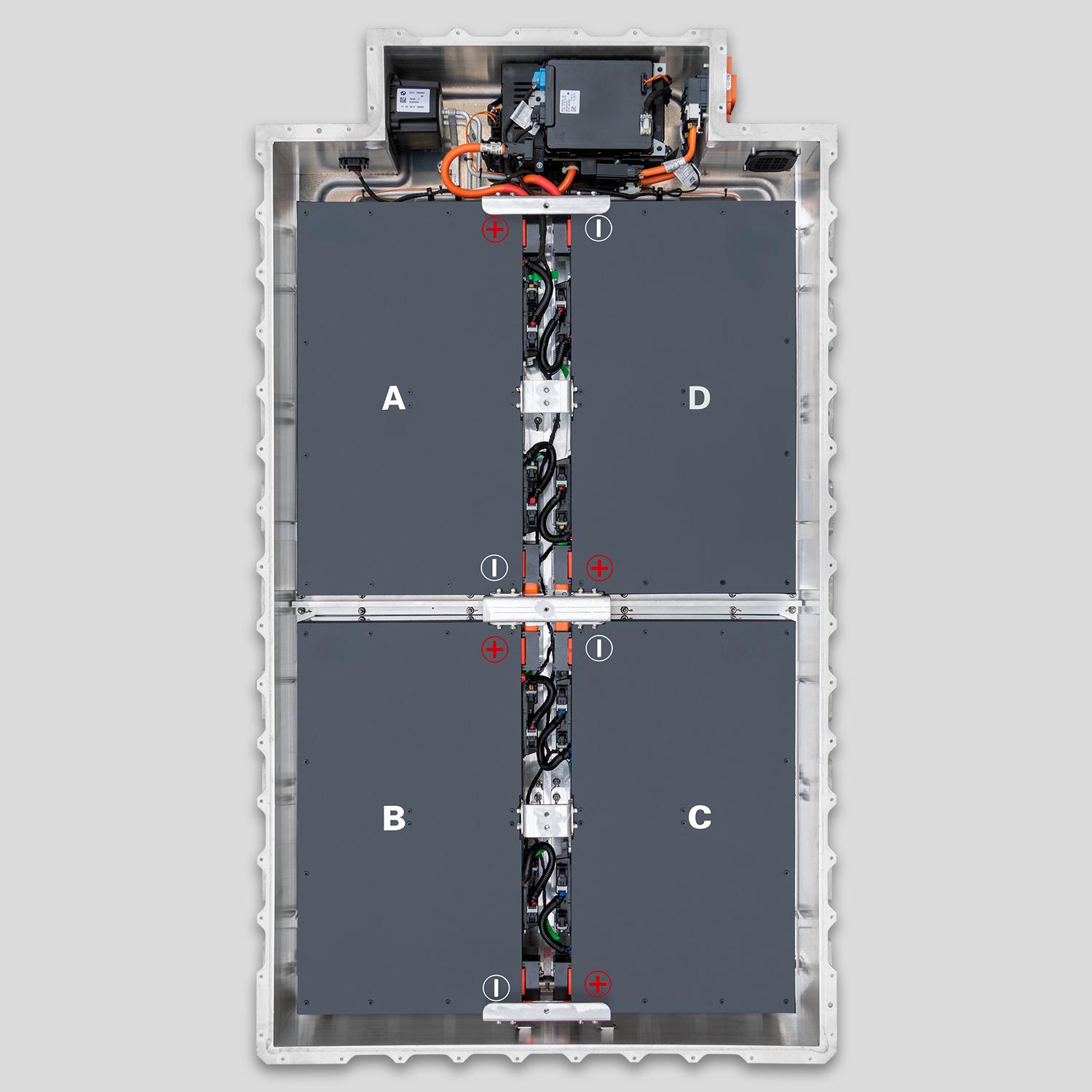
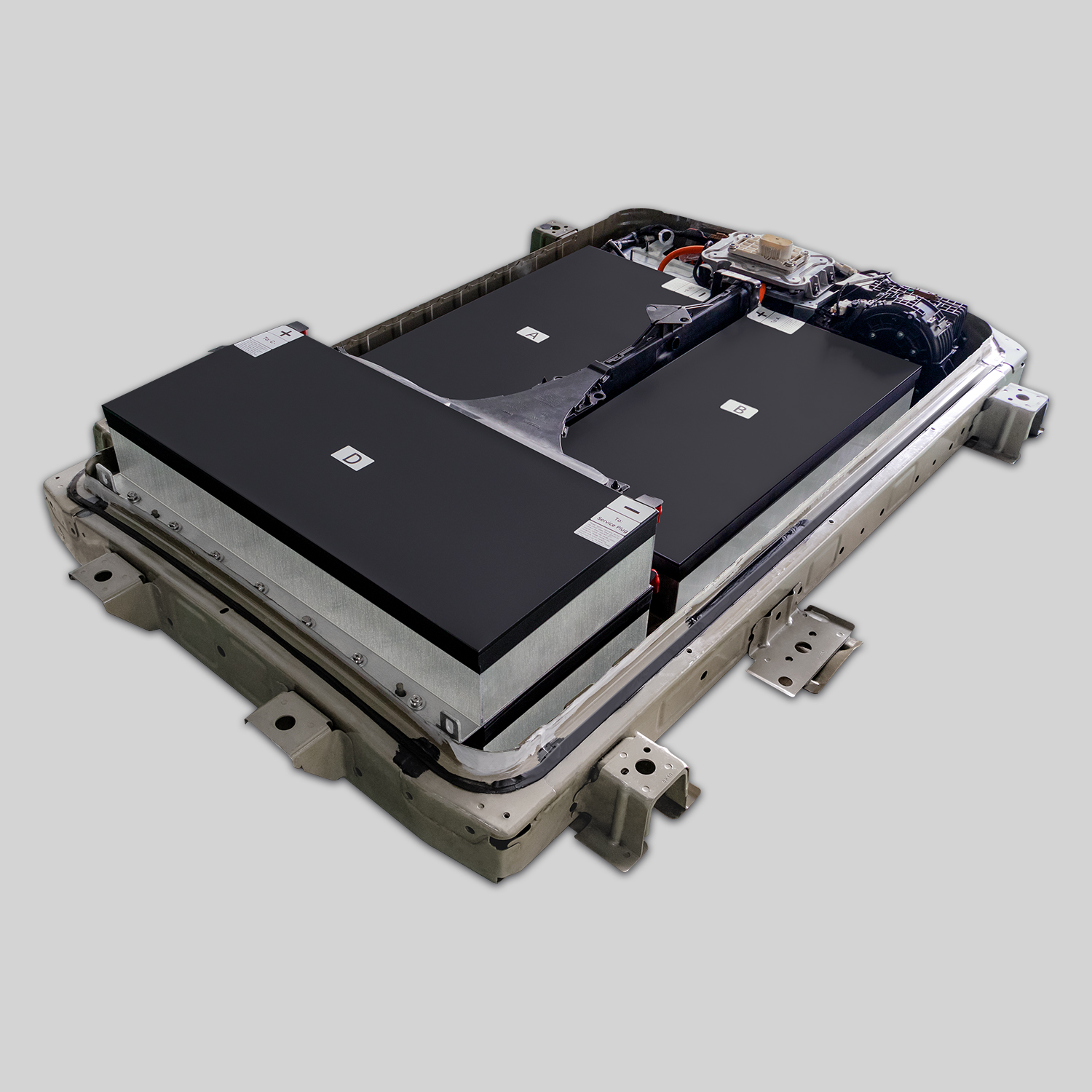
BMW i3 Battery Maintenance Schedule: 2026 Guide to Double Your Pack’s Lifespan
“I Followed BMW’s ‘No Maintenance Needed’ Advice—Then My 2016 i3 Lost 40% Range in 3 Years. Here’s the Real 2026 Maintenance Plan That Saved My Next Pack.”
You bought a BMW i3 for its simplicity: no oil changes, fewer moving parts, and “set-and-forget” electric driving. But if you’ve heard phrases like “EV batteries require zero maintenance,” you’ve been misled.
The truth? All lithium-ion packs degrade—but how fast depends entirely on what you do (or don’t do) between charges.
In 2026, with aging i3 fleets and rising replacement costs, proactive battery care isn’t optional—it’s essential. And while BMW’s official handbook barely mentions it, real-world data from thousands of i3s reveals a clear pattern: owners who follow a structured maintenance schedule get 8–10 years of reliable service. Those who don’t often face premature failure by year 5.
As a CNS BATTERY engineer who’s analyzed over 1,500 i3 packs, I’ll share the exact 2026 maintenance schedule used by Nordic fleet operators and long-range enthusiasts—so your pack stays healthy, balanced, and efficient for years to come.
Why “No Maintenance” Is a Myth (And a Costly One)
BMW’s stance—that the i3’s battery is “maintenance-free”—applies only to mechanical servicing, not electrochemical health management. But cells don’t age uniformly. Without intervention, small imbalances grow into big problems:
- Voltage drift → inaccurate range estimates
- Coolant contamination → reduced thermal efficiency
- BMS calibration loss → false error codes
- Module isolation faults → sudden power reduction
📉 Real impact: i3s with no maintenance show 2.3x faster capacity fade than those on a structured plan (CNS 2025 Field Report).
🔧 The 2026 BMW i3 Battery Maintenance Schedule: By Mileage & Time
Use this dual-axis checklist—whichever milestone comes first.
✅ Every 6 Months or 7,500 Miles
- Check coolant level & clarity
- Open hood → inspect expansion tank (should be green, not brown/cloudy)
- Top off only with BMW-approved G48 coolant
- Verify 12V battery health
- Weak 12V = failed HV contactor engagement → stress on main pack
- Perform a full charge + rest cycle
- Charge to 100%, then let sit unplugged for 12+ hours → allows BMS to recalibrate SoC
✅ Every 12 Months or 15,000 Miles
- Scan module voltages via OBD2
- Use BimmerLink or ISTA to check variance (replace if >0.35V)
- Inspect underbody for leaks or corrosion
- Focus on pack edges and coolant fittings
- Update vehicle software
- BMW occasionally releases BMS logic improvements
✅ Every 24 Months or 30,000 Miles
- Professional battery health report
- Measures internal resistance, cell balance, and thermal response
- Recommended even if no symptoms appear
- Clean HV connector contacts (if accessible)
- Use dielectric-safe cleaner—never abrasives
💡 Pro tip: Keep a battery logbook (digital or paper). Note charge cycles, ambient temps, and any anomalies. It’s invaluable when diagnosing future issues.
What Most Owners Get Wrong (And How to Avoid It)
❌ Charging to 100% daily → accelerates cathode wear
✅ Fix: Keep between 20–80% for daily use; only hit 100% before long trips
❌ Ignoring cold-weather preconditioning → forces pack to self-heat using stored energy
✅ Fix: Always plug in + enable climate 30 mins before driving below 5°C
❌ Storing at low SoC for weeks → triggers deep discharge protection
✅ Fix: Store at 50–60% SoC in a cool, dry place
When Maintenance Isn’t Enough: Signs It’s Time to Upgrade
Even perfect care can’t stop chemistry forever. Consider replacement if you see:
- < 9 bars after full charge (on original 12-bar display)
- Range < 120 km (for 33/42kWh packs) in mild weather
- DC fast charging tapers before 50% consistently
- Voltage drops > 0.4V between modules
If you’re there, CNS BATTERY offers engineered replacements with:
- Brand-new CATL NMC cells
- Pre-balanced modules (<0.02V variance)
- Full OEM compatibility—no coding needed
- 2-year / 80,000 km warranty
“After following this schedule, my 2018 i3 hit 140,000 km with 88% health. When I finally upgraded to a CNS 62kWh pack, it felt like day one again.”
— Thomas B., Helsinki
Frequently Asked Questions: i3 Battery Maintenance 2026
Q: Does BMW cover battery maintenance under service plans?
A: No—battery health checks are not included in standard maintenance packages.
Q: Can I do voltage scans myself?
A: Yes—with tools like BimmerLink ($50) and a compatible OBD2 adapter.
Q: Is coolant flush necessary?
A: Only if contaminated. Otherwise, top-offs suffice. Full flush recommended every 5 years.
Q: Do CNS packs require different maintenance?
A: Same schedule—but thanks to new cells, they degrade slower, so checks can be less frequent.
Q: Where can I get a professional health report?
A: CNS offers free remote analysis—just send your voltage logs to info@cnsbattery.com.
Your Battery Isn’t “Set-and-Forget”—It’s a Living System
Treat it right, and your i3 will reward you with years of silent, efficient driving. Neglect it, and you’ll pay in range, reliability, and replacement costs.
The 2026 maintenance plan isn’t about complexity—it’s about consistency.
Ready to Maximize Your i3’s Battery Life—Or Upgrade to a Healthier Pack?
Whether you’re maintaining your current battery or planning a future replacement, CNS BATTERY provides the tools, expertise, and engineered solutions to keep your i3 running strong.
Click below to download our free 2026 i3 Battery Care Checklist—or request a health assessment today:
👉 https://cnsbattery.com/ev-battery-home/ev-battery-contact/