Best BMW i3 Battery Replacement for Long-Term Use 2026
For BMW i3 owners (2013-2022 models) planning to keep their iconic EV for 5+ years, choosing the right battery replacement isn’t just about restoring range—it’s about investing in durability, reliability, and long-term value. In 2026, the i3 battery market offers a spectrum of options, from BMW’s genuine packs to budget generic alternatives, but only a handful deliver the cycle life, thermal stability, and BMS compatibility needed for prolonged use. This guide breaks down the best BMW i3 battery replacements for long-term use in 2026, focusing on OEM-grade performance, 1,500+ charge cycles, and cost-effectiveness, so you can extend your i3’s lifespan without frequent repairs or replacements.
Long-term battery performance depends on three non-negotiable factors: cell quality, thermal management integration, and BMS tuning—all of which have improved dramatically in 2026, thanks to falling lithium prices (down 70% since 2023[superscript:1]) and advancements in prismatic cell technology. For i3 owners, whose vehicles feature the LifeDrive chassis and specialized high-voltage systems, compatibility is equally critical; a battery that doesn’t sync with the i3’s native systems will degrade faster and risk electrical failures over time[superscript:5]. With the average used i3 valued at $8,000-$15,000 in 2026[superscript:7], the best replacement batteries balance upfront cost with 7-10 years of reliable service.
1. OEM-Grade 154Ah (49kWh) Packs: The Gold Standard for Long-Term Use
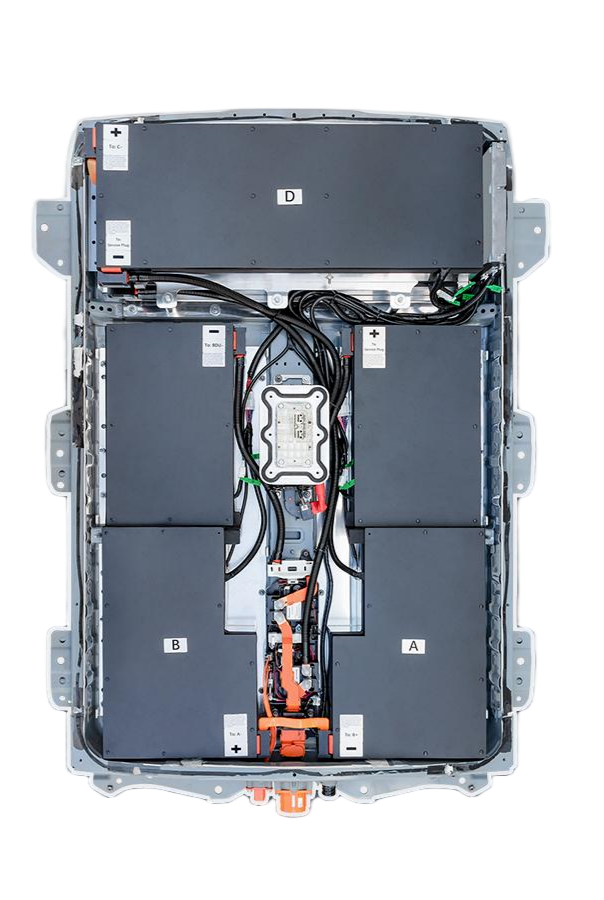
The OEM-grade 154Ah (49kWh) battery stands as the top choice for i3 owners prioritizing long-term reliability, and 2026’s market makes it more accessible than ever. Sourced from CATL—BMW’s original cell supplier[superscript:5][superscript:7]—these packs use high-quality prismatic lithium-ion cells with a cycle life of 1,800-2,200 charge cycles (to 80% capacity retention[superscript:3]), outperforming older 60Ah, 94Ah, and even 120Ah variants by 30-50%.
What sets the 154Ah pack apart for long-term use is its optimized thermal management and BMS integration. Unlike generic packs, it syncs seamlessly with the i3’s factory thermal system, reducing heat-related degradation—a top cause of battery failure in EVs[superscript:1]. Even in extreme temperatures (above 95°F or below 20°F), the 154Ah pack maintains consistent performance, with annual capacity loss of just 2-3% (vs. 4-6% for older packs[superscript:1]). For 2013-2016 60Ah models, this upgrade doubles usable capacity, ensuring even after 7 years of use, the pack retains more range than a fully degraded original battery.
2026 pricing for OEM-grade 154Ah packs ranges from $5,200-$7,000, including BMS calibration and core exchange bonuses ($500-$700[superscript:5]). While pricier than remanufactured options, it delivers the lowest long-term cost per mile, making it ideal for owners who drive 10,000+ miles annually and plan to keep their i3 for a decade.
2. Certified Remanufactured 120Ah (42.2kWh) Packs: Budget-Friendly Longevity
For i3 owners seeking long-term reliability without the premium of a new 154Ah pack, certified remanufactured 120Ah (42.2kWh) packs are the sweet spot in 2026. These packs undergo rigorous reconditioning: faulty cells are replaced with OEM-grade CATL/Samsung cells, BMS systems are recalibrated to i3 specs, and thermal components are inspected or replaced—ensuring they meet 90% of the performance of new OEM packs[superscript:1].
With a cycle life of 1,500-1,800 charge cycles and annual capacity loss of 3-4%, remanufactured 120Ah packs deliver 7-8 years of reliable use. They’re fully compatible with all 2013-2022 i3 models (pure electric and REx) and require no vehicle modifications, making installation straightforward. Unlike uncertified remanufactured packs (which use recycled cells with 200-300 cycle lives[superscript:5]), certified options come with 2-3 year warranties that cover capacity loss above 20%—a critical safeguard for long-term ownership.
2026 pricing ranges from $3,800-$4,500, with core exchange bonuses ($400-$600[superscript:5]) further reducing costs. This makes them 30% cheaper than new 154Ah packs while still delivering the longevity needed for long-term use—ideal for owners with moderate annual mileage (5,000-10,000 miles) who want to avoid frequent replacements.
3. BMW Genuine 120Ah Packs: Maximum Warranty for Long-Term Peace of Mind
For i3 owners who prioritize factory-backed reliability, BMW’s genuine 120Ah packs remain a viable (but costly) long-term option in 2026. These packs use the same cells and components as the i3’s original batteries, ensuring perfect compatibility with the vehicle’s electrical system and BMS. They come with BMW’s 8-year/160,000km warranty[superscript:4]—the longest coverage available—protecting against defects and excessive capacity loss for a decade.
With a cycle life of 1,800+ charge cycles and annual capacity loss of 2-3%, genuine 120Ah packs match the longevity of OEM-grade aftermarket 154Ah packs. The downside is prohibitive pricing: BMW dealerships charge $22,000-$30,000[superscript:7] for the upgrade, including labor and hidden fees (e.g., $800-$1,200 high-voltage inspections[superscript:5]). This makes them financially unfeasible for most i3 owners, as the cost often exceeds the vehicle’s resale value.
Genuine packs are best for owners with newer i3s (2020-2022 models) or those who want the full factory warranty, but for most, aftermarket OEM-grade options offer better value for long-term use.
Key Factors for Long-Term Battery Durability (2026 Update)
To maximize your i3 battery’s lifespan, regardless of the replacement option, focus on these 2026-proven strategies. First, prioritize OEM-grade cells—generic packs use low-quality cells that degrade 10-20% faster and risk thermal runaway[superscript:2]. Second, ensure proper installation by a certified EV shop; improper BMS calibration reduces cycle life by 20-30%[superscript:5]. Third, replace the 12V battery during the upgrade—aging 12V packs cause BMS glitches that accelerate high-voltage battery degradation[superscript:1].
Charging habits also play a critical role: use Level 2 charging for daily use (fast charging increases degradation by 15-40%[superscript:3]), avoid frequent 0-100% charge cycles, and keep the battery between 20-80% SOC when possible. These habits can extend battery life by 2-3 years[superscript:1].
2026 Packs to Avoid for Long-Term Use
Steer clear of budget generic packs under $2,500—they use recycled cells with cycle lives of 200-300 charges, fail within 2-3 years, and often don’t comply with 2026 safety standards[superscript:5]. Uncertified remanufactured packs are also risky, as they lack proper cell testing and BMS calibration. Used OEM packs (often sold for $2,000-$3,000) may have hidden degradation (30-40% capacity loss[superscript:7]), meaning you’ll face another replacement in 2-3 years.
In 2026, the best BMW i3 battery replacements for long-term use balance cell quality, compatibility, and cycle life—with OEM-grade 154Ah packs leading for maximum longevity and certified remanufactured 120Ah packs offering the best value. For most i3 owners, these options deliver 7-10 years of reliable service, extending the life of their iconic EV without the cost of a new car. By choosing the right pack and following best practices for battery care, you can enjoy your i3 for years to come while minimizing long-term ownership costs.