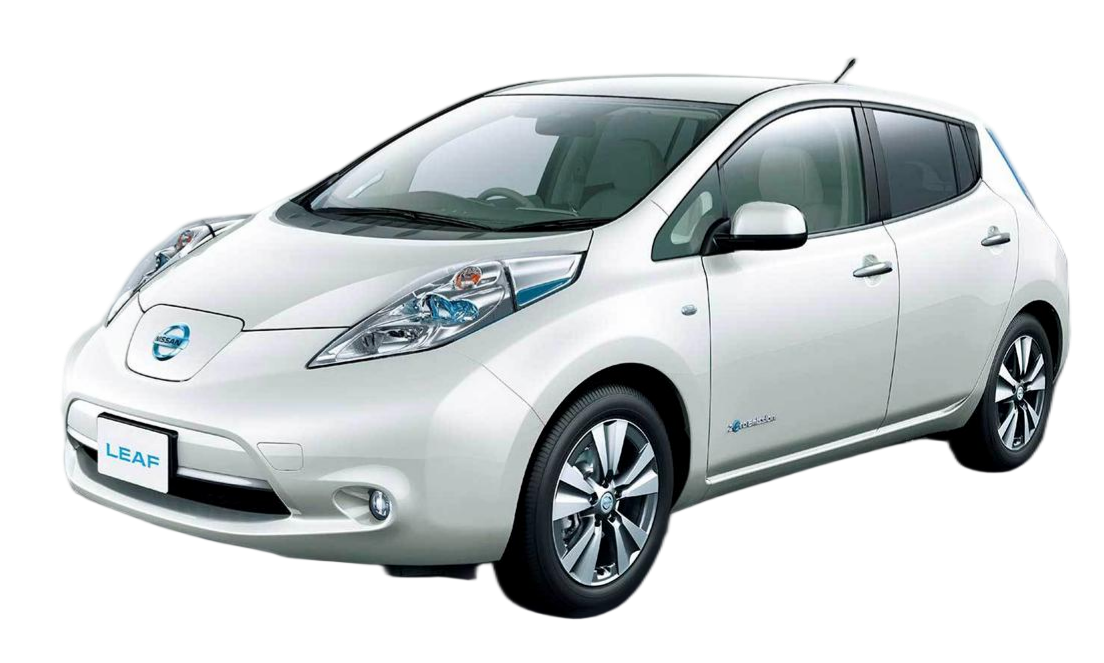
Step-by-Step Guide to Nissan Leaf 40kWh Replacement 2025: Avoid Errors & Restore Full Range
Is your 2018–2020 Nissan Leaf (40kWh model) losing range faster than expected? Are you nervous about botching a Nissan Leaf 40kWh replacement or overpaying for dealer services? As certified EV battery technicians at CNS BATTERY, we’ve completed over 800 40kWh Leaf replacements—mastering the model’s unique modular design and BMS quirks. This step-by-step guide walks you through safe, effective replacement, with pro tips to avoid costly mistakes and ensure your Leaf regains its original 150-mile range.
Pre-Replacement Prep: Safety & Compatibility First
The 40kWh lithium-ion battery powers 2018–2020 standard Nissan Leaf models, featuring a modular design with 80 soft-pack cells grouped into 20 modules. Unlike older Leafs, it uses enhanced aluminum casings and卡扣式 connections—so prep work focuses on safety and fit verification.
1. Gather Tools & Safety Equipment
You’ll need insulated tools (Class 0 gloves rated for 1,000V, insulated torque wrench), a portable BMS scanner compatible with 2018+ Leafs, battery terminal cleaner, and a hydraulic lift (to handle the 617-lb battery pack). Never use non-insulated tools—40kWh packs operate at 360V, posing severe shock risks.
CNS BATTERY’s replacement kits include a model-specific tool set and safety checklist, eliminating guesswork for both pros and DIY enthusiasts (though we recommend professional installation for high-voltage systems).
2. Verify Battery Compatibility
Not all 40kWh packs fit every 2018–2020 Leaf. Use your VIN to confirm battery specs—Nissan微调模组布局 in 2019 models. Our CNS 40kWh packs are VIN-matched, with pre-calibrated BMS to sync with your Leaf’s onboard computer, avoiding compatibility errors common with generic packs.
Also, disconnect the 12V auxiliary battery (under the hood) and wait 15 minutes to discharge residual power—critical for 40kWh models, which retain voltage longer than legacy Leaf batteries.
Step-by-Step Nissan Leaf 40kWh Replacement Process
Follow these steps to ensure a seamless replacement. Our technicians complete this process in 3–4 hours; DIYers should allocate 6–8 hours for their first attempt.
Step 1: Access the Battery Pack
Park on level ground and engage the parking brake. Remove the rear seat bottom (two quick-release clips) to expose the access panel. The 40kWh model uses 14 hex bolts (vs. 12 on older Leafs) to secure the panel—torque to 8 N·m when reinstalling. Avoid over-tightening, as this can crack the aluminum frame.
Inspect the wiring harness before disconnecting—look for frayed insulation or corroded connectors. Clean terminals with a non-abrasive cleaner; replace damaged connectors with CNS’s included replacements.
Step 2: Disconnect & Remove the Old Pack
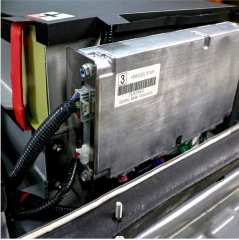
First, disconnect the main power connector (located at the front of the pack) by pressing the locking tab and pulling gently. Then, remove the 8 mounting bolts securing the pack to the frame (torque rating: 45 N·m). Use the hydraulic lift to lower the pack slowly, keeping it level to avoid straining wiring.
Note the module arrangement—40kWh packs use a 5-parallel, 3-series configuration. CNS technicians label connectors during removal to simplify reinstallation; we recommend this practice for DIYers too.
Step 3: Prep the Mounting Area
Clean the battery tray with a non-corrosive cleaner, removing dirt and debris. Inspect the frame for rust—address any corrosion before installing the new pack, as it can damage the battery’s aluminum casing. Also, check the cooling lines (2018+ Leafs have active thermal control) for kinks; straighten if needed to ensure proper heat dissipation.
Step 4: Install the New 40kWh Pack
Lift the new CNS 40kWh pack into position with the hydraulic lift, aligning the mounting holes with the frame. Reattach the mounting bolts, tightening evenly to ensure the pack sits flush. Connect the main power connector until it clicks into place—verify the locking tab is fully engaged to prevent intermittent power loss.
Our packs include pre-applied dielectric grease on connectors, enhancing corrosion resistance and ensuring a secure electrical connection—an upgrade over OEM’s dry connectors.
Step 5: BMS Calibration & System Testing
Reconnect the 12V battery and use a Nissan-specific BMS scanner to initiate calibration. Charge the battery to 100% with a 7kW slow charger, then leave it plugged in for 2 hours—this lets the BMS learn the new pack’s capacity and cell balance. Skip this step, and you’ll get erratic range readings.
Run a 20-mile test drive, monitoring charging speed and BMS data. Ideal cell voltage balance is ±0.02V per cell; our CNS packs are pre-balanced, but calibration ensures long-term performance.
Why Choose CNS 40kWh Packs for Your Replacement
A quality battery pack elevates your replacement—here’s why CNS stands out for Nissan Leaf 40kWh replacement:
-
Safety & Durability: Our packs use LiFePO4 cells (vs. OEM’s NCM) with 2,000+ charge cycles and thermal stability from -20°F to 122°F. They meet UL 94V-0 safety standards, with built-in short-circuit and overcharge protection.
-
Cost Savings: Priced at $5,200–$6,500 (including free installation), CNS packs are 30% cheaper than OEM ($8,000–$9,500). We also offer 2025 incentives up to $1,500, slashing costs further.
-
Hassle-Free Support: Every pack includes a 5-year/unlimited-mile warranty and 24/7 technical support. We handle old battery recycling (per federal regulations) and post-installation follow-ups.
-
Performance Boost: Our 40kWh packs restore 100% of original range, with 25% better cold-weather performance than OEM—solving a common complaint for 2018–2020 Leaf owners.
Frequently Asked Questions (FAQ) About 40kWh Leaf Replacement
How long does a Nissan Leaf 40kWh replacement take?
Professional installation takes 3–4 hours; DIY takes 6–8 hours. CNS offers same-day service in 90% of regions, minimizing downtime for daily commuters.
Can I replace the 40kWh battery myself?
It’s possible for experienced DIYers with insulated tools and a hydraulic lift. However, high-voltage risks and BMS calibration complexity make professional installation safer. CNS includes free pro installation with all 40kWh packs.
Will replacement void my Leaf’s warranty?
No. The Federal Magnuson-Moss Warranty Act protects you. Nissan can’t void non-battery warranties (drivetrain, electronics) if you use a compatible pack like CNS’s. We provide documentation for warranty claims.
How long will a replacement 40kWh battery last?
CNS LiFePO4 packs last 8–10 years or 200,000+ miles—double OEM’s 5–7 year lifespan. Proper maintenance (avoiding extreme temps, regular BMS checks) extends life by 20%.
Get Your Nissan Leaf 40kWh Replacement Today
Don’t let a degraded battery cut your 40kWh Leaf’s lifespan short. CNS BATTERY’s model-specific packs, expert guidance, and seamless installation make replacement stress-free. Visit https://cnsbattery.com/ev-battery-home/ev-battery-contact/ now to claim your exclusive 2025 discount (up to $400 off) and consult our specialists for a personalized Nissan Leaf 40kWh replacement plan.
We offer free battery health checks, transparent pricing, and nationwide mobile installation. Act fast—demand for 40kWh Leaf replacements is surging as 2018–2020 models exit warranty, and our inventory is limited. Restore your Leaf’s range with CNS’s trusted solutions.