Best Batteries for 2017 Nissan Leaf SL
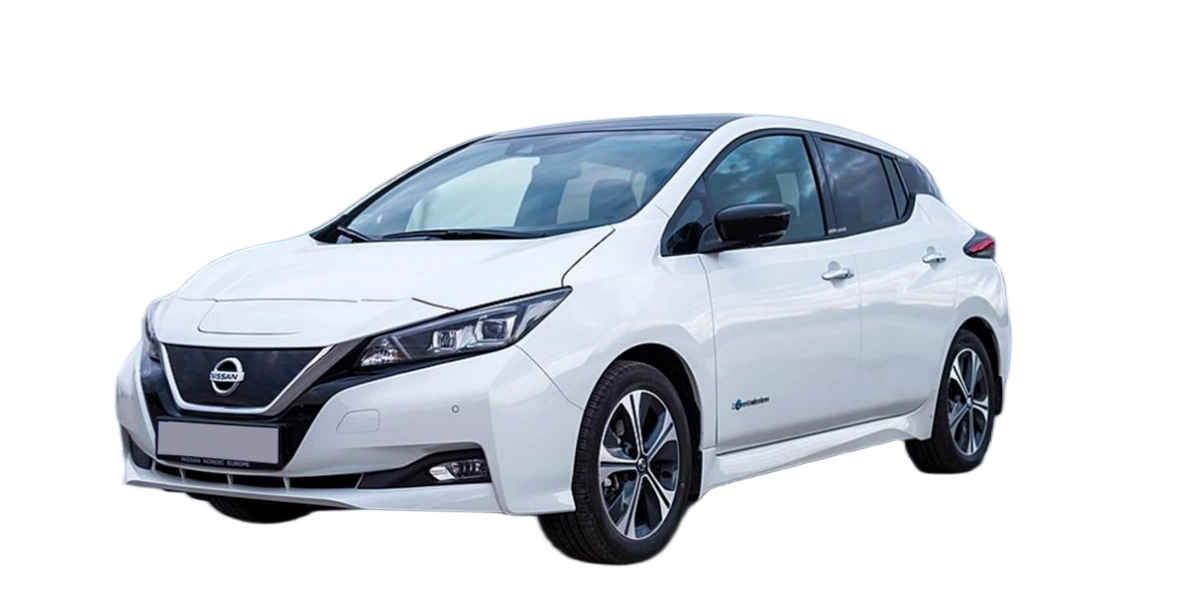
The 2017 Nissan Leaf SL stands out as a pioneering electric vehicle (EV) that balanced affordability, practicality, and modern features for urban commuters. Powered by a 30 kWh lithium-ion battery pack from AESC, this model delivered reliable performance and instant acceleration, earning an 83% recommendation rate among owners . However, as the vehicle ages, battery capacity decline and 12V auxiliary battery wear become common concerns, prompting many owners to seek replacement options. This guide breaks down the best battery choices for the 2017 Nissan Leaf SL, covering main drive batteries and 12V auxiliary batteries to help you restore performance and extend your EV’s lifespan.
Understanding the 2017 Nissan Leaf SL’s Battery Specifications
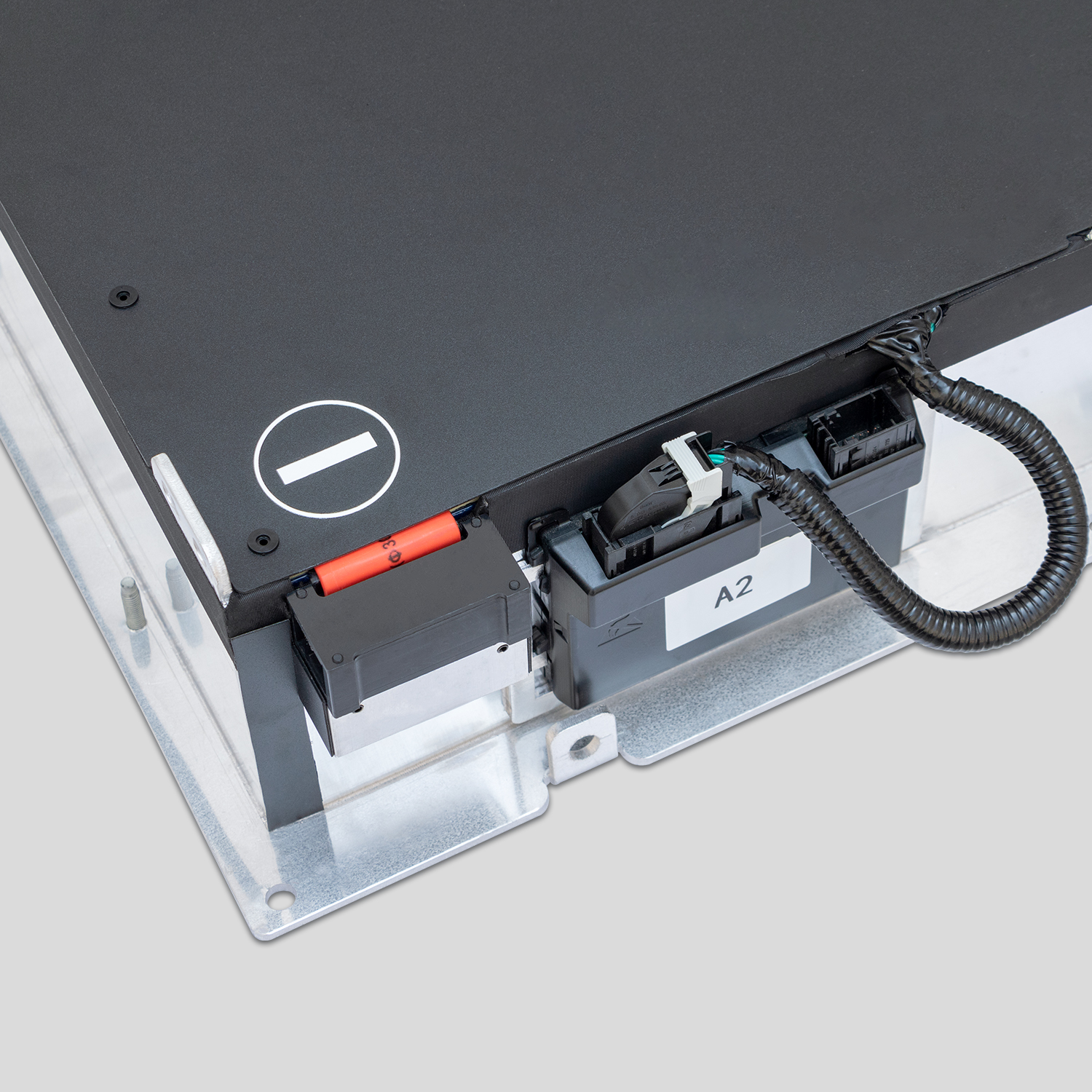
Before exploring replacements, it’s critical to grasp the original battery setup of the 2017 Leaf SL. The main drive battery is a 30 kWh lithium-ion pack with 192 cells arranged in 48 modules, operating at 360V and weighing 648.16 lbs . This stacked laminated LiMn₂O₄ with LiNiO₂/graphite configuration offers an energy density of 157 Wh/kg, optimized for city driving and short commutes. Complementing it is a 12V lead-acid auxiliary battery (BCI Group 51R) that powers the vehicle’s electronics, infotainment system, and pre-conditioning features.
Owners praise the Leaf SL’s battery for enabling fuel cost savings—some report just 3 cents per mile compared to 25 cents for gas-powered vehicles . Yet, extreme weather and long-term use lead to gradual capacity loss, making battery replacement a key consideration for extending the vehicle’s usability.
Best Main Drive Battery Replacements
The main drive battery is the heart of the 2017 Leaf SL, and replacements fall into three categories: OEM (Original Equipment Manufacturer), third-party new, and refurbished. Each option balances cost, performance, and warranty.
1. Nissan OEM 30 kWh Battery
For owners prioritizing compatibility and reliability, the Nissan OEM 30 kWh battery is the gold standard. Manufactured by AESC (the original supplier), this battery matches the 2017 Leaf SL’s factory specifications, ensuring seamless integration with the vehicle’s drivetrain and software. It retains the original energy density and charging capabilities, supporting both Type 1 AC charging (up to 7.4 kW) and CHAdeMO DC fast charging (up to 50 kW) .
Pricing for an OEM replacement ranges from $5,500 to $6,500 , excluding labor costs ($1,000–$2,000). A key advantage is Nissan’s generous warranty—OEM batteries typically include an 8-year/100,000-mile coverage, matching the original vehicle warranty. For owners under the original warranty, Nissan may cover replacement entirely if capacity falls below a specified threshold. This option is ideal for those who want to maintain factory performance and peace of mind.
2. Third-Party New 30 kWh Batteries
Third-party manufacturers offer cost-effective alternatives to OEM batteries without sacrificing quality. Brands like Envision AESC (formerly AESC) and Replus Energy produce 30 kWh lithium-ion packs tailored for the 2017 Leaf SL, adhering to the same voltage and cell configuration standards.
These batteries typically cost $4,000 to $5,500 , a 15–25% savings over OEM. Many include 3–5 year warranties and undergo rigorous testing to ensure compatibility with the Leaf’s BMS (Battery Management System). Some third-party options even offer minor upgrades, such as improved thermal management to reduce capacity loss in extreme temperatures—a common pain point for original Leaf batteries . This choice suits budget-conscious owners who want reliable performance without OEM pricing.
3. Refurbished/Reconditioned 30 kWh Batteries
Refurbished batteries are the most affordable option, costing $3,000 to $4,000 . Reputable suppliers disassemble original battery packs, replace degraded cells, and recalibrate the BMS to restore 80–90% of the original capacity. These batteries are ideal for owners looking to extend their Leaf’s lifespan for a few more years without a large investment.
When choosing a refurbished battery, prioritize suppliers that offer 1–2 year warranties and cell-level testing reports. Avoid uncertified refurbished packs, as they may have hidden cell degradation that leads to premature failure. This option is best for older Leaf SL models where a full OEM replacement may not be cost-justified.
Best 12V Auxiliary Battery Replacements
The 2017 Leaf SL’s 12V auxiliary battery is often overlooked but critical—it powers the vehicle’s electronics, including the infotainment system, climate pre-conditioning, and keyless entry. Original lead-acid batteries typically last 3–5 years, but many owners report frequent replacements, especially in cold climates . Lithium-ion (LiFePO4) replacements are the top choice for durability and performance.
1. Powertex BCI Group 51R LiFePO4 Battery
The Powertex BCI Group 51R LiFePO4 battery is a premium upgrade for the 2017 Leaf SL. Weighing just 9 lbs (one-third of a lead-acid battery), it offers 900 cranking amps, a 50 Ah lead-equivalent capacity, and a 5-year warranty . Key features include a built-in BMS to protect against overcharge/over-discharge, Bluetooth connectivity for real-time monitoring via app, and built-in jump-start capability—eliminating the need for bulky cables.
Priced at $699.99, it’s more expensive upfront than lead-acid batteries but lasts 2–5 times longer, making it cost-effective long-term . Its lightweight design also improves the Leaf’s efficiency, while the absence of lead and acid makes it eco-friendlier. This is the top choice for owners in extreme climates or those seeking low-maintenance reliability.
2. Ohmmu 12V Lithium Battery for Nissan Leaf
Recommended by Leaf owners in cold regions , the Ohmmu 12V Lithium Battery matches the BCI Group 51R size and offers similar performance to the Powertex model at a competitive price (comparable to high-quality AGM batteries). It features a robust BMS, extended cycle life, and compatibility with the Leaf’s electronic systems—no modifications required.
Owners report reliable performance in temperatures as low as -20°F, addressing the common issue of lead-acid batteries failing in cold weather. Ohmmu’s battery also requires no maintenance, making it a hassle-free upgrade for daily commuters.
3. Antigravity ATX20-RS Restart Battery
For owners seeking a compact, high-performance option, the Antigravity ATX20-RS Restart Battery is a top pick. Though smaller than the OEM Group 51R, it delivers sufficient power for the Leaf’s electronics and includes a built-in restart function to avoid dead batteries . It’s lightweight (4 lbs) and offers a 3-year warranty, making it ideal for owners who prioritize portability and reliability.
Note that this battery may require minor modifications to fit the OEM battery slot, but many Leaf owners have used it successfully for over a decade . It’s a great choice for enthusiasts looking to reduce weight and add convenience.
Key Considerations for Battery Replacement
-
Warranty Coverage: Always prioritize batteries with clear warranties. OEM batteries offer the longest coverage, while third-party options typically include 3–5 years. Refurbished batteries should have at least a 1-year warranty.
-
Installation: Main drive battery replacement requires specialized tools and software calibration—choose a certified EV technician or Nissan dealership. 12V batteries can be replaced DIY with basic tools.
-
Old Battery Value: Many suppliers offer trade-in credit for original batteries, reducing replacement costs. Nissan provides up to $1,000 cash back for OEM battery trade-ins .
-
Climate Adaptability: For cold regions, opt for LiFePO4 12V batteries and main batteries with enhanced thermal management. In hot climates, prioritize batteries with robust BMS to prevent overheating.
Final Recommendations
For main drive batteries: Choose the Nissan OEM 30 kWh battery for factory-grade reliability and warranty. Budget-focused owners should opt for a certified third-party new battery from Envision AESC or Replus Energy. For the most affordable option, a reconditioned battery from a reputable supplier works well for short-term use.
For 12V auxiliary batteries: ThePowertex BCI Group 51R LiFePO4 is the best all-around choice, offering durability, connectivity, and cold-weather performance. The Ohmmu 12V Lithium Battery is ideal for cold climates, while the Antigravity ATX20-RS suits owners seeking portability.
By selecting the right battery for your needs, you can restore the 2017 Nissan Leaf SL’s performance, extend its lifespan, and continue enjoying the cost savings and eco-friendly benefits of electric driving.