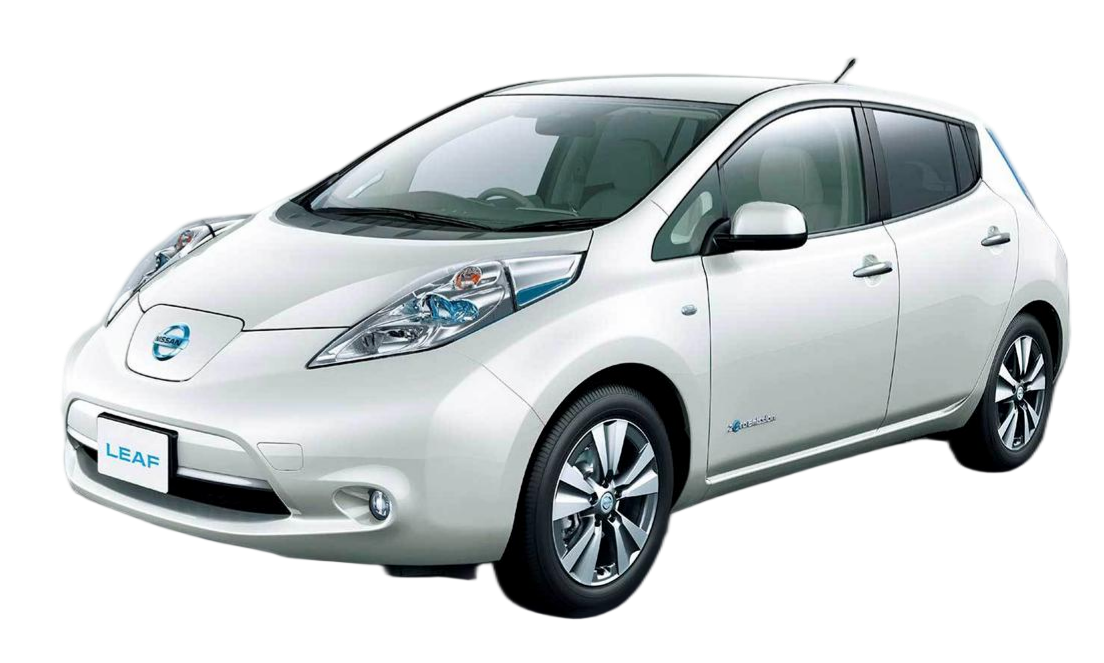
⚡ Winter Survival Guide: Maximizing Your Nissan Leaf ZE0 62kWh Range in Spain
As a seasoned expert in electric vehicle battery solutions, I’ve helped countless Nissan Leaf owners across Europe optimize their driving experience. One of the most common concerns I hear from drivers in Spain is the dreaded “winter range anxiety.”
While Spain enjoys a Mediterranean climate, the winter months (November to February) can bring chilly mornings and cooler evenings, especially in inland regions like Madrid or the mountains. If you own a Nissan Leaf ZE0 62kWh model, you might notice your battery depleting faster than usual during these colder periods.
This guide is specifically tailored for Spanish Leaf ZE0 owners. I’ll share practical, actionable tips to help you survive the winter chill, maintain your range, and ensure your EV is ready for both city commutes and road trips to the Costa del Sol.
❄️ Why Does the Leaf ZE0 62kWh Lose Range in Winter?
Before we dive into the survival tactics, let’s understand the science. The 62kWh battery pack in the ZE0 model is a technological marvel, but lithium-ion chemistry is sensitive to temperature.
- Chemical Slowdown: Cold weather increases the internal resistance of the battery cells. This means the chemical reactions that produce electricity happen more slowly, reducing the available power and energy output.
- Cabin Heating: Unlike gasoline cars that generate waste heat for the cabin, the Leaf relies entirely on its battery to power the heater. This is the single biggest drain on your battery in winter.
- Tire Pressure: Cold air causes tires to lose pressure. Under-inflated tires create more rolling resistance, forcing the motor to work harder.
🇪🇸 Survival Strategy #1: Pre-Conditioning is Your Best Friend
The most effective way to combat range loss is to heat the cabin before you unplug the car. This is called pre-conditioning.
How to do it in Spain:
- Schedule Charging: Use the NissanConnect app to schedule your charging to finish just before you plan to leave (e.g., 8:00 AM).
- Activate Climate Control: Turn on the “Climate Control” feature in the app while the car is still plugged in.
- The Result: The grid power (not your battery) will heat the cabin and warm up the battery coolant. When you get in, it’s toasty warm, and your 62kWh battery is already at its optimal operating temperature, preserving your driving range for the road ahead.
🚗 Survival Strategy #2: Mastering the Heat
Heating the cabin is necessary, but it doesn’t have to drain your battery dry.
- Use the Steering Wheel Heater: If your Leaf has this feature, use it! It draws less power than heating the entire cabin.
- Set the Thermostat to 22°C: This is the “Goldilocks zone.” Setting it higher than 22°C (72°F) significantly increases energy consumption without making you feel much warmer.
- Seat Heaters: If available, use them. They warm you up directly and allow you to keep the cabin temperature lower.
- Avoid Blasting the AC: Use the “Auto” mode. The car will regulate the fan speed efficiently.
🔋 Survival Strategy #3: Battery Maintenance & Upgrades
If you are still driving with the original battery or a refurbished unit, you might be feeling the winter impact more acutely. This is where battery health comes into play.
The CNS BATTERY Advantage:
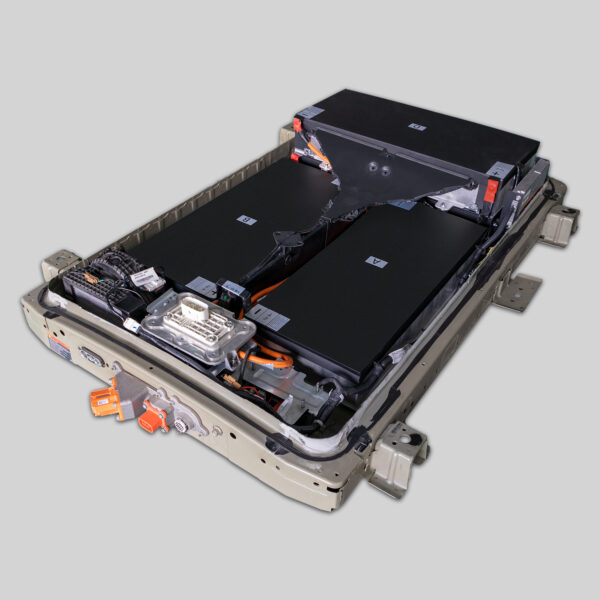
As a specialist in Nissan EV batteries, I often recommend our 62kWh Lithium Battery Packs to customers looking to revitalize their ZE0. Unlike old or refurbished packs that might already have degraded capacity, our batteries utilize brand-new CATL cells.
- New Cell Technology: Brand-new cells have lower internal resistance, which means they perform better in the cold compared to aged cells.
- Superior BMS: Our Battery Management Systems are designed to optimize thermal management, ensuring the cells operate efficiently even when temperatures drop in Spanish winters.
- Peace of Mind: We offer a 2-year / 80,000km warranty, giving you the confidence to drive through any season.
Expert Tip: If you are planning a long road trip from Madrid to the coast this winter, upgrading to a fresh 62kWh pack can eliminate the stress of finding a charging station in the middle of nowhere.
🛣️ Survival Strategy #4: Driving Techniques for Spanish Roads
Adapting your driving style can significantly extend your range.
- Use E-Pedal Mode: In the city (like Barcelona or Valencia), keep E-Pedal mode activated. It allows you to accelerate and decelerate using just the accelerator pedal, maximizing regenerative braking to recapture energy.
- Eco Mode on Highways: When driving on the Autopista, switch to Eco Mode. It limits the maximum power output, encouraging smoother acceleration and reducing the drain on the battery.
- Smooth Braking: Anticipate traffic lights and stops. Hard braking wastes kinetic energy as heat. Gentle coasting allows the regenerative brakes to recharge the battery slightly.
🛠️ Survival Strategy #5: Pre-Trip Planning
Spain has a vast network of charging stations, but planning is key during winter.
- Check Plugs: Most public chargers in Spain use CCS Combo 2 (CCS2) connectors. Ensure your Leaf ZE0 62kWh is equipped with the correct charging port.
- Plan for Stops: If you are driving through the Sierra Nevada or the Pyrenees, where temperatures are lower, plan your charging stops around meal breaks. You can charge while you enjoy a “menu del dia” or a coffee, keeping the car plugged in during the coldest part of your stop.
❓ Frequently Asked Questions (FAQ)
Q1: How much range will I lose in my Leaf ZE0 62kWh during a Spanish winter?
A: You can typically expect a 15% to 25% reduction in range when the outside temperature drops below 10°C (50°F), especially if you are using the heater frequently. For a 62kWh Leaf, this means your effective range might drop from approximately 360km (WLTP) to around 270-300km in mixed city/highway driving with heating.
Q2: Is it bad to charge my Leaf outside in the cold?
A: No, it is perfectly safe. However, charging speed will slow down if the battery is very cold. This is why pre-conditioning (heating the battery while plugged in) is so effective—it warms the battery to allow for faster charging speeds.
Q3: Should I keep my Leaf plugged in when not in use during winter?
A: Yes. Keeping the car plugged in allows the Battery Management System (BMS) to use grid power to maintain the battery at an optimal temperature. This prevents the battery from getting too cold and preserves the charge for your next trip.
Q4: My Leaf is struggling this winter. Is it time for a new battery?
A: If your battery health has dropped below 8-9 bars (or 80% capacity), winter will make it feel almost unusable. Upgrading to a new 62kWh pack is often more cost-effective than buying a new car. At CNS BATTERY, we specialize in high-quality replacements that restore your car to “like new” condition.
📝 Final Thoughts
Owning a Nissan Leaf ZE0 62kWh in Spain is a fantastic experience. While winter brings unique challenges, they are easily manageable with the right knowledge. By utilizing pre-conditioning, driving efficiently, and ensuring your battery is in top health, you can enjoy the full benefits of your EV all year round.
If you are experiencing significant range loss or are considering an upgrade to a new, high-capacity battery to beat the winter blues, our team of technical experts is ready to help.