
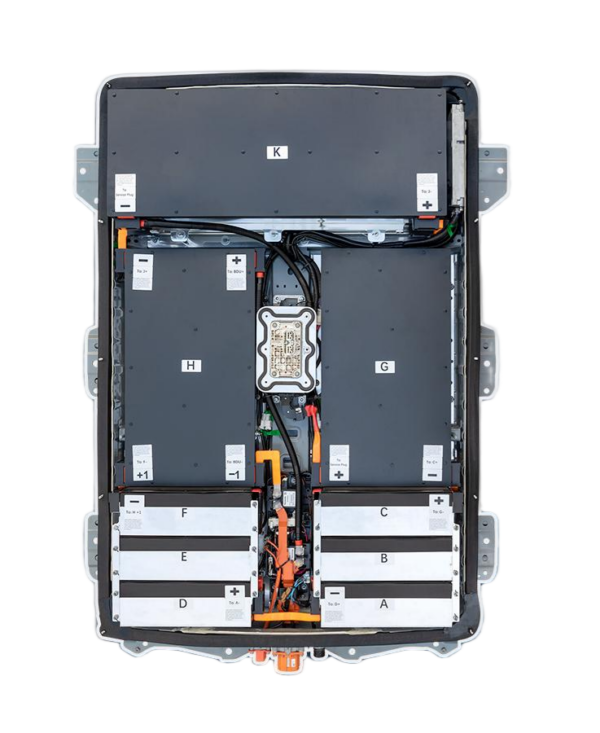
How to Maintain e-NV200 Evalia 50kWh SOH During Freezing Temperatures
As the temperature drops, electric vehicle owners often face the “winter range anxiety” monster. If you drive a Nissan e-NV200 or Evalia with the 50kWh lithium-ion battery pack, you know the struggle is real. Cold weather doesn’t just reduce your driving range; it can also accelerate the degradation of your battery’s State of Health (SOH) if not managed correctly.
At CNS BATTERY, we specialize in OEM-compatible powertrains for Nissan and BMW. We understand that your e-NV200 is likely a workhorse—whether for commercial logistics or family transport. A sudden drop in performance isn’t just inconvenient; it impacts your bottom line or daily routine.
Based on our decade of R&D in lithium battery technology, here is our expert guide to keeping your 50kWh battery healthy and your range optimal, even when the mercury plummets.
Why Does the 50kWh Battery Suffer in the Cold?
Before diving into maintenance, it’s crucial to understand the “why.” Unlike the older ZE0 Leaf chemistry, the e-NV200 Evalia 50kWh pack uses NMC (Nickel Manganese Cobalt) lithium-ion cells. While these offer higher energy density and better long-term cycle life, they are more sensitive to low temperatures than older chemistries.
- Chemical Slowdown: Lithium-ion movement slows down in the cold, increasing internal resistance. This means the battery can’t accept or deliver energy as efficiently.
- Heating Load: Unlike combustion engines that generate waste heat, EVs need to power their heaters directly from the battery. The 50kWh pack has to work harder to keep the cabin warm, draining the battery faster.
- Charging Inhibition: Charging a lithium battery below freezing (0°C / 32°F) can cause lithium plating, a permanent damage mechanism that kills SOH.
4 Essential Maintenance Steps for Winter Survival
To ensure your Nissan e-NV200 battery survives the winter without losing precious capacity, follow these four critical steps:
1. Preconditioning is Your Best Friend
Never start your journey with a “cold” battery. Preconditioning warms the battery to its optimal operating temperature (usually around 20-25°C) before you even leave the driveway.
- How to do it: Plug in your vehicle and start charging before your departure. Most modern charging stations and the vehicle’s timer function allow the battery to warm up using grid power, not your stored battery power.
- Pro Tip: If your vehicle has a heat pump (common in newer 50kWh models), activate it while charging. This ensures the cabin is warm when you get in, preserving your driving range.
2. Avoid “Limp Mode” and Deep Discharges
When the battery is cold, the Battery Management System (BMS) restricts power to protect the cells. You might notice the car going into a “turtle mode” or having sluggish acceleration.
- Action: Do not let the State of Charge (SOC) drop below 20% in freezing conditions. Lithium plating risk increases significantly at low states of charge when temperatures are low. Aim to keep your battery between 20% and 80% during the winter months.
3. Master the Art of Cold Charging
Charging a frozen battery is the fastest way to ruin a 50kWh pack. If the cells are below 0°C, the lithium ions can’t intercalate into the anode properly and instead form a metallic layer on the surface.
- The Rule: Always ensure the battery is above freezing before charging.
- The Hack: If you have a Level 2 (AC) charger, plug in the car 30 minutes before the scheduled charge start time. The charger will often perform a “pre-heat” cycle using a small amount of energy to warm the pack before the main charging begins.
4. Strategic Parking and Insulation
While you can’t insulate the battery pack itself, you can control its environment.
- Park Smart: Whenever possible, park in a garage or under a carport. If you must park outside, avoid areas exposed to strong winds or snowdrifts.
- Tire Pressure: Cold tires increase rolling resistance. Check your tire pressure weekly in winter, as pressure drops by about 1 PSI for every 10°F drop in temperature.
When Winter Maintenance Isn’t Enough: The Upgrade Solution
If you’ve followed these steps and your e-NV200 Evalia still can’t keep up with your needs, it might be time to consider the root cause: battery age and capacity degradation.
The original 50kWh packs, while reliable, have a finite lifespan. If your SOH has dropped below 70%, no amount of winter maintenance will restore the lost range. This is where a strategic upgrade becomes an investment, not an expense.
Why Choose a CNS BATTERY 50kWh Pack?
At CNS, we don’t just sell batteries; we sell range security. Our Nissan e-NV200 battery solutions are engineered to exceed OEM standards while solving the specific pain points of cold-weather driving.
- Brand New CATL Cells: Unlike refurbished units that might already be degraded, our packs use brand-new, top-tier cells from CATL. Newer cells have lower internal resistance, meaning they perform better in the cold than a 5-7 year old OEM pack.
- OEM Compatibility: We understand you need a plug-and-play solution. Our packs are designed for perfect compatibility with the e-NV200 Evalia chassis and BMS, requiring zero modifications.
- Cost Efficiency: Replacing an old battery with a new CNS unit costs roughly 50% less than an OEM replacement, instantly revitalizing your vehicle’s value and utility.
Real-World Result: One of our customers in Canada, Thomas B., upgraded his 2022 e-NV200. He reported that even in high temperatures of 38°C (which also stresses batteries), our pack discharged stably. In winter, the superior thermal management of a new pack ensures he maintains over 330km of real-world range, even with the heater on.
Frequently Asked Questions (FAQ)
Q1: Can I use a block heater or external heater for my e-NV200 battery?
A: While the OEM pack doesn’t come with an external heater port, our CNS engineering team can provide technical guidance for custom thermal management setups if you operate in extreme climates (below -20°C). However, for most users, preconditioning via the charger is sufficient.
Q2: What is the ideal charging percentage for my 50kWh battery during winter storage?
A: If you plan to store your e-NV200 for an extended period during freezing temperatures, store it at approximately 50% to 60% charge. This is the “sweet spot” for minimizing chemical stress on lithium-ion cells in cold storage.
Q3: How do I check the SOH of my Nissan e-NV200 battery?
A: You can check the SOH using an OBD2 scanner compatible with Nissan vehicles (such as LeafSpy or a professional CONSULT-III tool). Look for the “Battery Capacity” or “SOH” parameter. If it reads below 10 bars (or 240Ah) on a 50kWh pack, it is significantly degraded.
Q4: Is the CNS 50kWh battery compatible with my specific e-NV200 model year?
A: Our packs are designed to cover a wide range of model years. To ensure perfect compatibility, we offer a free VIN compatibility check. Simply provide your Vehicle Identification Number to our technical experts, and we will confirm the fitment before you purchase.
Don’t let freezing temperatures sideline your Nissan e-NV200 Evalia. Whether you need expert advice on winter maintenance or are considering a high-performance replacement to restore your range, CNS BATTERY is here to help.
Get a Free Custom Quote for your e-NV200 50kWh battery solution today and ensure your vehicle is ready for any weather.

