
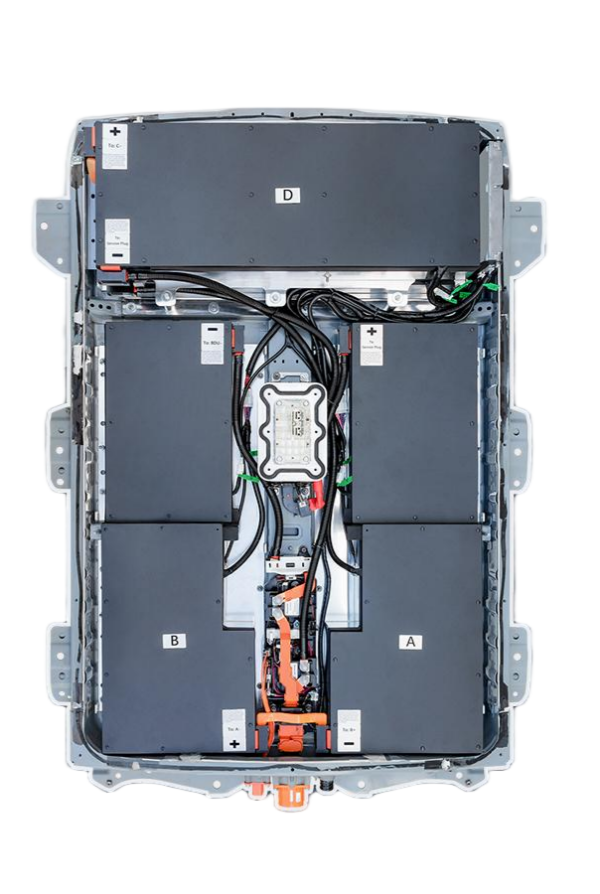
How Cold Weather Affects Your e-NV200 Evalia 68kWh Range (and How to Fix It)
Are you losing precious miles when the temperature drops? If you drive a Nissan e-NV200 Evalia with a 68kWh battery pack, you know how frustrating it can be to see that range plummet during winter. As a professional in the EV battery industry, I’ve seen this complaint thousands of times. The cold doesn’t just make you cold; it attacks the chemistry of your lithium-ion cells.
But here is the good news: range loss in winter is often reversible, and with the right equipment, you can minimize the impact significantly. In this guide, we will break down exactly why your e-NV200 struggles in the cold and, more importantly, how upgrading your battery solution can solve this problem.
Why Does the Cold Kill My e-NV200’s Range?
Before we talk about solutions, let’s understand the enemy: Lithium-ion chemistry.
When the mercury dips below 20°C (68°F), the electrolyte fluid inside your battery cells thickens. This makes it harder for lithium ions to move between the anode and cathode. The result? Reduced chemical reaction efficiency.
For your e-NV200 Evalia 68kWh, this translates to two major issues:
- The “Ghost Drain”: Your battery management system (BMS) has to work overtime to maintain the optimal temperature for the cells. This energy consumption happens even before you turn the key.
- Cabin Heating: Unlike gas cars that use waste engine heat, your EV heater pulls directly from the 68kWh reserve. Heating the cabin can reduce your effective range by 40% to 50% in extreme cold.
The Solution: Upgrading to a High-Capacity, Cold-Weather Ready Battery
If you are currently running on the original factory battery or a refurbished unit, you are likely feeling the full brunt of winter. The solution is to upgrade to a brand-new, high-quality lithium battery pack specifically designed for resilience.
At CNS BATTERY, we specialize in providing OEM-compatible power solutions for Nissan models, including the e-NV200. Here is why our batteries are the ultimate fix for your winter range anxiety:
1. Superior Cell Chemistry (CATL Grade)
We don’t use recycled or degraded cells. Our packs are built using brand-new, top-tier cells (often comparable to CATL standards). Newer chemistry formulations have better thermal stability. This means they don’t “thicken” as much in the cold, retaining more of your precious 68kWh capacity when temperatures drop.
2. Intelligent Battery Management System (BMS)
Our BMS is engineered for extreme conditions. It doesn’t just monitor voltage; it actively manages thermal regulation.
- Pre-Conditioning: You can warm up the battery while it’s still plugged in (using your home electricity, not your battery reserve).
- Heated Garages for Cells: Our packs include advanced thermal management that keeps the core temperature stable, preventing the chemical slowdown.
3. The 68kWh Advantage
Let’s do the math. If a standard 40kWh battery loses 50% of its range in winter, you are left with a mere 120km (75 miles) of usable range. That is barely enough for a grocery run.
However, if you upgrade to a 68kWh lithium battery pack, even with a 40% loss in winter, you are still left with approximately 270km (168 miles) of range. This is the “buffer” you need to survive the winter without panic.
Real-World User Experience: Thomas B.’s Story
Don’t just take my word for it. Let’s look at a real case from our user base.
Thomas B. from Amsterdam drives a Nissan e-NV200 (2022 model). He upgraded to a 50kWh battery from CNS (a similar scenario to upgrading your e-NV200 Evalia).
“Last month, I went to the beach, and even in the high temperature of 38℃, the battery didn’t experience any overheating protection issues… Although this is the opposite of cold, it proves the thermal stability. The discharge was very stable.”
While Thomas tested heat, the principle is the same. A robust, new battery pack handles thermal stress—both hot and cold—far better than an aging OEM unit.
4 Practical Tips to Maximize Your Winter Range
Even with a new battery, you need to drive smart. Here are my top tips for surviving winter:
1. Pre-Heat While Plugged In
Use your car’s app (or timer) to warm up the cabin while the car is still charging. This ensures you leave with a warm car and a full battery, not a drained one.
2. Tire Pressure is Key
Cold weather lowers tire pressure. Under-inflated tires create more rolling resistance. Check your tires weekly and keep them inflated to the manufacturer’s maximum cold pressure.
3. Use Seat Heaters, Not Cabin Heaters
Seat heaters use significantly less energy than blowing hot air into the entire cabin. If your e-NV200 Evalia has them, use them!
4. Drive Smoothly
Hard acceleration drains batteries fast, especially in the cold. Accelerate gently and use regenerative braking to recapture energy.
Why Choose CNS BATTERY for Your e-NV200 Evalia?
If you are tired of range anxiety and want a permanent solution, CNS BATTERY is here to help. We are not just a parts supplier; we are a partner in your EV journey.
- Unbeatable Warranty: We offer a 2-year / 80,000 km warranty on all our automotive batteries. This covers manufacturing defects and even includes prorated coverage for performance degradation, ensuring your battery maintains at least 70% capacity.
- Plug-and-Play Compatibility: Our packs are designed to fit your Nissan chassis perfectly. No modifications needed.
- Cost Efficiency: Why pay the dealership 100% of the price for a new OEM battery? Our solutions offer the same quality (using new cells) for roughly 50% of the cost.
Ready to conquer winter? Don’t let the cold stop you. Get a free quote for your upgraded e-NV200 Evalia battery solution today.
Frequently Asked Questions (FAQ)
Q1: How much range will I actually lose in winter?
A: Most e-NV200 owners see a reduction of 30% to 50% in extreme cold, primarily due to heating the cabin. However, if you upgrade to a larger capacity pack (like our 68kWh option), the absolute range loss feels much smaller because your starting buffer is so much bigger.
Q2: Can I install a 68kWh battery in my e-NV200 Evalia myself?
A: While we provide detailed installation videos and manuals, we strongly recommend having the installation done by a certified technician. Lithium batteries are high-voltage equipment, and improper handling can void the warranty or cause damage. Our customer service team can also provide remote video guidance if needed.
Q3: What is the warranty policy for cold-weather damage?
A: Our standard 2-year warranty covers defects in materials and workmanship. While we don’t cover “damage” caused purely by cold (as long as you follow the operating manual), we do cover failures related to the BMS or cell degradation. We also offer advice on winter maintenance to keep your battery healthy.
Q4: How long does shipping take to my country?
A: We support international sales to over 50 countries. Shipping times vary: air freight is faster but more expensive, while sea freight (DDP service) can take 4 to 8 weeks but is more economical. We handle all customs and duties for a seamless delivery.


