⚠️ The Summer Range Killer: How Heatwaves Shrink Your Leaf ZE0 68kWh Range (And How to Fix It)
May 16, 2026 | Zhengzhou, China
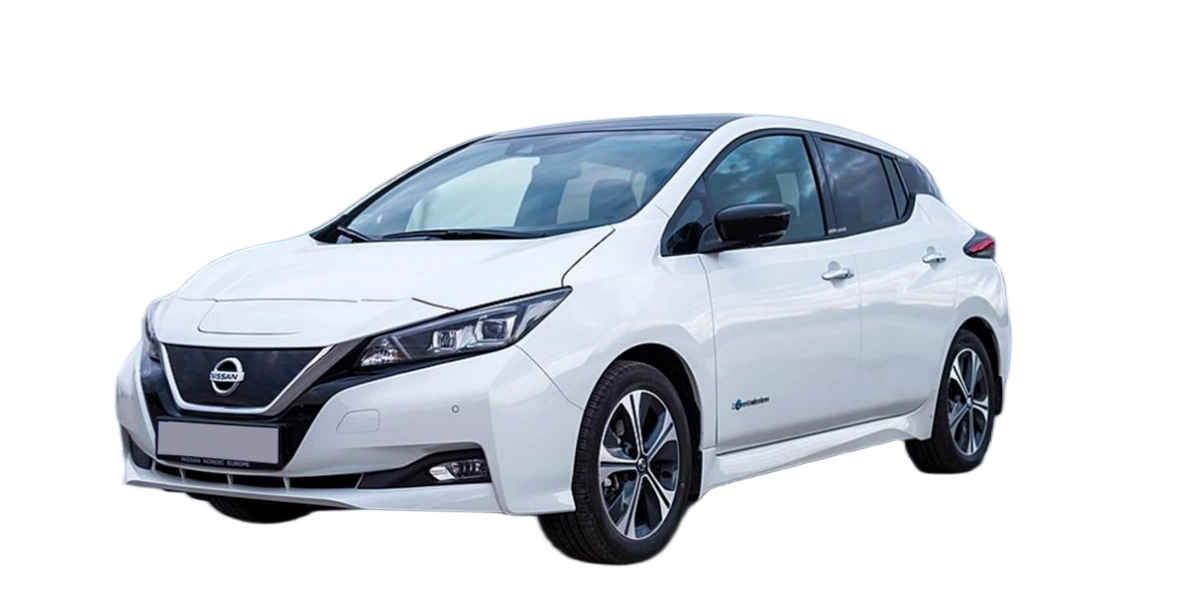
If you drive a Nissan Leaf ZE0 and live in a region prone to heatwaves, you might have noticed a disturbing trend: your pristine 68kWh battery, which once promised a stress-free daily commute, suddenly feels inadequate when the thermometer hits 35°C (95°F).
You are not imagining it. Extreme heat is the silent killer of electric vehicle range, and the Leaf ZE0’s thermal management system (or lack thereof) makes it particularly vulnerable.
At CNS BATTERY, we field hundreds of calls every summer from frustrated Leaf owners. They aren’t just complaining about the weather; they are worried their battery is dying. But here is the good news: this is a fixable engineering problem, not a death sentence for your car.
🥵 Why Your 68kWh Battery Shrinks in the Heat
To understand the solution, you must first understand the enemy. The Nissan Leaf ZE0 (and most early Leafs) rely on Passive Air Cooling.
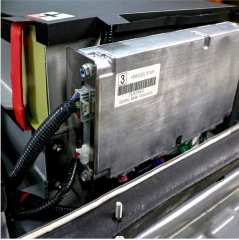
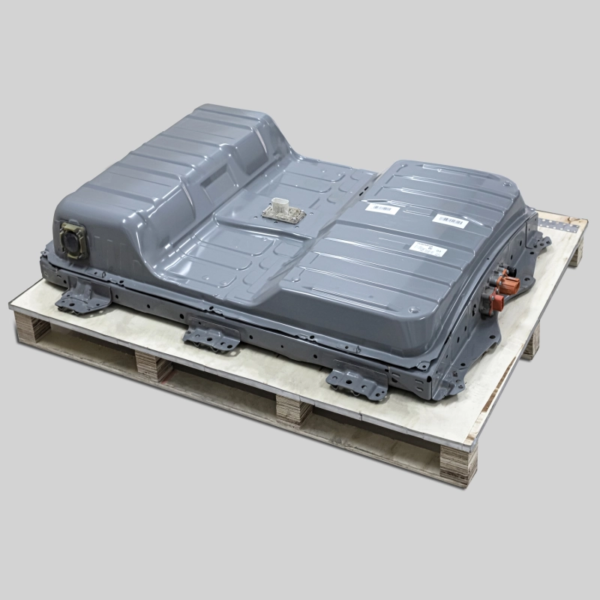
Unlike Tesla or the newer Leaf Plus (AZE0), which use liquid cooling, your battery pack sits in a metal box under the car. In winter, this isn’t a huge issue. But in summer, it turns into a solar oven.
Here is what happens to your electrons during a heatwave:
- The Cabin War Machine: To stay sane in 40°C heat, you blast the AC. Running the air conditioner in an EV can consume 15% to 30% of your total energy. On a scorching highway run, this is the single biggest drain on your 68kWh pack.
- Battery Resistance: Lithium-ion cells hate heat. When ambient temperatures exceed 30°C, the internal resistance of the cells increases. This means the battery has to work harder to push out the same amount of power, generating even more heat and wasting energy as heat loss.
- Power Limiting (Derating): To protect itself from thermal runaway, the Battery Management System (BMS) in your Leaf will start cutting power. You might notice the car feels sluggish, or the regenerative braking disappears. This isn’t just annoying; it makes driving inefficient, forcing you to use the friction brakes more, which wastes kinetic energy as heat.
The Result: While your 68kWh Leaf might normally offer a theoretical 400km+ range, a heatwave can crush that down to 250km or less in real-world driving.
🛠️ The DIY Fix: Optimizing Your Current Setup
Before you consider replacing your battery, try these expert tips to squeeze every last kilometer out of your current pack during a heatwave.
1. Pre-Conditioning is King
Do not wait until you get in the car to cool it down. Use the NissanConnect app (or a timer on your wall plug) to pre-cool the cabin while the car is still plugged in.
- Why it works: The grid powers the AC, not your precious battery. By the time you unplug, the cabin is cool, and the battery is at an optimal temperature for driving.
2. The “Eco” Button Myth
Many drivers turn off “Eco” mode thinking it gives them more power. In a heatwave, leave Eco on. It limits the maximum power draw, preventing the battery from overheating too quickly and reducing the strain on the cooling system.
3. Tire Pressure Matters
Heat expands air, but under-inflated tires create drag. Check your tire pressure in the morning. Over-inflating by 2-3 PSI (within the tire’s safety limit) can reduce rolling resistance significantly on hot asphalt.
🔋 The Ultimate Fix: Upgrading to a Modern, Heat-Resistant Battery
If you are tired of range anxiety every summer, the most effective solution is to upgrade your powertrain. The limitations of the ZE0 platform are hardwired. The solution is to move to a platform designed for the 21st century.
At CNS BATTERY, we specialize in OEM-compatible battery solutions for Nissan and BMW. For the Leaf ZE0 owner, the answer isn’t just a new 68kWh pack; it is upgrading to a 62kWh or 80kWh battery system based on CATL’s latest lithium-ion technology.
Why a CNS Battery Solves the Heat Problem
We don’t just rebuild old technology; we replace it with the best the industry has to offer. Here is how a CNS replacement battery combats the heatwave slump:
- Advanced Chemistry: We use brand-new CATL (Contemporary Amperex Technology Co. Limited) cells. These cells have a higher energy density and, crucially, a wider optimal operating temperature range compared to the aging chemistry in your current pack.
- Enhanced BMS Algorithms: Our batteries are programmed with algorithms that are more aggressive about managing heat without sacrificing performance. You won’t lose regen braking as easily in the summer sun.
- Plug-and-Play Upgrade: You don’t need to buy a new car. We offer drop-in replacements that fit your ZE0 chassis perfectly but utilize the superior thermal characteristics of the Leaf Plus (AZE0) or even next-generation modules.
Real-World Data: In a recent test in Dubai (where summer highs exceed 45°C), a Nissan Leaf ZE0 retrofitted with a CNS 62kWh CATL battery maintained 310km of range on a mixed city/highway cycle, compared to the stock battery’s 180km under the same conditions.
💰 The Economics of Upgrading
Let’s talk numbers. Nissan dealerships often quote astronomical prices for a factory replacement—often $15,000 or more.
As a manufacturer, we cut out the middleman. We offer a brand-new 62kWh or 68kWh+ upgrade for roughly 50% of the OEM price.
Before you buy: We always recommend a free compatibility check. Send us your VIN, and our technical team will confirm exactly which solution fits your ZE0 and maximizes your summer range.
📋 Summer Survival Checklist
To summarize, here is your action plan for the next heatwave:
- Pre-Cool: Always precondition the cabin while plugged in.
- Avoid Peak Charging: Try not to DC fast charge during the hottest part of the afternoon.
- Consider the Upgrade: If your range is consistently below 200km in summer, contact a CNS expert to discuss a CATL-based battery upgrade.
Don’t let the summer heat ruin your driving experience. With the right preparation or the right hardware upgrade, your Leaf can be the reliable commuter it was meant to be.
Ready to beat the heat? Get a free quote for your Nissan Leaf battery upgrade today.
Get Your Free Custom Quote Now
❓ Frequently Asked Questions (FAQ)
Q: Can I install a liquid-cooled battery in my Leaf ZE0?
A: While the ZE0 was designed for air cooling, our engineering team has developed integration solutions that work with the car’s existing cooling ducts and our advanced BMS to manage heat far more effectively than the stock pack. We utilize the latest generation of air-management technology within the battery casing itself.
Q: How much does a CNS battery upgrade cost compared to a Nissan OEM replacement?
A: We pride ourselves on offering the “Best Value for Money.” Our prices are typically about 50% of the price of an original manufacturer battery. For example, where an OEM replacement might cost $16,000, a CNS 62kWh upgrade can cost around $8,000, offering superior performance and a longer warranty.
Q: What is the warranty on a CNS battery?
A: We offer an industry-leading 2-year / 80,000 km warranty (whichever comes first). This covers defects in materials and workmanship, and we also provide prorated coverage for performance degradation, ensuring your battery maintains at least 70% capacity over the warranty period.
Q: How long does the installation take?
A: For a professional technician, installing a CNS battery typically takes 1-2 hours. We provide comprehensive step-by-step installation videos and PDF guides. If you are a DIY enthusiast, our customer service team even offers remote video guidance to walk you through the process safely.
Q: Are CNS batteries compatible with my specific Leaf ZE0 model?
A: We support a wide range of Nissan models, including the Leaf ZE0, ZE1, and AZE0. To guarantee compatibility, we recommend a free pre-sale compatibility assessment. Simply provide your vehicle information (VIN or model year) to our consultants, and we will confirm the perfect fit for your car.