🌬️ The Ultimate Guide to Passive Cooling for Nissan e-NV200 & Renault Kangoo E-Valia Owners
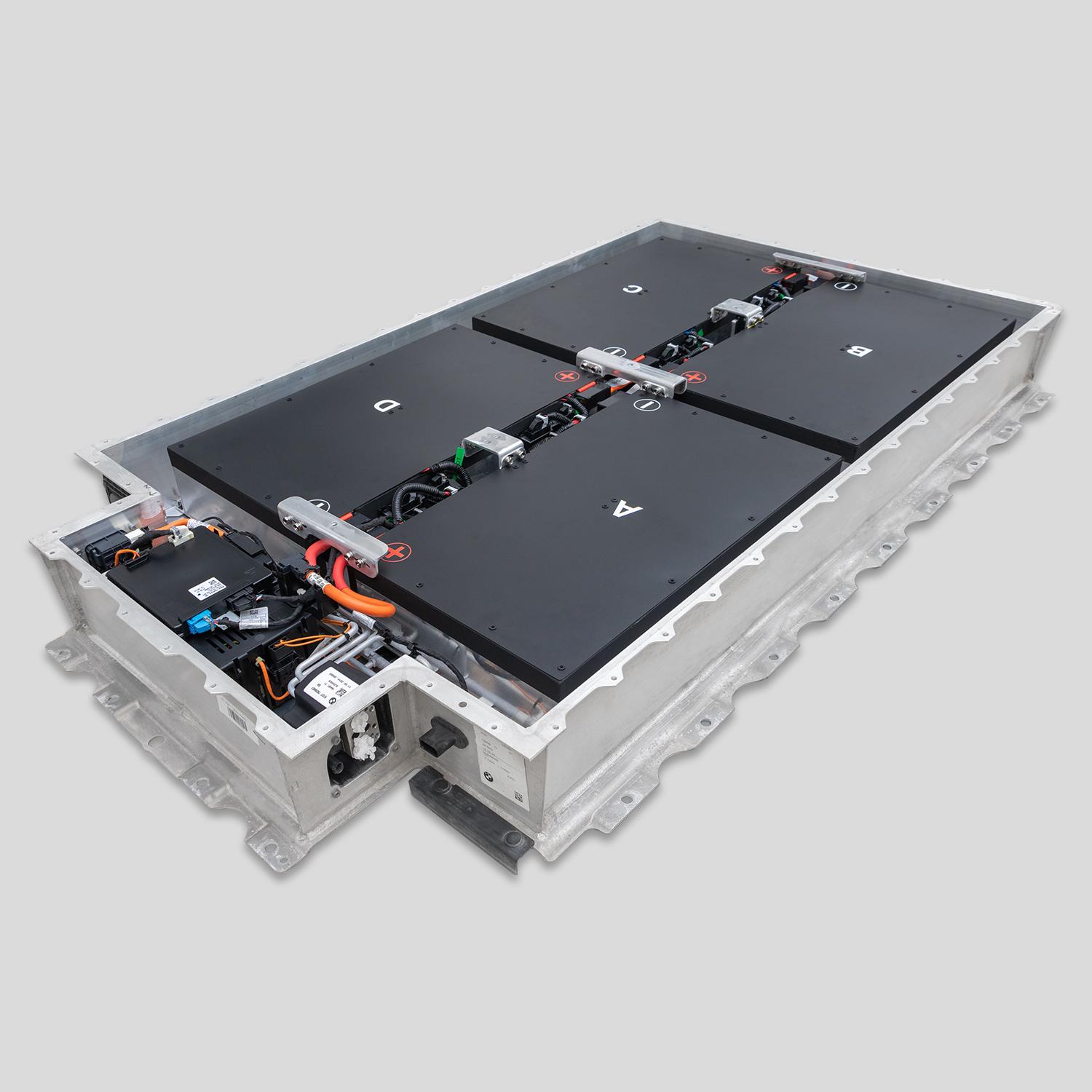
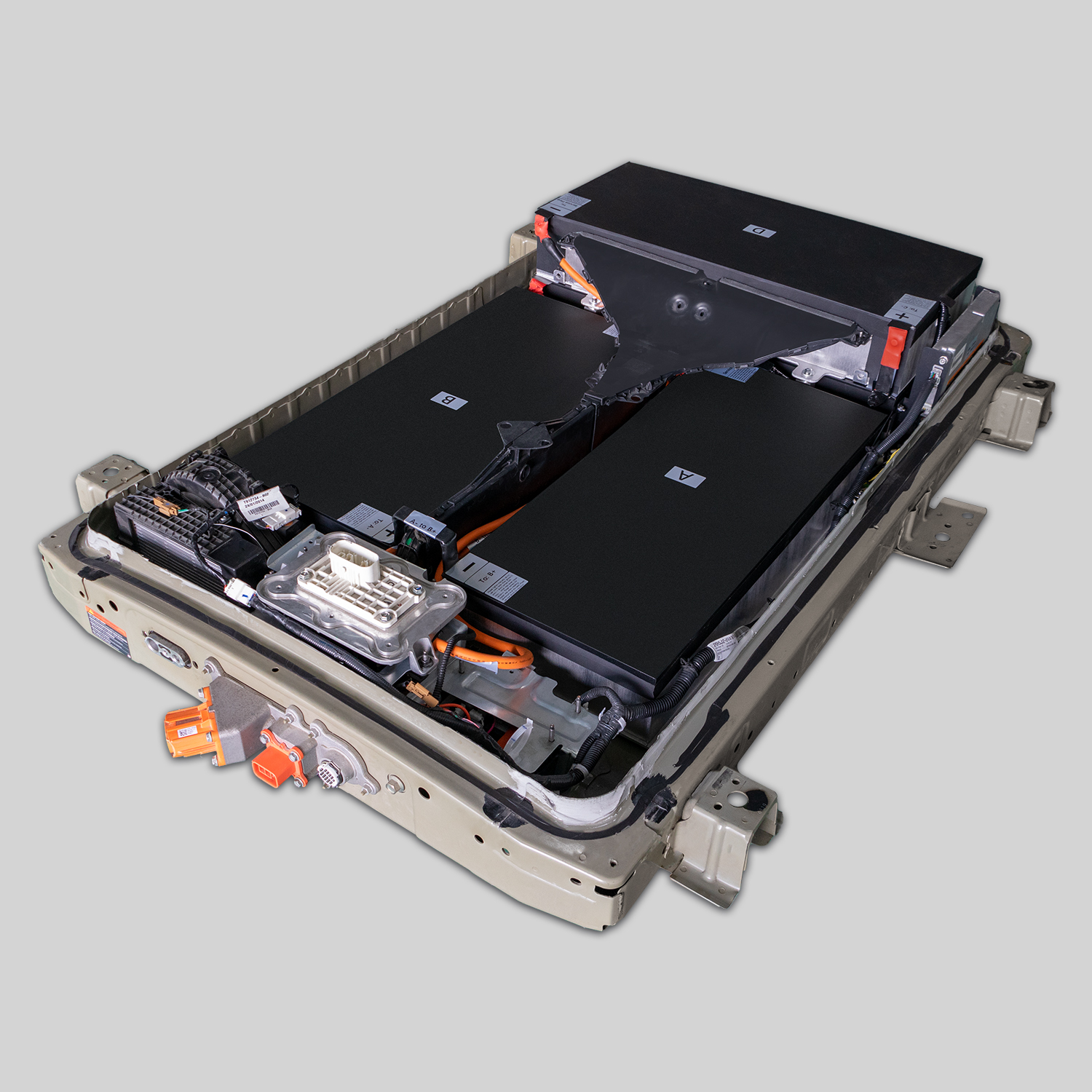
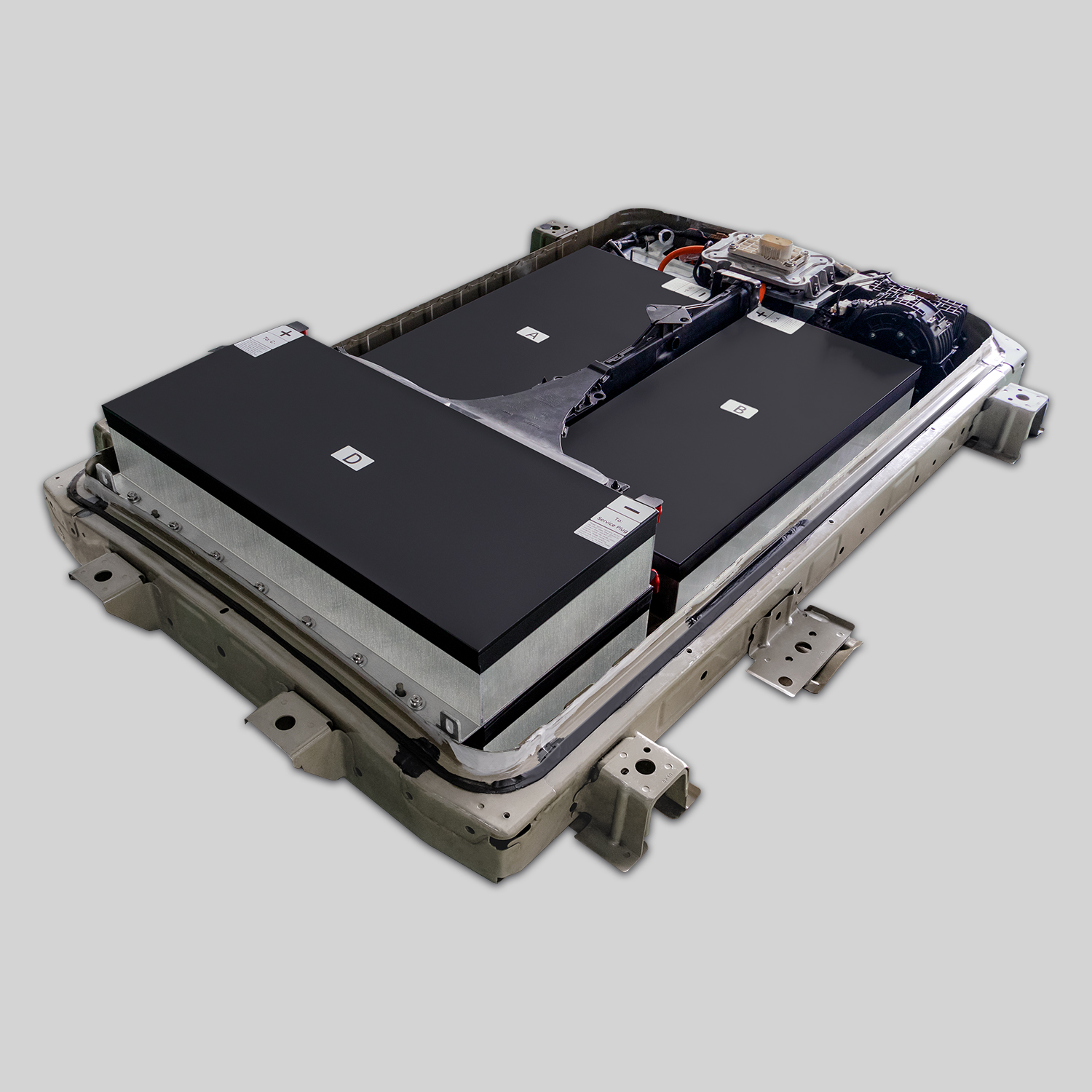
Note: While the provided web content focuses on Nissan Leaf (ZE0/AZE0/ZE1) and BMW i3 batteries, the principles of battery chemistry and thermal management are universal. This guide is written from the perspective of a battery expert to help you understand the unique challenges of passive cooling in LFP (Lithium Iron Phosphate) and NMC batteries, specifically for light commercial vehicles like the Nissan e-NV200 and Renault Kangoo E-Valia.
🤔 Why Passive Cooling is a Double-Edged Sword
Unlike modern Teslas or BMWs that use complex liquid cooling systems to keep batteries at a perfect temperature, the Nissan e-NV200 and Renault Kangoo E-Valia rely on Passive Air Cooling. This means the battery pack is cooled (or heated) by the ambient air flowing around it, rather than a dedicated coolant liquid.
The Physics of Heat
Lithium-ion batteries are sensitive creatures. They love a “Goldilocks Zone” of temperature—roughly 20°C to 35°C. When you drive, the chemical reactions inside the battery generate heat. In an active cooling system, a pump circulates coolant to dissipate this heat. In a passive system, this heat has to escape naturally.
The “Thermal Runaway” Risk
If an e-NV200 battery gets too hot (above 60°C), the internal resistance drops, causing even more current to flow, which generates even more heat. This dangerous cycle, if unchecked by a sophisticated Battery Management System (BMS), can lead to permanent damage or, in extreme cases, fire. Passive cooling relies entirely on the BMS cutting power to protect itself, which is why you might experience sudden “limp mode” on a hot day.
📈 The Upgrade Path: From NMC to LFP (and why heat matters)
Many e-NV200 and Kangoo owners are upgrading from the original degraded NMC (Nickel Manganese Cobalt) batteries to modern LFP (Lithium Iron Phosphate) batteries. As a battery expert, I often get asked: “Will an LFP battery work with my passive cooling system?”
The answer is yes, but with critical considerations.
| Feature | Original NMC (e-NV200) | Upgraded LFP (Aftermarket) |
|---|---|---|
| Heat Tolerance | Lower (Degrades faster in heat) | Higher (More thermally stable) |
| Cold Weather | Better performance in cold | Needs heating for optimal charging |
| Cooling Method | Passive Air (Ventilated) | Passive Air (Ventilated) |
| Risk | Swelling, Capacity Fade | Thermal Shutdown if BMS fails |
The Expert Verdict on LFP Upgrades
Switching to an LFP battery is generally safer for passive cooling systems because LFP chemistry is inherently more stable and less prone to thermal runaway than NMC. However, the BMS programming is everything. If you are upgrading your e-NV200 or Kangoo battery, you must ensure the new BMS is programmed to understand the limitations of passive cooling.
⚠️ Real-World Scenarios: When Passive Cooling Fails
Based on our technical support logs, here are the top scenarios where passive cooling causes problems for e-NV200 and Kangoo owners, and how to fix them:
1. The “Summer Highway Limp Mode”
The Problem: You’re cruising on the highway at 110 km/h, and suddenly the car cuts power. The dashboard shows a battery warning.
The Cause: At high speeds, aerodynamics change. Instead of cool air flowing through the battery vents, hot air from the motor rushes over the battery pack. Since there is no liquid to absorb the spike, the cells overheat instantly.
The Fix: If you are using an aftermarket battery (like those we customize), ensure the BMS has a “High-Speed Heat Buffer” setting. This slightly reduces maximum output during long高速 runs to prevent thermal spikes.
2. The “Parking Lot Surprise”
The Problem: The car won’t charge after being parked in the sun for 4 hours.
The Cause: The metal chassis of the e-NV200 acts like an oven. The battery sits directly under the floor, absorbing heat from the asphalt. The internal temperature can soar to 70°C, triggering the BMS to block charging to prevent explosion.
The Fix: Never charge immediately after driving in summer. Let the battery cool down for 20-30 minutes. For upgraded packs, installing an additional ventilation duct (DIY) can help draw cooler air from under the front seats.
3. The “Winter Charging Nightmare”
The Problem: In freezing European winters, the car refuses to accept charge.
The Cause: Lithium batteries cannot be charged below 0°C without damaging the anode. Passive cooling systems have no heater, so if the car sits outside, the cells freeze.
The Fix: This is where modern LFP upgrades shine. A good aftermarket LFP kit includes a Battery Pre-Heating Function. The BMS will use a small amount of energy to warm the cells internally before allowing the charge to start, something the original e-NV200 system often lacked.
🛠️ Pro Tips for Maintaining Your Passively Cooled Battery
Whether you have the original battery or a new upgrade, follow these expert tips to maximize lifespan:
- Keep the Vents Clear: This sounds obvious, but mud, leaves, and snow often block the vent grilles under the car. Check them monthly.
- Avoid “Topping Off” in Heat: Try not to leave the battery at 100% State of Charge (SoC) on hot days. Heat + Full Charge = Fast degradation. Keep it at 80-90% if parked in the sun.
- The “Garage Rule”: If you have a garage, use it. Even a shaded spot reduces the undercarriage temperature by 20°C+ compared to direct sunlight.
💡 Frequently Asked Questions (FAQ)
Q1: Can I add a liquid cooling system to my e-NV200 or Kangoo?
A: Technically, yes, but it is not recommended. Retrofitting liquid cooling requires modifying the battery casing, adding pumps, radiators, and coolant lines. The complexity, weight, and risk of leaks far outweigh the benefits for a vehicle designed for passive airflow. A better solution is to upgrade to a high-quality LFP battery with a robust BMS that manages heat through software limits.
Q2: My e-NV200 battery warning light came on. Is it safe to drive?
A: Stop driving immediately. The warning light usually indicates the BMS has detected a temperature imbalance or a “cell divergence” (where one cell is much hotter than the others). Continuing to drive could cause a short circuit. Let the car sit in a cool, shaded area for a few hours. If the light persists, you likely have a faulty temperature sensor or a dead cell group that needs replacement.
Q3: Are aftermarket batteries reliable for passive cooling?
A: It depends entirely on the manufacturer. Many cheap aftermarket batteries ignore the thermal limits of the e-NV200/Kangoo chassis. When you upgrade, ensure the supplier provides a BMS specifically tuned for “Air-Cooled” applications. We recommend asking for the “Thermal Protection Curve” of the BMS before purchasing.
Q4: How does an LFP upgrade affect the range in winter?
A: LFP batteries generally have poorer cold-weather performance than NMC. However, modern LFP upgrades (like those we engineer) include Active Pre-Heating. This means the range drop in winter is minimal (about 10-15%) compared to the original battery, which could lose 30-40% of its range in freezing temperatures.
📩 Ready to Upgrade Your Battery?
If you are struggling with range anxiety or thermal management issues in your Nissan e-NV200 or Renault Kangoo E-Valia, it might be time for a professional battery upgrade. Don’t let passive cooling limitations hold you back.
Contact our technical experts now for a free, no-obligation quote. We specialize in custom-tuned LFP solutions that are perfectly adapted to the thermal characteristics of your vehicle.