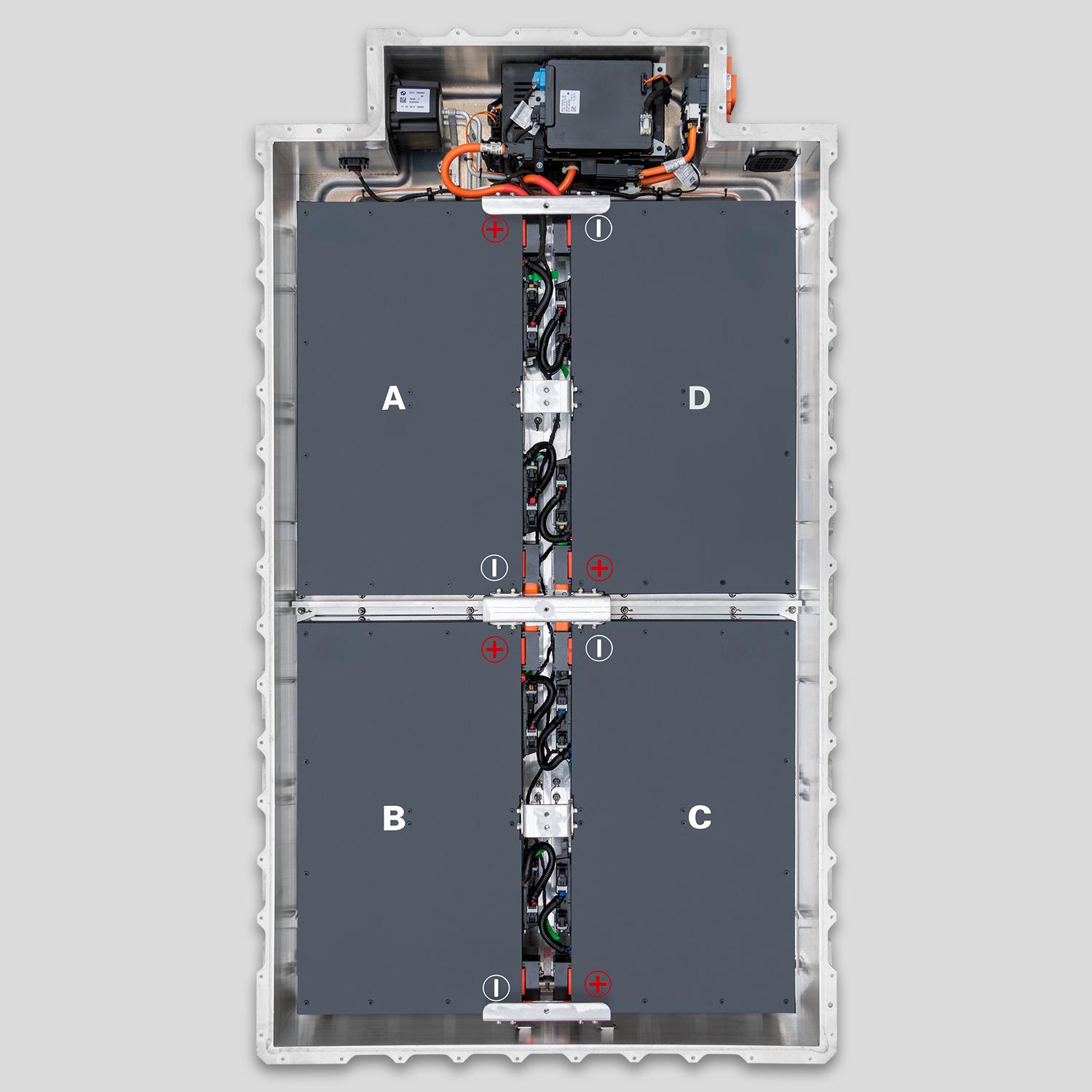
🌡️ Fixing Nissan Leaf Thermal Management Issues: A Step-by-Step Guide
If you own a Nissan Leaf, you know that battery longevity is directly tied to how well the battery stays cool. Over time, the thermal management system (TMS) in older models (especially the 24kWh and 30kWh variants) can struggle to dissipate heat efficiently. This leads to accelerated battery degradation, reduced range, and the dreaded “Power Loss” warnings.
At CNS BATTERY, we don’t just sell replacement packs; we engineer solutions to fix the root causes of battery failure. If you’re facing overheating issues, replacing your pack with a modern, thermally optimized solution is the ultimate fix.
Why Does Your Nissan Leaf Overheat?
Before we dive into the fix, it’s crucial to understand the enemy: heat.
The early generations of the Nissan Leaf relied on passive air cooling. Unlike modern EVs with liquid cooling, these systems depend on ambient air to regulate the temperature of the lithium-ion battery cells.
Here is why this fails:
- Dust and Debris: The air intake filters clog over time, restricting airflow.
- Thermal Runaway: When one cell gets hot, it heats up its neighbors. Without active liquid cooling, this heat has nowhere to go.
- Seasonal Stress: Summer driving or fast charging can push the pack beyond its safe operating temperature (typically above 45°C).
Expert Insight: At CNS, our data shows that batteries operating consistently above 40°C degrade 3 times faster than those kept within the optimal range.
🛠️ The Solution: Upgrading to a Modern Battery Pack
The most effective way to “fix” thermal management issues is not to repair the old system, but to replace it with a superior one. We recommend upgrading to a 40kWh, 62kWh, or even 68kWh lithium battery pack.
1. Advanced Cell Chemistry (The Core Difference)
Our replacement packs utilize brand-new, high-quality battery cells from top-tier manufacturers like CATL. These modern NMC (Lithium Nickel Manganese Cobalt Oxide) cells are fundamentally different from the older chemistries used in early Leafs.
- Lower Internal Resistance: Newer cells generate significantly less heat during charging and discharging.
- Thermal Stability: Advanced engineering ensures the cells themselves are less prone to thermal runaway.
2. Optimized Pack Design
While the Nissan Leaf chassis remains the same, our engineering team has redesigned the internal architecture for better heat dissipation.
- Improved Airflow Channels: We re-engineer the spacing between modules to allow for better convection currents, even within the passive cooling constraints.
- High-Efficiency BMS: Our Battery Management System (BMS) is programmed with aggressive thermal protection algorithms. If temperatures rise, the BMS will preemptively throttle power to protect the cells, preventing permanent damage.
3. The Range & Reliability Bonus
When you fix the thermal issues, you get two major side benefits:
- Extended Range: Upgrading from a degraded 24kWh to a new 62kWh pack boosts your range from ~80 miles to over 200 miles.
- Zero-Failure Reliability: With new cells and a robust BMS, you eliminate the anxiety of sudden power loss.
📊 Comparison: Old vs. New Thermal Management
| Feature | Old 24kWh/30kWh Pack | New CNS 40kWh/62kWh Pack |
|---|---|---|
| Cell Technology | Older Generation (High heat output) | Brand New CATL Cells (Low heat output) |
| Cooling Method | Basic Passive Air (Easily clogged) | Enhanced Passive Air (Optimized airflow) |
| BMS Protection | Basic Temperature Monitoring | Advanced Active Thermal Management |
| Heat Buildup Risk | High (Leads to swelling/degradation) | Low (Stable long-term performance) |
| Warranty | None (Out of warranty) | 2 Years / 80,000 km |
📝 Step-by-Step: Installing Your Thermal Solution
Replacing your battery isn’t just a repair; it’s a restoration. Follow this guide to ensure a smooth installation and optimal thermal performance.
Step 1: Pre-Installation Check (The VIN Scan)
Before you order, verify compatibility. Not all Leafs are the same. Use your VIN number to confirm whether you have a ZE0, AZE0, or ZE1 chassis. This ensures the battery dimensions and connectors match perfectly, preventing installation errors that could trap heat.
Step 2: Safe Removal of the Old Pack
Safety first! Always disconnect the 12V auxiliary battery before starting.
- Lift the vehicle securely.
- Remove the undertray.
- Disconnect the high-voltage cables and auxiliary connectors.
- Remove the mounting bolts. Pro Tip: Clean the mounting points of any old debris or rust to ensure the new pack sits flush, maximizing contact with the cooling air channels.
Step 3: Installing the CNS Battery
Our packs are designed for Plug-and-Play installation.
- Carefully lower the new pack into place.
- Reconnect all harnesses. Our connectors are color-coded to match the OEM standard, ensuring you don’t cross wires (which could cause shorts and heat spikes).
- Torque the bolts to the manufacturer’s specification.
Step 4: BMS Programming & Testing
This is the most critical step for thermal management.
- Reconnect the 12V battery.
- Turn the key to “ON” (do not start).
- The BMS will perform a self-check. Wait for the “Ready” light.
- Use a diagnostic tool to verify the temperature sensors are reading correctly (should match ambient temperature).
💡 Pro Tips for Long-Term Thermal Health
Even with a new pack, your driving habits matter. Here is how to keep your new Nissan Leaf battery running cool:
- Avoid “Topping Off”: Try not to keep the battery at 100% State of Charge (SoC) for extended periods, especially in hot weather. Keep it between 20% and 90% when parked.
- Park in the Shade: This is the simplest form of passive cooling.
- Regular Maintenance: Check the air intake filter every 6 months. A clean filter is the first line of defense against overheating.
📨 Ready to Fix Your Nissan Leaf?
Don’t let thermal management issues kill your EV journey. Upgrading to a CNS BATTERY isn’t just about getting a new battery; it is about upgrading to a safer, cooler, and longer-lasting powertrain solution.
We offer free compatibility checks and personalized consultations to ensure you get the right pack for your specific Leaf model.
Get Your Custom Quote Now and Drive with Confidence!
❓ Frequently Asked Questions (FAQ)
Q1: Will a new battery pack actually fix the overheating problem in my Nissan Leaf?
A: Absolutely. While the external cooling system (fan/vents) remains the same, the internal heat generation is drastically reduced. Our new CATL lithium battery cells have much lower internal resistance than old, degraded cells, meaning they produce significantly less heat during operation. Combined with our optimized internal pack design, this keeps temperatures well within the safe zone.
Q2: What is the warranty on your battery packs regarding thermal issues?
A: We offer a comprehensive 2-year / 80,000 km warranty. This covers defects in materials and workmanship, including issues related to the Battery Management System (BMS) and thermal runaway protection. If your battery experiences a thermal fault due to our manufacturing, we provide free replacement or repair.
Q3: Do I need to modify my car to install a 62kWh pack?
A: No modifications are needed. Our packs are engineered to meet OEM standards, meaning they are a direct physical and electrical fit for your Nissan Leaf (ZE0, AZE0, ZE1). The connectors match perfectly, and the BMS is programmed to communicate seamlessly with your vehicle’s existing software.
Q4: How long does the installation take?
A: For a professional technician, the installation typically takes 1-2 hours. We provide detailed step-by-step installation videos and PDF manuals to guide you through the process, including safety precautions for handling high-voltage components.
Q5: Can I get a battery for models other than the Nissan Leaf?
A: Yes, we also specialize in BMW i3 battery solutions. Whether you drive a Leaf or a BMW, we provide high-performance, thermally stable lithium battery packs designed for maximum safety and range.