e-NV200 Combi 50kWh Battery Upgrade: Is it Worth it in Canada?
The short answer: Yes, if you value reliability, range, and value. If you are a Nissan e-NV200 Combi owner in Canada, you likely face the “range anxiety” that comes with aging Lithium-ion batteries. The original 24kWh or 30kWh packs might have been sufficient for city driving a decade ago, but today’s delivery demands and colder Canadian winters require more power.
Upgrading to a 50kWh battery is no longer just an enthusiast’s dream; it is a practical necessity for commercial operators and families alike. This article will break down why this specific upgrade makes financial sense in the Canadian market, how it combats the cold, and why sourcing the right pack is critical to your vehicle’s longevity.
🇨🇦 The Canadian Context: Why 50kWh is the Sweet Spot
Canada presents unique challenges for electric vehicle owners. From the dense traffic of Toronto to the frigid winters of Alberta, your e-NV200 needs to be tough. The standard 30kWh battery often leaves drivers with a real-world range of only 100-120km, which is limiting for a “Combi” (combination) vehicle designed for both people and cargo.
The math behind the upgrade:
- Original Pack (30kWh): Roughly 120km real-world range (less in winter).
- Upgraded Pack (50kWh): Roughly 200-220km real-world range.
- The Result: Doubling your effective payload range. This means you can complete a full day’s delivery route or a family road trip without the stress of finding a charger.
For Canadian operators, this upgrade transforms the e-NV200 from a “city-only” vehicle into a true regional transporter.
❄️ Beating the Cold: Thermal Management & Chemistry
One of the biggest concerns for Canadian owners is battery degradation in sub-zero temperatures. A simple “drop-in” replacement often fails because it lacks the proper thermal management.
A high-quality 50kWh upgrade specifically addresses this:
- Cell Chemistry: Modern NMC (Nickel Manganese Cobalt) cells used in upgraded packs handle cold weather significantly better than the older generations found in early e-NV200 models.
- Battery Management System (BMS): A robust BMS is essential for pre-heating the battery before charging in winter, which prevents lithium plating and permanent damage.
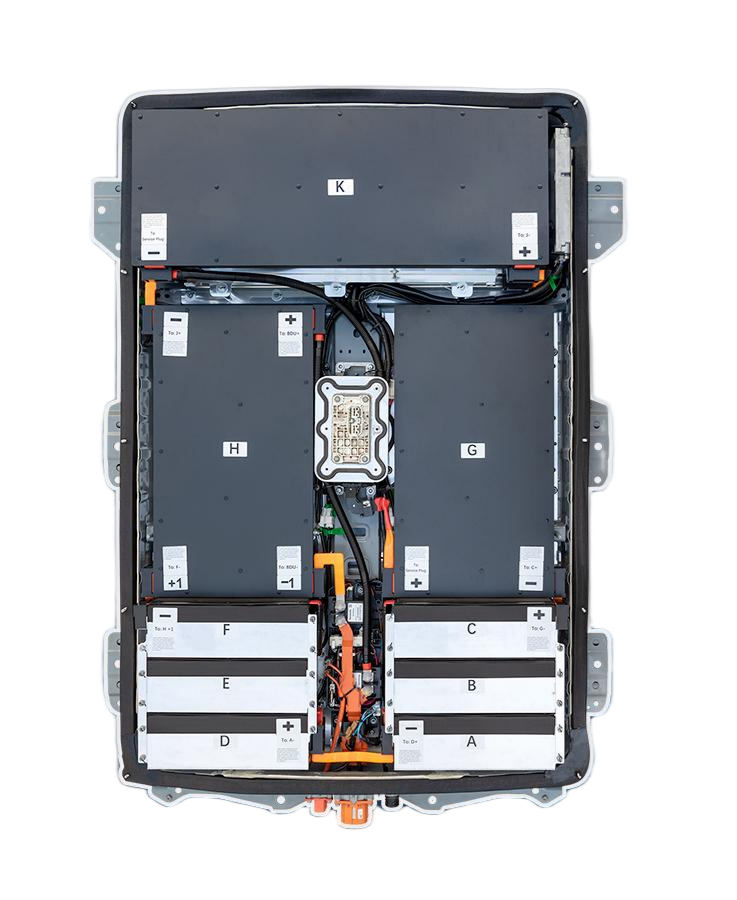
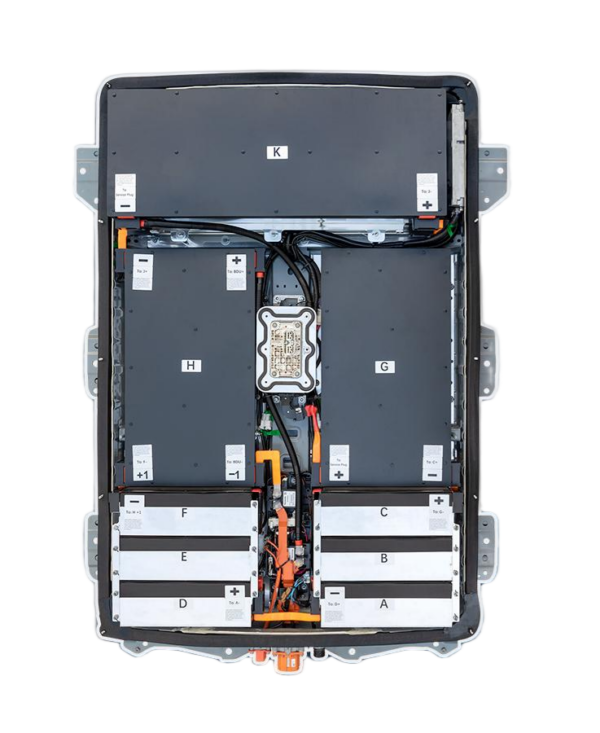
- Structural Integrity: The upgrade should be a direct OEM fit, ensuring that the vehicle’s existing cooling channels (if applicable) or the new pack’s insulation works effectively.
Without these features, your winter range could plummet by 40%. With a proper 50kWh upgrade, you mitigate this loss significantly.
💰 The Financial Logic: Is it Worth the Investment?
Let’s address the elephant in the room: cost. You might be looking at the price of a new battery and wondering if it’s cheaper to just buy a new car. Let’s compare the scenarios:
| Scenario | Estimated Cost (CAD) | Resulting Value |
|---|---|---|
| Option 1: Buy a New EV Van | $50,000+ | A new vehicle with depreciation starting immediately. |
| Option 2: Refurbished/Used Battery | $4,000 – $6,000 | High risk of failure, short lifespan, no warranty. |
| Option 3: 50kWh New Battery Upgrade | $8,000 – $10,000 | Like-new vehicle performance with a 2-year warranty. |
The Verdict: If you already own an e-NV200 Combi, the upgrade pays for itself. You avoid the massive depreciation hit of a new car. Furthermore, a 50kWh upgrade increases your vehicle’s resale value significantly compared to a car with a degraded original pack.
⚙️ Technical Feasibility: Will it Fit?
A common technical hurdle is the physical installation. The e-NV200 Combi has specific chassis constraints.
- Plug-and-Play Compatibility: The best 50kWh solutions are designed as direct replacements. They utilize the same mounting points, connectors, and communication protocols as the original Nissan hardware.
- Weight Distribution: A 50kWh pack is heavier than the original 24kWh. However, modern engineering ensures this weight is distributed to maintain the Combi’s handling characteristics without overloading the suspension.
- Software Integration: A crucial step often overlooked is the software handshake. The new battery’s BMS must communicate seamlessly with the Nissan VCM (Vehicle Control Module). This requires specific programming or “coding” that a professional supplier should handle.
🛠️ Finding the Right Supplier in 2026
As we navigate 2026, the aftermarket for EV parts has matured, but it is still a minefield of low-quality replicas. When searching for a “Nissan e-NV200 50kWh battery Canada,” you must prioritize safety and support.
You need a supplier that offers:
- Brand New Cells: Avoid “recycled” or “re-manufactured” cells. You want fresh, grade-A cells from reputable manufacturers (such as CATL) to guarantee the cycle life matches your driving needs.
- Comprehensive Warranty: Look for a warranty that covers not just defects, but performance degradation (e.g., maintaining 70% capacity over the warranty period).
- Technical Support: Installing a high-voltage battery is dangerous. You need a supplier that offers video-call guidance or detailed manuals to ensure a safe installation.
📝 Conclusion: A Revival for Your Van
Upgrading your Nissan e-NV200 Combi to a 50kWh battery in Canada is not just “worth it”—it is a strategic investment in your mobility or business. It solves the range problem, combats the cold weather limitations of older tech, and saves you thousands compared to replacing the entire vehicle.
If you are tired of the range anxiety and want to unlock the full potential of your Combi, it is time to explore a professional-grade upgrade.
💡 Frequently Asked Questions (FAQ)
Q1: How long does the installation take for a 50kWh upgrade?
A professional mechanic can typically complete the installation in 1 to 2 hours. It involves lifting the vehicle, disconnecting the old pack, removing the mounting bolts, lowering the old unit, and reversing the process with the new 50kWh pack. The connectors are usually a direct match, making it a plug-and-play procedure, though BMS coding might be required.
Q2: Will this upgrade affect my car’s warranty or insurance?
Since the e-NV200 Combi is likely out of the original factory warranty, this upgrade provides a new warranty period (typically 2 years). Regarding insurance, most Canadian providers cover “like-for-like” replacements. However, it is always best to notify your insurer of the modification to ensure full coverage.
Q3: Can I install this myself, or do I need a mechanic?
While the process is mechanical (bolts and connectors), we strongly recommend having a certified EV technician perform the installation. High-voltage batteries are dangerous, and improper handling can lead to short circuits or injury. If you are a DIY enthusiast, ensure you have the proper insulated tools and safety gear, and consider getting remote video guidance from the supplier’s technical team.
Q4: What is the expected lifespan of a new 50kWh battery?
A new lithium-ion battery pack using high-quality NMC cells should last 8 to 10 years under normal Canadian driving conditions. This is significantly longer than a refurbished pack, which might fail within 6-12 months.
Ready to upgrade your range? Don’t let an old battery limit your potential. Contact our technical experts now for a free customization quote and compatibility check.