How to Bypass Leaf ZE0 CANbridge and Restore Full Power
Struggling with the dreaded “Turtle Mode” or a sudden drop in range on your Nissan Leaf ZE0? You’re not alone. Many 2013-2015 Nissan Leaf ZE0 owners face a frustrating electronic barrier known as the CANbridge. This component often limits your car’s power output and prevents you from utilizing the full potential of your battery, even after a successful replacement or upgrade.
At CNS BATTERY, we understand the technical intricacies of the Nissan Leaf platform. We have helped thousands of owners bypass this limitation and restore their vehicle’s full driving pleasure. In this guide, we will explain what the CANbridge is, why it causes issues, and how you can effectively bypass it to unlock your Leaf’s true performance.
Understanding the Leaf ZE0 CANbridge Issue
The Nissan Leaf ZE0 (2013-2015 models) utilizes a complex communication system to manage the flow of energy between the battery and the motor. A critical component in this system is the CANbridge.
What is the CANbridge?
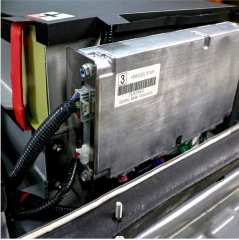
The CANbridge acts as a translator and gatekeeper. It sits between the Battery Management System (BMS) and the Vehicle Control Unit (VCU). Its primary job is to filter and translate data signals. However, this component has a notorious flaw: it often fails to recognize battery health accurately after a refurbishment or upgrade.
The “Turtle Mode” Trap
When the CANbridge malfunctions or misinterprets the battery data, it triggers a failsafe mechanism. You will see the “Turtle” warning light appear on your dashboard. This forces your car into a limp mode, drastically reducing acceleration and top speed to protect the drivetrain. Even worse, the CANbridge can artificially cap your State of Charge (SOC), making your 24kWh or 30kWh battery behave like a much smaller, weaker unit.
Why Bypassing the CANbridge Restores Full Power
To restore your Leaf to its former glory, you need to remove the communication bottleneck. Bypassing the CANbridge involves rewiring the vehicle’s harness so that the BMS communicates directly with the VCU, cutting out the middleman.
The Technical Advantage
By removing the CANbridge from the circuit, you eliminate the source of signal errors. This allows the vehicle to read the battery’s actual voltage and capacity without interference. This is not just a repair; it is a performance upgrade. After a successful bypass, you will notice:
- Elimination of the Turtle Light: The limp mode warning disappears permanently.
- Restored Acceleration: Full torque is available for responsive driving.
- Accurate State of Charge (SOC): The dashboard gauge reflects the true energy level, allowing you to utilize the full capacity of your battery pack.
Step-by-Step Guide to Bypassing the CANbridge
⚠️ Safety Warning: Before starting, ensure the vehicle is completely powered down and the maintenance plug is removed. High-voltage batteries can be lethal. If you are not experienced with automotive electronics, consult a professional technician.
1. Locate the Components
You will need to access the following parts:
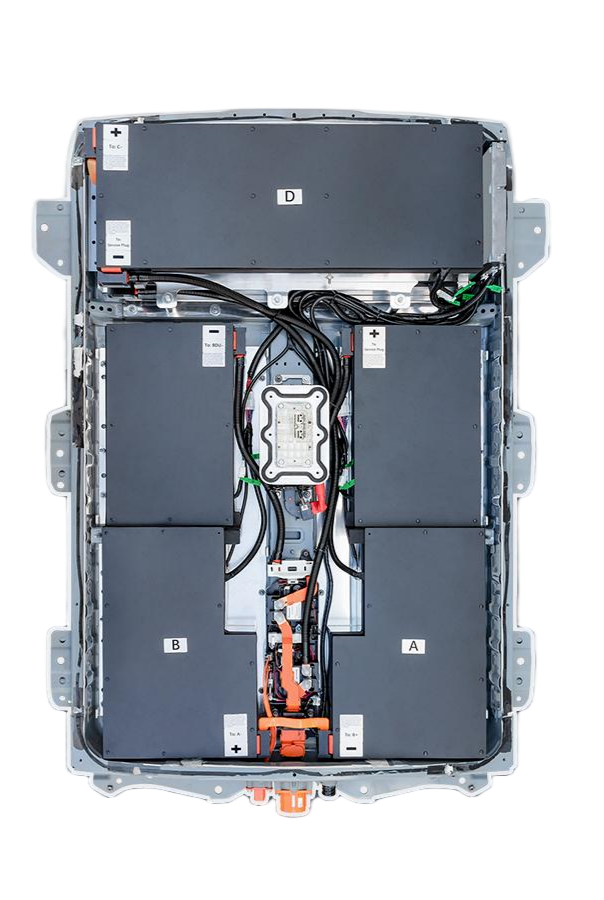
- The BMS (Battery Management System): Located on top of the battery pack.
- The CANbridge Box: A small black box usually found in the engine bay or near the cabin fuse box.
- The Harness Connectors: You will be working with the connectors that plug into these units.
2. The Rewiring Process
The bypass involves splicing specific wires to create a direct link. Here is the standard wiring configuration for a ZE0 bypass:
| Wire Color (BMS Side) | Function | Connection Target (VCU Side) |
|---|---|---|
| Blue/White | CAN-H (High) | Splice directly to the VCU harness |
| Blue/Black | CAN-L (Low) | Splice directly to the VCU harness |
| Brown | Wake-up Signal | Connect to a 12V ignition source |
3. Testing the Connection
After making the physical connections, carefully insulate all exposed wires. Reinstall the maintenance plug and turn the ignition key to the “On” position (do not start the car yet). Check the dashboard:
- The “Turtle” light should be off.
- The battery bars should display the correct count.
- Use a Nissan Consult scanner if available to confirm there are no “Communication Error” codes.
The Ultimate Solution: Upgrading to a CNS BATTERY Pack
While a CANbridge bypass fixes the symptom, the root cause is often a degraded or failing original battery. Rewiring a 10-year-old battery might only offer a temporary solution. For a permanent, stress-free fix, upgrading your hardware is the best strategy.
At CNS BATTERY, we specialize in manufacturing high-performance replacement batteries for the Nissan Leaf ZE0 and other models. Unlike a simple bypass kit, our solution addresses both the software barrier and the hardware limitations.
Why Choose a CNS BATTERY Pack?
Our packs are engineered to work seamlessly with the Leaf’s electronics, often eliminating the need for complex bypasses by utilizing modern, stable communication protocols.
- Brand-New CATL Cells: We use premium, brand-new cells from CATL, ensuring maximum energy density and longevity. No more worrying about weak cells triggering the CANbridge error.
- Plug-and-Play Design: Our batteries are designed for direct OEM fitment. They communicate flawlessly with the VCU, restoring full power without the need for risky splicing in most configurations.
- Massive Range Upgrade: Instead of fixing a 24kWh battery, why not upgrade to 40kWh, 50kWh, or even 62kWh? A CNS BATTERY upgrade can transform your Leaf’s range from a city commuter to a capable highway cruiser.
- Unbeatable Warranty: We back our confidence in quality with a 2-year / 80,000 km warranty, far exceeding industry standards for aftermarket batteries.
Conclusion: Drive with Confidence Again
Dealing with the Leaf ZE0 CANbridge issue can be a daunting technical challenge. While a manual bypass can get you moving, it is often a short-term hack for a long-term problem. The most reliable way to restore full power and enjoy peace of mind is to replace the aging hardware with a modern, high-capacity solution.
Don’t let a faulty communication module ruin your driving experience. Upgrade to a CNS BATTERY pack today and rediscover the joy of electric driving.
Ready to transform your Nissan Leaf? Contact our technical experts now for a free customization quote and restore your full power.
Frequently Asked Questions (FAQ)
Q1: Is bypassing the CANbridge legal?
A: The bypass modifies the vehicle’s electronic communication system. While it is a common modification among Leaf enthusiasts to restore functionality, we recommend checking your local vehicle modification regulations before proceeding. Installing a new CNS BATTERY pack often avoids the need for this modification entirely.
Q2: Will bypassing the CANbridge damage my car?
A: If done correctly, the bypass simply reroutes the communication signal. However, incorrect wiring (such as short circuits) can damage the BMS or VCU. We strongly recommend using a professional installer if you are not confident in your electrical skills.
Q3: Can I bypass the CANbridge myself?
A: Yes, if you have experience with automotive wiring and soldering. You will need a wiring diagram specific to your Leaf model year and the correct crimping tools. If you are uncomfortable with high-voltage systems, please contact a professional.
Q4: Does the CNS BATTERY pack require a CANbridge bypass?
A: Generally, no. Our batteries are designed to communicate directly with the VCU using stable protocols. In most cases, the pack installs as a direct OEM replacement without requiring any modification to the vehicle’s harness.
Q5: How much does a CNS BATTERY pack cost compared to a Nissan OEM replacement?
A: We offer significant savings. Our packs are priced at approximately 50% of the cost of a new Nissan OEM battery, while utilizing superior new cells compared to remanufactured OEM options.