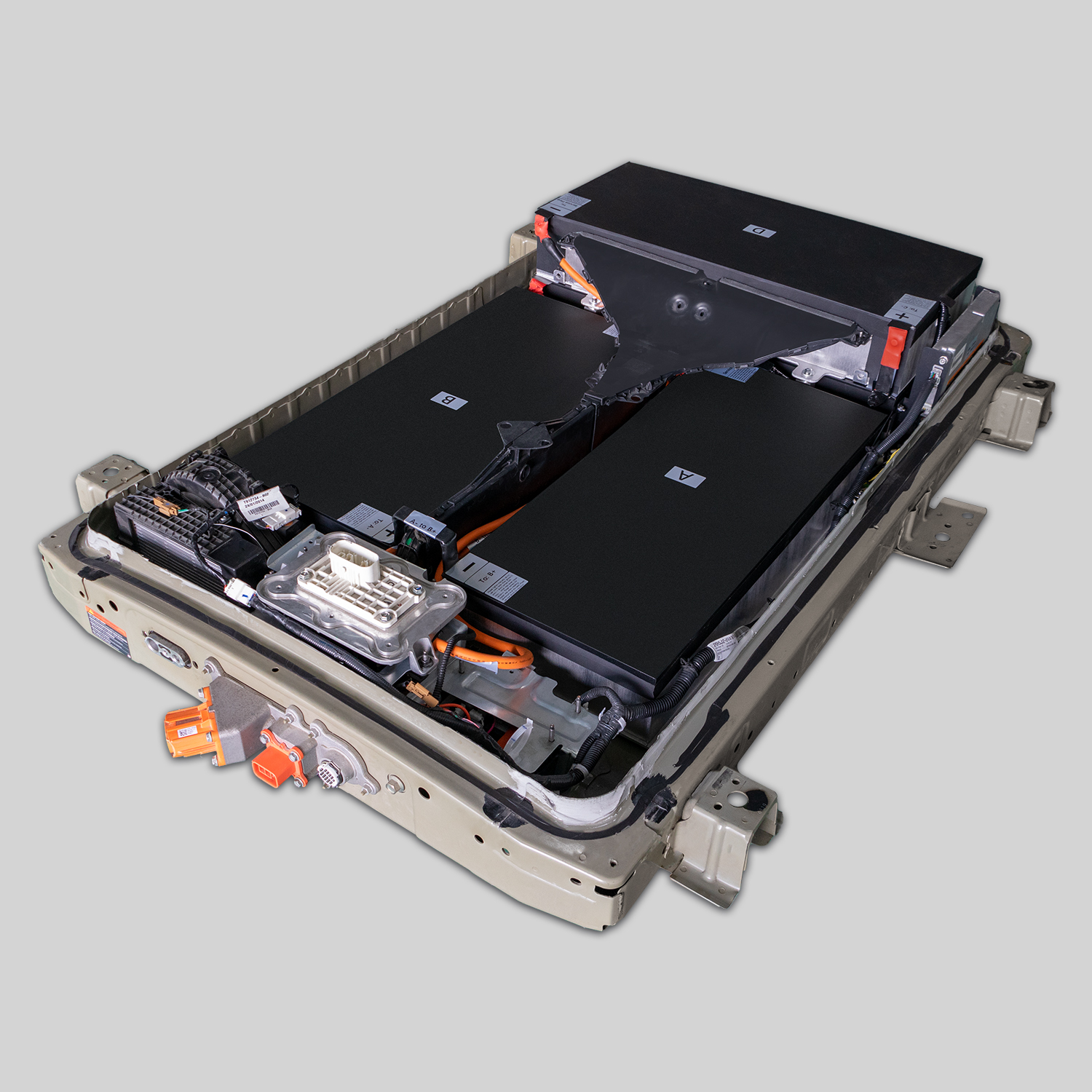
LFP vs NCM: Which is Better for Your Nissan Leaf Replacement?
If you own a Nissan Leaf or e-NV200 and are facing the daunting prospect of a battery replacement, you are likely weighing your options between two major lithium-ion chemistries: Lithium Iron Phosphate (LFP) and Nickel Cobalt Manganese (NCM).
This decision is critical. It impacts not just your upfront cost, but your driving range, safety, and the long-term health of your vehicle. As a specialized manufacturer of OEM-compatible EV powertrains, we understand that Leaf owners need a solution that balances reliability with value.
Let’s break down the science and practical application to help you decide which battery chemistry is superior for your specific Nissan model.
Understanding the Chemistry: LFP vs NCM
Before we discuss specific Nissan models, it is essential to understand the fundamental differences between these two technologies.
🔋 Lithium Iron Phosphate (LFP)
LFP batteries are renowned for their safety and longevity. They use a phosphate-based cathode material, which is inherently more stable than cobalt-based alternatives.
- Pros: Exceptional thermal stability (less prone to overheating), longer cycle life (often exceeding 3000+ cycles), lower cost, and no cobalt (more ethical sourcing).
- Cons: Slightly lower energy density (heavier for the same kWh), performance can dip slightly in extreme cold.
⚡ Nickel Cobalt Manganese (NCM)
NCM batteries are the standard for most modern EVs, including higher-end Nissan Leafs. They prioritize energy density and power.
- Pros: Higher energy density (more range in a lighter package), excellent performance in cold weather, faster charging capabilities.
- Cons: More expensive due to cobalt content, slightly shorter lifespan than LFP, requires more complex thermal management.
Why NCM is the Standard for Nissan Leaf ZE1 and AZE0
For owners of the Nissan Leaf 2 (ZE1) and the Leaf e+ (AZE0), the choice is often dictated by the vehicle’s architecture and performance expectations.
The Case for NCM
The Leaf ZE1 and AZE0 models were engineered around high-energy-density NCM chemistry (specifically, the NCM622 formulation used by suppliers like LG Chem and CATL).
1. Matching the Original “Plus” Performance
If you drive a Leaf AZE0 (e+), your car was designed for a 62kWh NCM battery. Replacing it with an LFP alternative often results in a “soft downgrade.”
- Weight & Balance: NCM allows for a lighter pack. Replacing it with LFP would add significant weight, altering the vehicle’s handling and suspension load.
- Thermal Management: The Leaf’s Battery Management System (BMS) is calibrated for NCM chemistry. While LFP is safer, forcing it into an NCM-designed thermal system can lead to inefficiencies in extreme climates.
2. Cold Weather Reliability
NCM batteries generally maintain better voltage stability in low temperatures compared to LFP. For Nissan Leaf owners in colder regions, sticking with NCM chemistry ensures your winter range loss remains consistent with the factory specifications.
Expert Insight: At CNS, we utilize brand-new CATL NCM cells for our Leaf ZE1 and AZE0 replacement packs. This ensures perfect compatibility with the OEM BMS and retains the “zippy” acceleration Leaf Plus drivers expect.
When LFP Makes Sense: The Leaf ZE0 and e-NV200
While NCM dominates the Leaf lineup, there is a specific niche where LFP technology shines: the original Nissan Leaf ZE0 (2011-2017) and the e-NV200.
The Durability Upgrade
The early-generation Leaf ZE0 originally used Lithium Manganese Oxide (LMO) cells, which are notorious for degradation in hot climates. For these models, upgrading to a modern LFP (LiFePO4) pack is often the best “second life” solution.
1. Unmatched Cycle Life
If you are using your Leaf for high-mileage commuting or as a workhorse taxi, LFP is the superior choice. An LFP replacement pack can last for 3000+ charge cycles while maintaining 70-80% health. This is significantly longer than the original LMO chemistry.
2. Safety and Cost
For budget-conscious owners, LFP offers a massive price advantage. Since the ZE0 doesn’t require the high energy density of the newer models, the lower cost and higher safety margin of LFP make it a compelling value proposition.
The CNS Solution: OEM Standards, Customized Choice
At CNS BATTERY, we don’t believe in a one-size-fits-all approach. We provide both chemistries, but we apply them where they perform best.
✅ For Leaf ZE1 & AZE0: Premium NCM Modules
We offer direct replacement battery modules and full packs using brand-new NCM cells.
- Perfect Fit: Our packs are engineered to match the OEM dimensions and connector types (J1772, CCS).
- No Coding Headaches: Unlike third-party “universal” batteries, our NCM packs communicate seamlessly with the Nissan BMS, eliminating the need for complex reprogramming in most cases.
✅ For Leaf ZE0 & e-NV200: Robust LFP Options
For the older models, we provide upgraded LFP solutions that solve the degradation issues of the original packs.
- Plug-and-Play: Designed to drop directly into the ZE0 chassis.
- Extended Warranty: We back our LFP technology with a confidence-inspiring warranty structure.
📊 Comparison: Which Battery is Right for You?
| Feature | NCM (Leaf ZE1 / AZE0) | LFP (Leaf ZE0 / e-NV200) |
|---|---|---|
| Best For | Leaf Plus, High Performance | Classic Leaf, Budget, Durability |
| Energy Density | High (Lighter weight) | Medium (Slightly heavier) |
| Lifespan | 1500-2000 cycles | 3000+ cycles |
| Cold Weather | Excellent | Good (requires heating) |
| Price Point | Premium (OEM Equivalent) | Value (Lower Cost) |
Making the Switch: What You Need to Know
Replacing your Nissan Leaf battery is a significant investment, but it doesn’t have to break the bank. The key is choosing the chemistry that aligns with your car’s original design.
For Leaf ZE1/AZE0 owners: Stick with NCM. It preserves the driving dynamics and safety systems your car was built for. Our new CATL NCM cells offer the same performance as the factory-original, but at a fraction of the cost.
For Leaf ZE0 owners: Consider LFP. It transforms your aging Leaf into a durable, long-lasting commuter by solving the chronic heat degradation problems of the old LMO batteries.
If you are unsure which solution fits your specific VIN, our technical team is here to help. We offer a free compatibility assessment to ensure you get the right chemistry the first time.
Frequently Asked Questions (FAQ)
Q1: Can I put an LFP battery in my Nissan Leaf AZE0 (Leaf Plus)?
A: Technically, it is possible with extensive modifications, but it is not recommended. The Leaf Plus (AZE0) relies on the high voltage and specific thermal characteristics of NCM chemistry. An LFP swap would require BMS reprogramming, add significant weight, and likely trigger error codes. For the AZE0, an OEM-spec NCM replacement is the only sensible choice.
Q2: Are LFP batteries better than the original batteries in the Leaf ZE0?
A: Yes, generally. The original Leaf ZE0 used LMO (Lithium Manganese Oxide) batteries, which are prone to rapid degradation in heat. Modern LFP batteries have a much longer cycle life and are far more thermally stable. Upgrading a ZE0 to LFP is one of the best ways to extend the life of an early-generation Leaf.
Q3: Do I need to reprogram the car’s computer when installing a new NCM battery?
A: In most cases, no. Our replacement battery modules and packs for the Leaf ZE1 and AZE0 are designed to be plug-and-play with the OEM BMS. However, if you are replacing the entire pack on a very high-mileage vehicle, a simple reset or update at a dealer might be required to clear old fault codes, but the new battery hardware itself is a direct match.
Q4: How do I know if my car needs NCM or LFP?
A: It depends on your model year and trim:
- NCM: Required for Leaf ZE1 (2018+) and Leaf AZE0 (Leaf Plus, 2019+).
- LFP: Suitable for Leaf ZE0 (2011-2017) and e-NV200.
Q5: What brands of cells do you use in your batteries?
A: We partner with top-tier manufacturers to ensure quality. For our NCM packs (used in Leaf ZE1/AZE0), we utilize brand-new cells from CATL, one of the world’s leading battery suppliers. For LFP applications, we use cells that meet strict automotive-grade safety and cycle life standards.
Ready to revive your Nissan Leaf? Get a free quote today and find out how we can customize a battery solution for your specific model.