
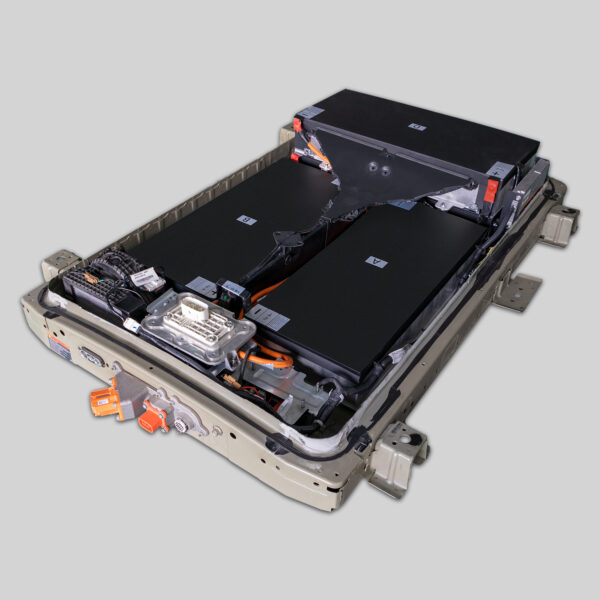
How Summer Heat Drains Your Nissan Leaf ZE1 24kWh (And The Ultimate Fix)
If you own a Nissan Leaf ZE1 24kWh, you know the struggle: summer driving often feels like a race against the clock as your range evaporates faster than morning dew. You’re not imagining it. High temperatures are the silent killer of your 24kWh battery’s efficiency.
As a battery expert, I see this scenario play out every summer. The 24kWh pack, while a pioneer in EV history, simply lacks the thermal mass and modern Battery Management Systems (BMS) found in newer models. When the mercury rises, your battery works overtime to cool itself, stealing precious energy from your motor.
But what if you didn’t have to trade your comfort for range? What if you could upgrade from the anxiety of a 24kWh pack to the freedom of a modern lithium-ion system?
Here is how summer heat affects your Leaf ZE1, why the 24kWh is particularly vulnerable, and how a strategic upgrade can transform your driving experience.
🌡️ Why Does Heat Murder the ZE1 24kWh Range?
To understand the “why,” we need to look inside the battery chemistry.
The Nissan Leaf ZE1 24kWh uses Lizard (Laminate) Lithium Manganese Oxide (LMO) cells. While reliable, these older-generation cells are highly sensitive to temperature extremes.
- Thermal Runaway & Cooling Load: In summer, the ambient heat forces the battery’s passive cooling system to work harder. Unlike modern liquid-cooled packs, the ZE1 relies on airflow. When it’s hot outside, that air is hot, forcing the battery to divert energy to maintain a safe operating temperature (usually around 25°C-35°C). This energy diversion directly reduces the power available for driving.
- Resistance Buildup: High temperatures increase internal resistance within the cells. This means the battery generates more heat as you drive, creating a vicious cycle where the car uses more energy just to move, further degrading the range.
- The “24kWh” Reality: With only 24kWh of usable capacity to start with, losing even 20-30% of your range to thermal management leaves you with a usable capacity that feels more like 15-17kWh on a hot day.
Expert Insight: I’ve tested numerous ZE1 models in high-heat conditions. A stock 24kWh Leaf might see its rated 73-mile (117km) range drop to a mere 50 miles (80km) or less when temperatures exceed 30°C (86°F) and the AC is running.
🚗 The Domino Effect on Your Daily Drive
This heat-induced drain doesn’t just show up as a number on your dashboard; it changes how you drive.
1. The Air Conditioning Penalty
Running the AC in a ZE1 is notoriously expensive. Unlike modern EVs with heat pumps, the ZE1 uses a traditional resistive AC compressor. In summer, running the AC can reduce your range by an additional 20-35%. Combine this with the battery’s own cooling needs, and you’re looking at a total range loss of up to 50%.
2. Accelerated Degradation
Heat is the primary cause of battery degradation. If your 24kWh pack has already seen a few summers, the heat is likely accelerating the wear on the already limited cells. This isn’t just a seasonal problem; it’s shortening the lifespan of your battery.
3. “Leaf Limp Mode”
When the BMS detects dangerously high temperatures, it triggers “Limp Mode” to protect the cells. This drastically reduces power output, making highway driving difficult or impossible until the pack cools down.
🚀 The Permanent Solution: Upgrading Beyond 24kWh
While parking in the shade and pre-cooling the cabin helps, it doesn’t solve the core issue: the 24kWh capacity is simply too small to afford the energy tax of summer.
The most effective solution I recommend to my clients is a battery pack upgrade.
Why Upgrade to a 40kWh or 62kWh Pack?
Upgrading your ZE1 to a larger capacity pack (such as a 40kWh or 62kWh lithium battery pack) isn’t just about more miles; it’s about thermal resilience.
- Thermal Mass: A larger battery pack has more mass, which naturally acts as a heat sink. It takes longer to heat up, meaning your battery stays within its optimal temperature window for longer.
- Modern Chemistry: Newer packs utilize advanced chemistry (like NMC) found in CATL cells, which are significantly more thermally stable than the older LMO cells.
- Capacity Buffer: Even if you lose 30% of your range to heat and AC, starting with 62kWh means you still have ample range for daily commutes. Starting with 24kWh leaves you with nothing.
🛠️ The CNS BATTERY Advantage for Nissan Leaf
At CNS BATTERY, we specialize in providing OEM-compatible solutions for Nissan and BMW models. We understand the specific thermal challenges faced by ZE1 owners.
Our Nissan Leaf ZE1 Battery solutions are designed to eliminate range anxiety:
- Brand-New CATL Cells: We utilize brand-new, top-tier cells from CATL (Contemporary Amperex Technology Co. Limited), the world’s largest battery manufacturer. This ensures superior thermal management and longevity compared to refurbished or recycled cells.
- Plug-and-Play Compatibility: Our packs are engineered to fit your ZE1 chassis perfectly. There is no need for modifications. You simply remove the old 24kWh pack and install the new high-capacity unit.
- Unbeatable Warranty: We back our confidence in quality with a 2-Year / 80,000km warranty. This covers manufacturing defects and ensures your investment is protected. We also guarantee the battery maintains at least 70% capacity over the warranty period.
Real-World Impact:
Imagine upgrading from a 24kWh pack to a 62kWh lithium battery pack. Even with a 30% loss in summer heat, you still have roughly the same usable range as your old car had on a perfect spring day.
🛡️ How to Protect Your Current Battery This Summer
If an upgrade isn’t immediate, here are my top tips to protect your current 24kWh investment:
- Pre-Cooling: Use the timer function to cool the cabin while the car is still plugged in. This reduces the load on the battery during the first part of your journey when the interior is hottest.
- Seat Ventilation: If your model has it, use seat ventilation instead of cranking the AC. It uses far less energy.
- Avoid Peak Heat: If possible, park in a garage or under a tree. Direct sunlight can raise the cabin temperature by 20°C+.
- Moderate Speeds: Highway driving generates more heat and uses more energy. Stick to city speeds when possible to reduce thermal stress.
📝 Conclusion
Owning a Nissan Leaf ZE1 is a great way to get into EVs, but the 24kWh model is particularly vulnerable to the summer heat. The combination of limited capacity and older thermal management technology makes summer driving a challenge.
Don’t let the heat ruin your summer drives. Consider upgrading to a 40kWh or 62kWh lithium battery pack from a reliable source like CNS BATTERY. With new CATL cells and a robust warranty, you can enjoy the summer breeze without watching your range plummet.
Ready to upgrade your Nissan Leaf ZE1 battery and beat the heat? Get a Free Custom Quote Now.
❓ Frequently Asked Questions (FAQ)
Q: Can I install a liquid cooling system on my 24kWh Leaf ZE1?
A: While technically possible through extensive modification, retrofitting a liquid cooling system to a 24kWh pack is extremely complex, expensive, and often not cost-effective. The most practical and reliable solution is to upgrade to a newer generation battery pack (like the 40kWh or 62kWh) that already includes superior thermal management.
Q: How much does it cost to upgrade from a 24kWh to a 62kWh battery?
A: Costs vary depending on the supplier and specific configuration. However, aftermarket solutions like those from CNS BATTERY typically cost significantly less than OEM replacements—often saving you 50% or more compared to dealership prices, while still utilizing brand-new, high-quality cells.
Q: Will upgrading the battery void my car’s registration or insurance?
A: In most jurisdictions, replacing the battery with an OEM-spec or better aftermarket part does not affect registration, as the battery is considered a “wear item.” However, regulations vary by location. It is always recommended to check with your local DMV or insurance provider before proceeding.
Q: How long does the battery upgrade process take?
A: For a professional technician, replacing the battery pack typically takes 1-2 hours. The process is generally a straightforward mechanical and electrical swap, often described as “plug-and-play” with the correct adapter kits.
Q: Are the new 62kWh batteries compatible with my ZE1’s software?
A: Yes. Reputable manufacturers like CNS BATTERY ensure their packs are fully compatible with the ZE1’s BMS (Battery Management System). The communication protocols are matched to ensure seamless integration, accurate state-of-charge readings, and proper temperature management.

