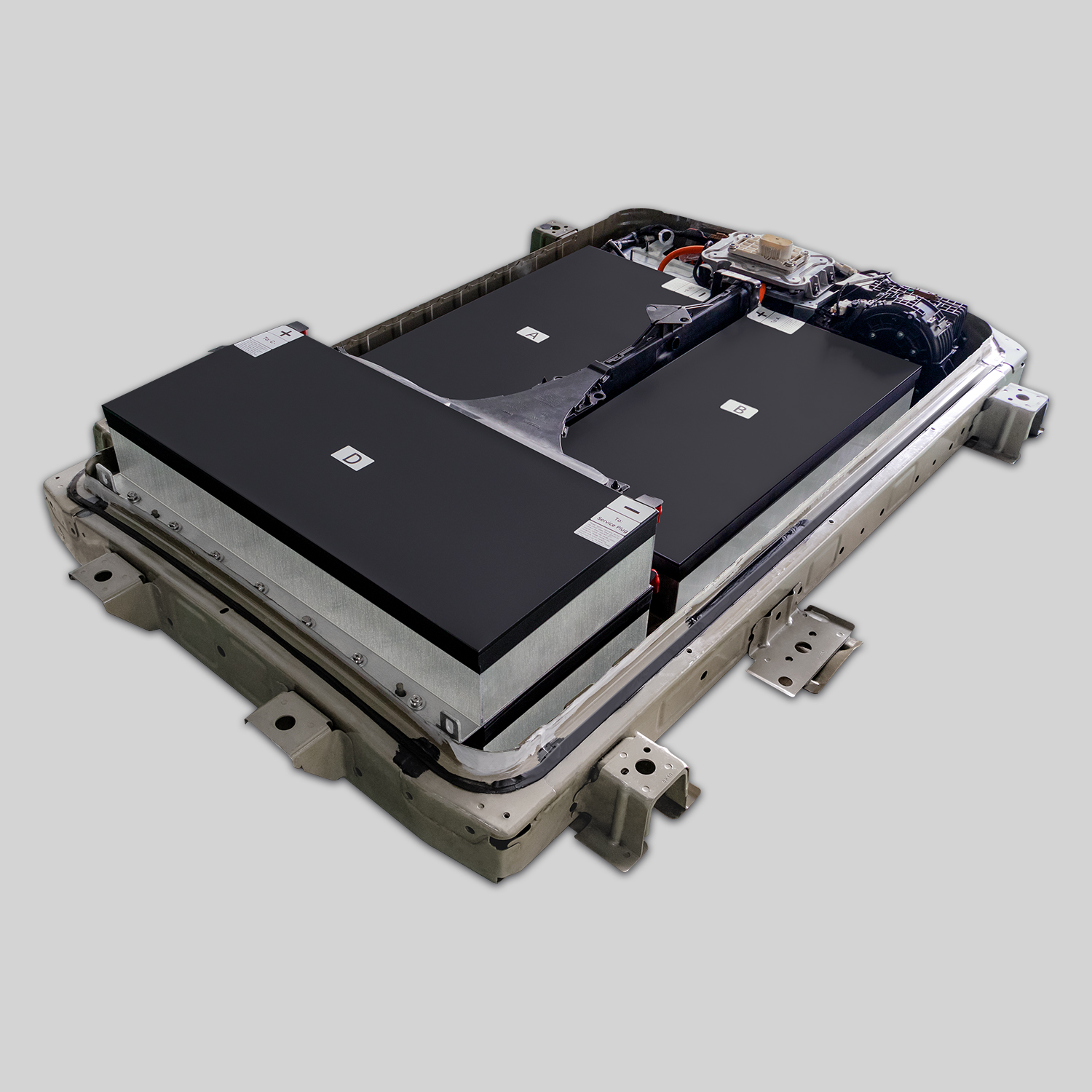
❄️ Mastering Cold Weather: Nissan e-NV200 24kWh SOH Maintenance Guide
If you own a Nissan e-NV200 with the 24kWh battery pack, you know that winter is the most challenging season. As temperatures drop, so does your State of Health (SOH) and driving range. This guide is designed for owners and fleet managers who want to maintain their vehicle’s performance and battery longevity during freezing conditions.
🧊 The Science Behind Cold Weather Impact
The 24kWh lithium-ion battery in the e-NV200 relies on chemical reactions to generate power. When temperatures fall below 15°C (59°F), these reactions slow down significantly. Unlike the larger 40kWh or 62kWh packs found in Nissan Leafs, the smaller 24kWh unit has less thermal mass, meaning it cools down faster and is more susceptible to voltage sag.
Key Effects on Your 24kWh Pack:
- Capacity Loss: Expect a 20-30% reduction in usable range.
- Charging Speed: The Battery Management System (BMS) may limit charging current to prevent lithium plating.
- SOH Fluctuations: The displayed battery bars may drop temporarily, even if the long-term health is stable.
🛡️ Essential Maintenance Strategies
To combat these issues, we recommend a proactive approach focused on thermal management and charging habits.
1. Pre-Conditioning is Crucial
Always activate the cabin heater while the vehicle is still plugged in. This warms the battery coolant and ensures the pack is operating at an optimal temperature (around 20-25°C) before you unplug. If your model lacks a heat pump, using the heater while charging prevents draining the 24kWh pack directly.
2. The “Top-Up” Charging Method
Avoid letting the battery drop below 20%. In winter, lithium-ion batteries are more prone to degradation when deeply discharged. Instead, adopt a habit of frequent top-ups. Keeping the charge between 30% and 80% reduces internal resistance during cold starts.
3. Parking and Storage
- Garage First: If possible, park indoors. A temperature difference of just 10°C can significantly impact initial performance.
- Insulation: If outdoor parking is unavoidable, consider insulating the undercarriage (if legally permitted in your region) to shield the flat battery tray from ground frost.
🔄 When to Consider an Upgrade
If you find that the 24kWh pack no longer meets your needs—even after meticulous maintenance—consider the advancements in aftermarket solutions. Many e-NV200 owners are upgrading to larger capacity lithium battery packs (such as 40kWh or 62kWh) to regain the range lost to cold weather.
Why Upgrade?
- Range Security: A larger pack absorbs the 30% winter loss without crippling your daily operations.
- Modern BMS: Newer modules often feature superior thermal management systems compared to the original 2014-2018 hardware.
🧰 Professional Support and Resources
Maintaining an older electric vehicle requires expertise. At CNS BATTERY, we specialize in OEM-compatible solutions for Nissan models. Whether you are maintaining your current 24kWh unit or exploring a Nissan e-NV200 battery upgrade, our technical team provides support to ensure your fleet stays operational year-round.
Expert Tip: If you are experiencing rapid SOH decline, it might be time to consult a specialist. We offer compatibility assessments to determine if a replacement module is necessary.
❓ Frequently Asked Questions
Q: Why does my e-NV200 lose so much range in winter compared to newer EVs?
A: The 24kWh pack uses older lithium-manganese-oxide (LMO) chemistry, which is more sensitive to cold than the newer NMC or LFP chemistries found in modern batteries. Additionally, the lack of a sophisticated heat pump in early models means the battery heater draws heavily from the small 24kWh capacity.
Q: Is it bad to fast charge my 24kWh battery in freezing weather?
A: It is generally not recommended. Fast charging generates heat, but if the core temperature of the battery is below freezing (0°C), it can cause lithium plating, which permanently damages the cells. Always pre-heat the battery or use Level 2 (AC) charging in sub-zero conditions.
Q: Can I install a battery heater myself?
A: While aftermarket heating pads exist, modifying the battery tray of a 24kWh pack is complex and can void any remaining safety certifications. We recommend consulting a professional or considering a complete replacement with integrated heating if winter performance is critical.
Q: What is the expected lifespan of a 24kWh battery in cold climates?
A: With proper care (avoiding deep discharges and extreme cold soaks), a 24kWh pack can last 8-10 years. However, if the SOH drops below 70%, the usable range in winter becomes impractical for most delivery or commute needs.
Q: Are there any specific maintenance checks I should do before winter?
A: Yes. Check the Coolant Level in the inverter and charger. Low coolant can prevent the thermal system from warming the battery effectively. Also, inspect the 12V auxiliary battery, as a weak 12V battery can prevent the high-voltage system from activating in the cold.
For personalized advice on maintaining your Nissan e-NV200 24kWh or exploring upgrade options, contact our technical experts now for customization.