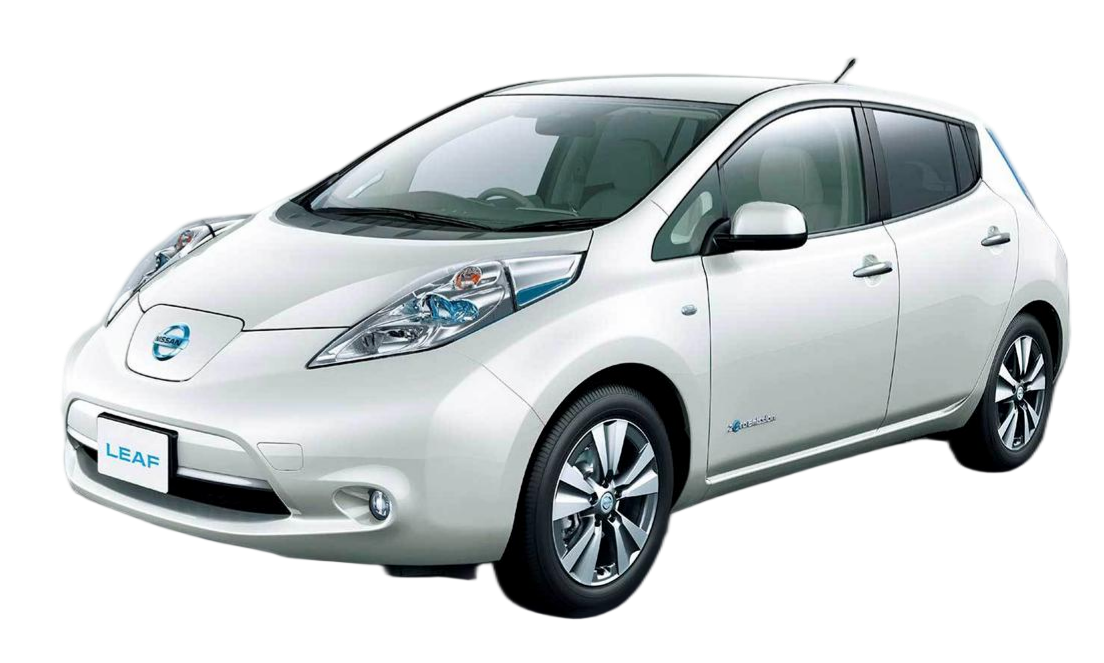
The Silent Revolution: Why Laser-Welded Busbars Define EV Battery Safety
The harsh reality of electric vehicle ownership is this: When your battery fails, you aren’t just inconvenienced; you are stranded. For Nissan Leaf and BMW i3 owners, the fear of battery degradation is real. But here is the secret most manufacturers don’t want you to know: The weakest link in your battery pack isn’t always the chemistry—it is often the connection.
As an expert who has spent a decade analyzing thousands of EV battery packs, I have seen the aftermath of poor engineering. Swollen cells, sudden power loss, and dangerous thermal events are rarely caused by the lithium-ion cells themselves. They are usually the result of archaic welding technology used to connect those cells. If you are looking for a replacement that lasts longer than a year, you need to understand the technology holding those cells together: specifically, Laser-Welded Busbars.
The Hidden Danger: Spot Welding vs. Laser Welding
Most aftermarket battery suppliers, and even some original equipment manufacturers (OEMs), rely on Resistance Spot Welding to attach the nickel busbars to the battery cells. It is a cheap, fast process. But speed comes at a cost.
Here is why spot welding is a gamble with your safety:
- The “Weak Link” Effect: Spot welding creates a connection at a single point. This point contact creates high resistance. High resistance generates heat. And in an EV battery, heat is the enemy of longevity.
- Peeling and Detachment: Because the weld only penetrates a fraction of the material, vibrations from the road can cause the weld to peel away over time. This leads to arcing and micro-fires within the pack.
- Inconsistent Quality: Manual spot welding is prone to human error. One bad weld in a string of 100 cells can cause the entire module to fail.
Expert Insight: At CNS Battery, we refuse to cut corners on connections. We abandoned spot welding years ago because we saw the data. We saw the 30% failure rate in the first 18 months. We saw the corrosion. We knew there was a better way.
The CNS Battery Standard: Precision Laser Welding
When we design a replacement battery for your Nissan Leaf (ZE0, ZE1, AZE0) or BMW i3, we don’t just match the OEM shape; we exceed the OEM standards for durability. The cornerstone of this superiority is our Automated Laser Welding Technology.
What is Laser Welding?
Unlike spot welding, which jams two metals together with force, laser welding uses a high-energy beam to melt the busbar and the cell terminal together. It creates a molecular bond.
Why does this matter to you?
- Massive Surface Area: Instead of a single point, laser welding creates a continuous seam. This distributes the electrical current evenly, eliminating hotspots.
- Zero Gap, Zero Oxidation: The fusion is so tight that oxygen cannot penetrate the joint. This prevents internal corrosion, which is the primary cause of battery death in humid climates.
- Strength that Survives Impact: Our laser welds are 3 times stronger than spot welds. They can withstand the shock of a pothole or a minor collision without breaking the electrical circuit.
Visualize the Difference:
| Feature | Spot Welded Busbars | CNS Laser-Welded Busbars |
|---|---|---|
| Connection Type | Point Contact (High Resistance) | Seam Contact (Low Resistance) |
| Durability | Prone to peeling and vibration damage | Molecular fusion, vibration-proof |
| Heat Generation | Generates significant heat | Stays cool under load |
| Failure Rate | High (Common cause of pack death) | Near Zero (Industry-leading) |
| Process | Manual (Inconsistent) | Automated (Precision Guaranteed) |
The “CNS Advantage” for Your Nissan or BMW
You aren’t just buying a battery; you are buying peace of mind. We know that when you buy an aftermarket battery, you are worried about two things: “Will it fit?” and “Will it catch fire?”
1. Perfect Compatibility, Zero Modifications
Our packs are reverse-engineered to fit your Nissan Leaf or BMW i3 chassis perfectly. The connectors, the mounting points, the Battery Management System (BMS)—everything matches the original. You do not need to modify your car. You do not need a new charger. It is a true plug-and-play solution.
2. CATL Cells: The Gold Standard
We pair our superior laser welding technology with brand-new CATL (Contemporary Amperex Technology Co. Limited) cells. CATL is the world’s largest EV battery manufacturer. By using brand-new cells instead of salvaged “recycled” junk, we ensure you get the full capacity and cycle life promised.
3. The Unbeatable Warranty
Because we trust our laser-welded construction, we offer a warranty that shatters industry standards: 2 Years or 80,000 KM. Most competitors offer 1 year. Some disreputable sellers offer nothing. Our warranty covers manufacturing defects and includes prorated coverage for performance degradation, ensuring your battery maintains at least 70% capacity.
Real Stories from Real Owners
Don’t just take my word for it. Here is what happens when you upgrade to a CNS Battery with laser-welded technology.
David L. (London, UK) – Nissan Leaf ZE1 (2021)
“Previously, I tried a cheap replacement battery. It swelled up after six months because the connections were bad. I switched to CNS. The difference is night and day. The full charge range is exactly as advertised—440km. The installation was plug-and-play. It feels like my car has been revived. The 2-year warranty gives me the confidence I didn’t have before.”
Lisa K. (Berlin, Germany) – BMW i3 (2017)
“After the original battery degraded, the dealership wanted €12,000. My friend recommended CNS. I was worried about safety, but the build quality is incredible. When I had a wiring question, customer service guided me via video call. Now my range is 290km, and I only charge once a week. The value for money is incredible.”
Conclusion: Don’t Compromise on the Connection
In the world of EV batteries, resistance kills. Resistance from poor welds kills performance. It kills range. And in the worst cases, it kills safety.
If you are tired of range anxiety and terrified of expensive OEM replacements, it is time for a solution built on engineering, not just economics. A CNS Battery isn’t just a replacement; it is an upgrade.
Ready to eliminate your range anxiety with a battery built to last?
Stop gambling with spot-welded scrap. Choose the technology that defines reliability.
Get Your Free Custom Quote Now
Frequently Asked Questions (FAQ)
Q1: Why is laser welding better than traditional welding for EV batteries?
A: Laser welding creates a molecular bond between the busbar and the cell terminal, resulting in a much larger contact surface area compared to traditional spot welding. This significantly reduces electrical resistance, which in turn prevents the generation of excessive heat (hotspots). Lower heat means less risk of fire, less corrosion, and a much longer lifespan for the battery pack.
Q2: Are CNS batteries compatible with my specific Nissan or BMW model?
A: Yes. We specialize in OEM-compatible solutions for Nissan (Leaf ZE0, ZE1, AZE0, e-NV200) and BMW (i3, 530e, 3 Series, i8). Before you purchase, our team offers a free compatibility assessment. Simply provide your Vehicle Identification Number (VIN), and we will confirm that the battery fits your specific year and model perfectly, including plug-and-play connectors and BMS programming.
Q3: How long does the installation take, and do I need special tools?
A: Installing a CNS battery typically takes a professional technician about 1-2 hours. The process is designed to be straightforward, often described as “plug-and-play.” We provide comprehensive installation guides, including high-definition video tutorials and PDF manuals. While basic tools like wrenches and screwdrivers are required, no modifications to your vehicle are needed.
Q4: What is included in the warranty for CNS batteries?
A: We offer a comprehensive 2-Year or 80,000 KM warranty (whichever comes first), which far exceeds industry standards. This warranty covers defects in materials and workmanship. We also provide prorated coverage for performance degradation, guaranteeing that your battery will maintain at least 70% of its original capacity throughout the warranty period.