Here is a comprehensive, SEO-optimized article tailored for your requirements.
⚡ The Ultimate Nissan Leaf 68kWh to 24kWh Battery Swap Guide
The Nissan Leaf has been a pioneer in the electric vehicle (EV) market. As an owner, you might be looking to extend the life of your vehicle or adapt it for a specific use case. While most owners seek to upgrade their range, there are unique scenarios where a battery downgrade or replacement is necessary. Perhaps you are converting your Leaf for a specific fleet purpose, or maybe you are looking to replace a degraded 68kWh pack with a more cost-effective solution.
This guide is designed for Nissan Leaf owners, mechanics, and EV enthusiasts who are considering a battery swap. We will focus on the technical aspects of replacing a 68kWh battery with a 24kWh pack, ensuring you have the knowledge to execute this complex task safely and effectively.
🛠️ Why Consider a Battery Swap?
Before diving into the technical details, it is essential to understand the “why.” The Nissan Leaf 68kWh (often found in the Leaf Plus or e+ models) is a high-capacity battery. Swapping it out for a 24kWh unit is typically done for one of the following reasons:
- Cost Reduction: A 24kWh battery is significantly cheaper to purchase and replace.
- Weight Reduction: Removing the heavy 68kWh pack can improve handling for specific low-range applications.
- Parts Car: You might be using the 68kWh Leaf as a donor car to fix a 24kWh Leaf with a bad battery.
🛑 Critical Compatibility Warning
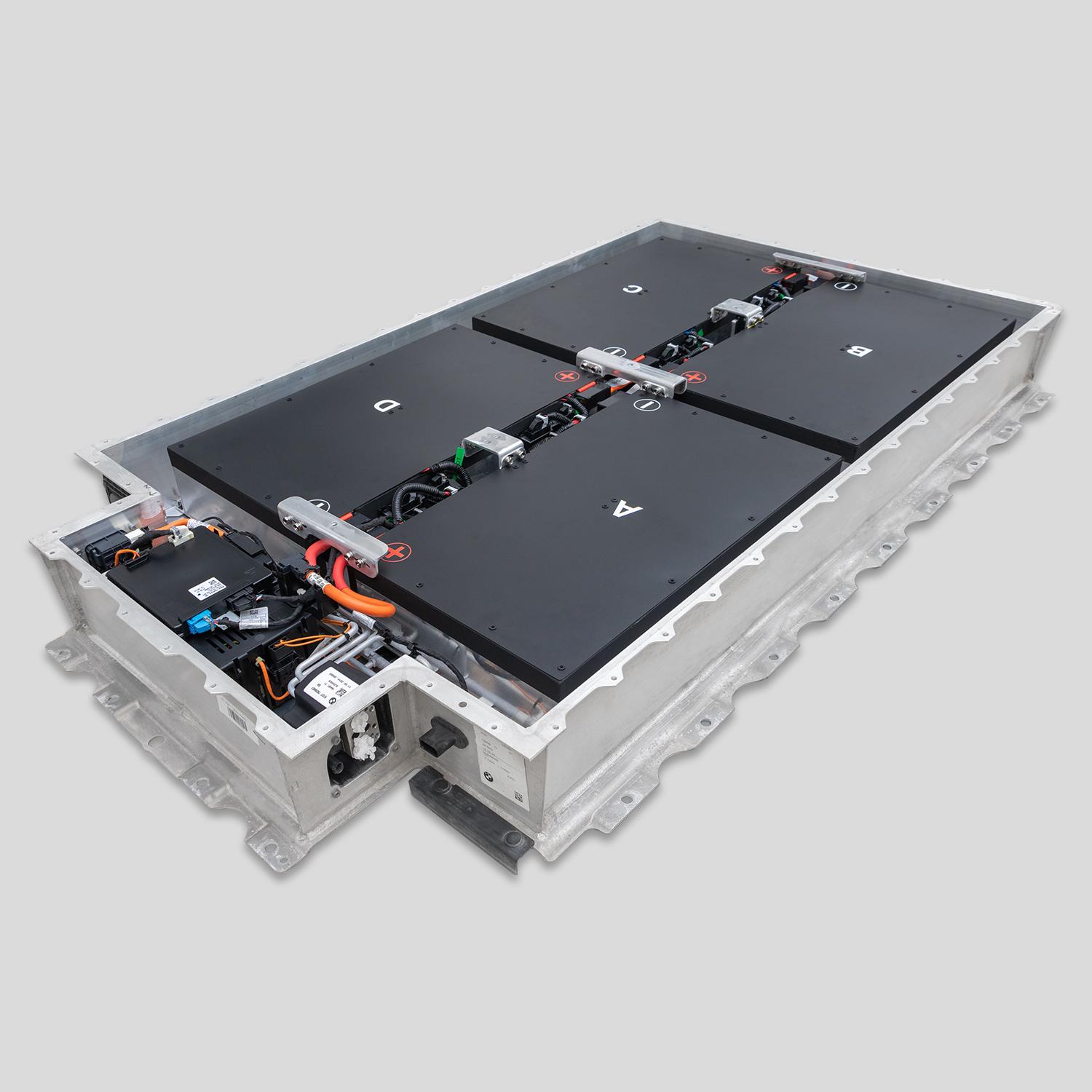
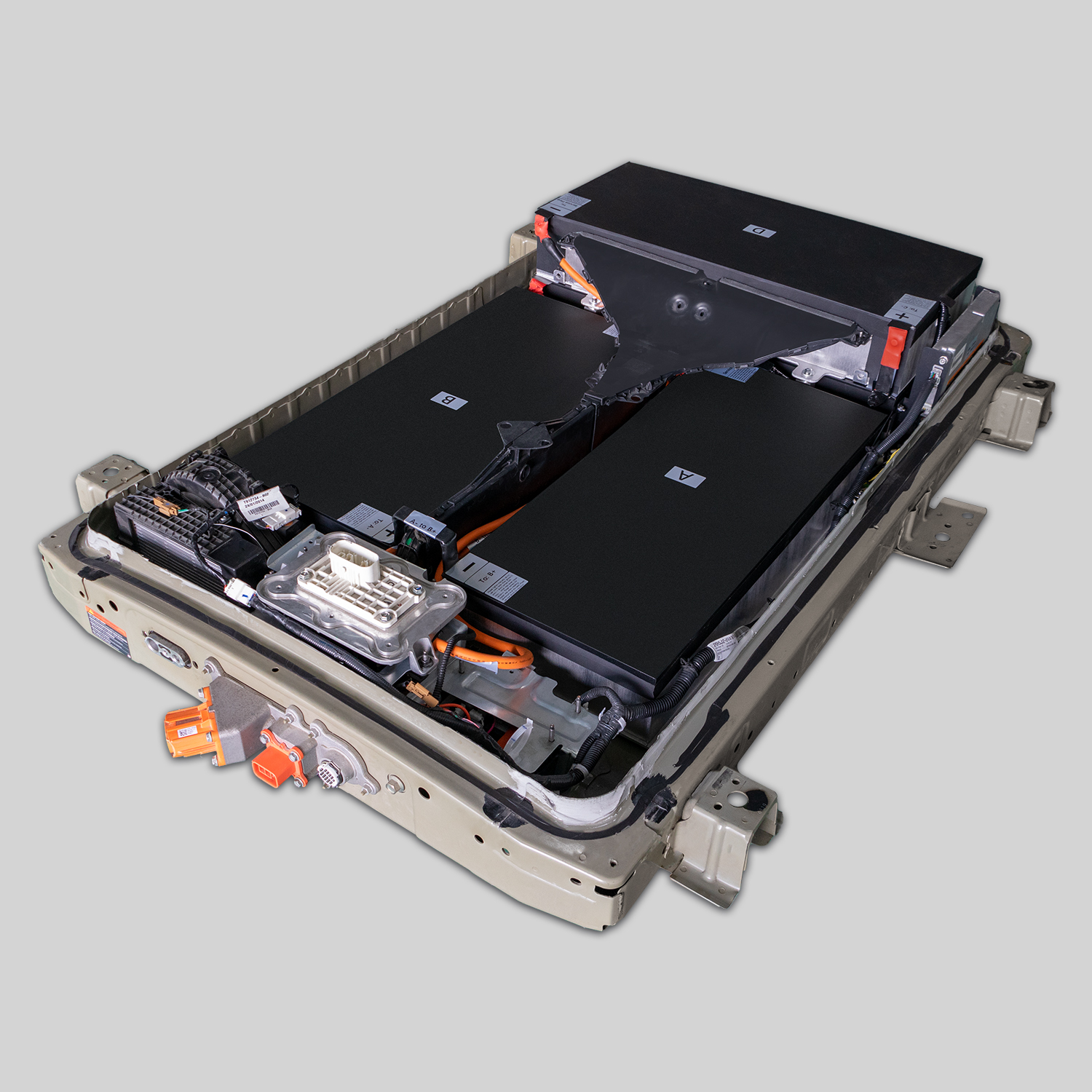
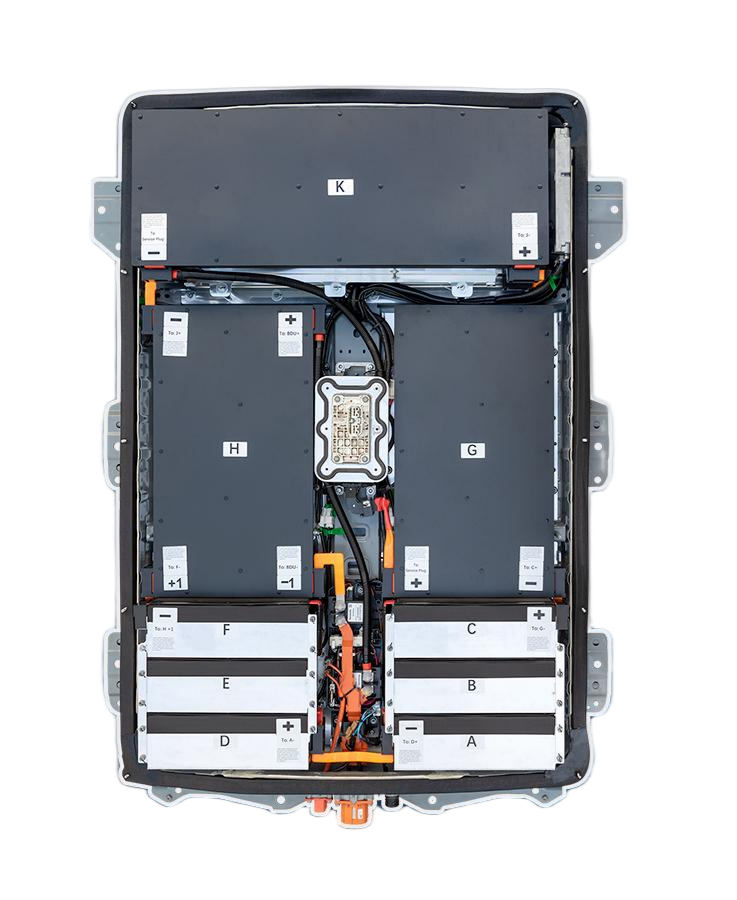
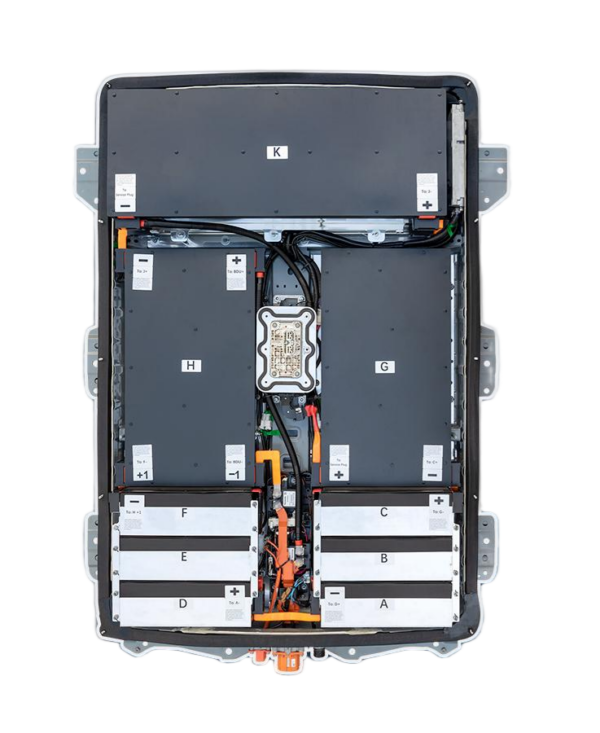
This is not a plug-and-play operation. The 68kWh (Leaf e+/Plus) and 24kWh (First Generation Leaf) batteries are fundamentally different.
- Voltage Mismatch: The 24kWh pack operates at a lower voltage than the 68kWh pack.
- Physical Dimensions: The battery trays and mounting points differ significantly between the ZE0 (24kWh) and ZE1 (68kWh) platforms.
- Software & BMS: The Battery Management System (BMS) and vehicle software are calibrated for specific battery capacities.
Recommendation: If you are looking to replace a degraded 68kWh pack, it is highly recommended to replace it with another 68kWh unit (or upgrade to a higher capacity like 80kWh or 100kWh) to maintain the vehicle’s original performance and safety standards.
📋 Step-by-Step: Preparing for the Swap
If you have determined that a 24kWh swap is necessary for your project, follow these preparation steps:
- Gather Tools: You will need insulated wrenches, jack stands, a hydraulic jack, and safety gear (gloves and goggles).
- Vehicle Preparation: Park the car on a flat surface, engage the parking brake, and disconnect the 12V battery to cut power.
- Drain Coolant: If working on a thermal management system (common in larger packs), drain the coolant into a sealed container.
🛡️ Safety First: Working with High Voltage
EV batteries store lethal amounts of electricity. Before removing the old battery:
- Discharge Time: After disconnecting the battery, wait at least 10 minutes to allow the capacitors in the inverter to discharge.
- Insulated Tools: Always use tools with insulated handles rated for CAT II or CAT III safety standards.
- No Jewelry: Remove all metal jewelry to prevent accidental short circuits.
🚗 Removing the 68kWh Battery Pack
- Lift the Vehicle: Safely lift the vehicle using a floor jack and secure it on jack stands.
- Remove Underbody Shields: Remove the plastic underbody panels to access the battery bolts.
- Disconnect Cables: Carefully disconnect the high-voltage (HV) cables and the low-voltage communication harnesses. Label each connector to remember where it goes.
- Remove Mounting Bolts: There are typically 16-20 bolts securing the battery to the chassis. Remove them systematically.
- Lower the Battery: Using a transmission jack or a specialized EV battery lift, carefully lower the heavy 68kWh pack.
⚙️ Installing the 24kWh Battery (The Complex Part)
Installing a 24kWh battery into a vehicle designed for a 68kWh requires significant modification:
- Adapter Brackets: You will likely need to fabricate or source custom mounting brackets, as the 24kWh pack is smaller.
- Wiring Harness Modification: The communication harnesses between the 24kWh and 68kWh modules are different. You may need to splice wires or use an adapter harness.
- Cooling System: The thermal interface is likely different. You may need to bypass the cooling system or install an adapter.
Pro Tip: If you are not an experienced EV technician, this is the stage where professional assistance is mandatory.
🔋 Reconnecting and Testing
- Reconnect Harnesses: Attach the low-voltage communication cables first, followed by the high-voltage cables. Ensure all connections are tight.
- Reinstall Shields: Replace the plastic underbody shields.
- Initial Power-Up: Reconnect the 12V battery. Turn the key to “On” (do not start the car). Check the dashboard for error codes.
- Diagnostic Scan: Use a Nissan Consult scanner or an aftermarket OBD2 scanner to check for “Battery Cell Imbalance” or “Communication Errors.”
🔄 Alternative Solution: Upgrading Instead of Downgrading
While a 68kWh to 24kWh swap is technically possible, it is often more practical to replace the degraded battery with a new, high-quality aftermarket pack. Many owners find that replacing their old 68kWh unit with a remanufactured or new 62kWh/68kWh pack restores the car to “like new” condition without the hassle of physical modifications.
Why Choose a Direct Replacement?
- OEM Fitment: No need for custom brackets or wiring splicing.
- Preserved Range: You keep the long driving range the car was designed for.
- Safety: Factory-standard thermal management and BMS compatibility.
🤝 Partnering with a Reliable Supplier
When performing a battery swap, the quality of the new battery is paramount. It is crucial to source from a manufacturer that understands the intricacies of Nissan Leaf electronics.
CNS BATTERY specializes in providing OEM-compatible Nissan Leaf batteries. Whether you are looking for a 40kWh, 62kWh, or a custom solution, they offer packs designed for precise fitment and long-term reliability. Their technical team can help you determine the best battery solution for your Leaf model, ensuring you get the range and performance you need without compromising on safety.
If you are unsure about the compatibility of a 24kWh battery with your specific Leaf chassis or are looking for a direct replacement for your 68kWh pack, it is best to consult with an expert.
Get a Free Custom Quote for Your Nissan Leaf Battery Solution
👉 Contact CNS BATTERY Technical Experts
❓ Frequently Asked Questions (FAQ)
1. Can I physically fit a 24kWh battery into a 68kWh Leaf chassis?
Technically, yes, but it requires significant modification. The mounting points, wiring harness connectors, and cooling interfaces are different. You will need custom brackets and potentially a modified harness. It is generally not recommended unless you have advanced fabrication skills.
2. What happens if I put the wrong battery in my Nissan Leaf?
The car will likely throw a “Battery Management System Fault” or “Propulsion System Malfunction.” The car may go into “Limp Mode” (very slow) or not drive at all. The software expects a specific voltage and resistance profile that a mismatched battery cannot provide.
3. Is it cheaper to swap to a 24kWh or buy a new 68kWh?
While a 24kWh battery is cheaper upfront, the labor costs for modification (custom brackets, wiring, tuning) can quickly add up. Often, buying a direct-replacement 62kWh or 68kWh aftermarket battery is more cost-effective in the long run and preserves your car’s value and range.
4. Do I need to reprogram the car after a battery swap?
Yes. Even when swapping for the same capacity, the BMS often needs to be “registered” or “paired” with the new battery module. This requires specialized diagnostic equipment.