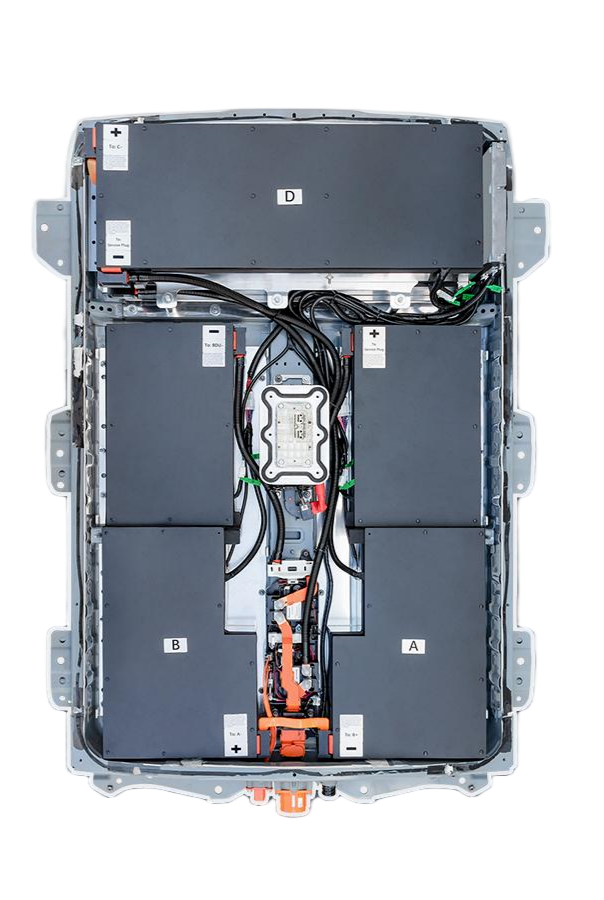
Top 10 Reasons to Install Your Leaf ZE1 24kWh Battery
If you drive a Nissan Leaf ZE1, you know the struggle: the clock is ticking on that 24kWh battery pack. Originally equipped in early 2016 models, this specific generation of the Leaf is now entering a critical phase where battery degradation is not just a possibility, but a certainty.
You might be looking at your dashboard, seeing the range drop to a mere 60-80km, and wondering if it’s time to scrap the car. But here is the good news: 2026 is the perfect year to revive your ZE1. With advancements in lithium-ion technology, replacing that old 24kWh unit isn’t just about fixing a problem; it is a strategic upgrade.
As a battery specialist, I have seen countless Leaf owners make the mistake of sticking with refurbished packs or OEM replacements that cost a fortune. Today, I want to walk you through the Top 10 Reasons why installing a new battery solution is the smartest decision you can make for your Leaf ZE1 right now.
1. The 24kWh Battery Has Officially Reached “End of Life”
Let’s be honest with the science. Lithium-ion batteries have a finite lifespan. The 24kWh pack in your ZE1 was designed for a specific era of technology. By 2026, even with perfect care, these cells have undergone thousands of charge cycles.
- The Reality: Most 24kWh packs are now operating at less than 50% State of Health (SOH).
- The Result: Your car might still start, but the usable range is embarrassing. Replacing it isn’t an upgrade; it is a medical necessity to keep your car alive.
2. The Cost of “Cheap” Refurbished Batteries is Actually Expensive
You might see ads for “Refurbished Leaf Batteries” for a few hundred dollars. Do not be fooled. These are usually the very same 24kWh (or 30kWh) packs pulled from other dead cars.
- Hidden Cost: You are buying someone else’s used product. These packs have hidden degradation and often fail within 6-12 months.
- The Smart Move: Investing in a brand new 40kWh or 62kWh lithium battery pack from a reputable manufacturer like CNS means you are buying a product with zero prior miles, backed by a warranty.
3. Unlock the “Plus” Upgrade: 24kWh to 62kWh
This is where it gets exciting. Your ZE1 chassis is capable of handling much more than 24kWh. One of the most popular modifications in the EV community is the Leaf Battery Swap.
- The Transformation: By installing a modern 62kWh module, you are essentially turning your 2016 Leaf into a “Leaf Plus.”
- The Math: You go from a 60-mile anxiety-ridden commuter to a 200+ mile road-trip-ready vehicle. This isn’t just maintenance; this is performance tuning.
4. Say Goodbye to “The Fear” (Range Anxiety)
Driving a Leaf with a degraded 24kWh battery is stressful. You are constantly calculating if you have enough juice to get home, or if the supermarket is too far. Installing a new high-capacity battery eliminates this mental burden entirely.
- Peace of Mind: With a fresh 40kWh or 62kWh pack, you regain the confidence to drive without staring at the battery gauge every 5 minutes.
- Real-World Gain: A new 40kWh pack can give you back a solid 150-170km of range, making daily commutes effortless.
5. Superior Technology: New Cells vs. Old Chemistry
The battery technology in 2016 was good for its time, but it has been surpassed. Modern Lithium Battery Modules use advanced chemistries (often from top-tier suppliers like CATL) that are safer and more efficient.
- Safety First: Older batteries are prone to thermal runaway and cell swelling. New packs come with advanced Battery Management Systems (BMS) that actively monitor temperature and voltage.
- Longevity: New cells are designed to last significantly longer than the original 2016 chemistry.
6. Drastic Cost Savings vs. Dealership Prices
Let’s talk money. If you walk into a Nissan dealership (or authorized repair shop) and ask for a Nissan Leaf Battery Replacement, they will quote you a price that reflects the original Manufacturer’s Suggested Retail Price (MSRP).
- The Savings: Aftermarket specialists can offer the same (or better) quality for 50% less than the OEM price.
- The Value: Why pay $10,000+ for a generic OEM part when you can get a custom-engineered, higher-capacity pack for half the price?
7. Improved Charging Speed and Efficiency
The old 24kWh packs had limitations on their charging acceptance rates. When you install a new EV Battery solution designed for modern standards, you often get faster charging as a bonus.
- Faster Top-Ups: Newer packs handle higher current loads, meaning your charging sessions at public stations will be quicker.
- Regenerative Braking: A healthy battery accepts regen braking power much more efficiently, which helps recapture energy you would normally lose as heat in an old, degraded pack.
8. Resale Value: The “Zombie” Car Effect
Here is a little secret in the used car market: A Leaf ZE1 with a replaced battery is worth more than a Leaf ZE1 with the original dead battery, but only if it is done right.
- The Premium: A car with a documented New Battery Installation sells faster and for more money because the buyer isn’t inheriting the $5,000 repair bill.
- The Catch: It must be a new battery. A car with a “used” replacement battery is still seen as a liability.
9. Environmental Impact: Reduce, Reuse, Recycle
Buying a brand new car to solve a battery problem is the least eco-friendly option. Manufacturing a new car produces massive amounts of CO2.
- The Green Choice: Extending the life of your existing Leaf chassis by installing a new Lithium Battery Pack is one of the most sustainable things you can do.
- Keep it Rolling: You are reusing a perfectly good motor, suspension, and body shell. You are just giving it a new heart.
10. Professional Support and Warranty Protection
The scariest part of a DIY battery swap is the risk. What if it doesn’t fit? What if the BMS doesn’t program?
- The Safety Net: Reputable suppliers offer 24-month or 80,000km warranties. This means if anything goes wrong (which it rarely does with quality cells), you are covered.
- Technical Expertise: You aren’t doing this alone. Experts are available via video call to guide you through the Battery Module installation, ensuring a perfect fit the first time.
Frequently Asked Questions (FAQ)
Q1: Can I really put a 62kWh battery in my 2016 Leaf ZE1?
Yes, absolutely. The ZE1 chassis (2013-2017) is physically compatible with the larger 62kWh packs from the Leaf Plus models. It requires specific mounting brackets and BMS programming, but it is a standard modification in the EV community.
Q2: Is it difficult to install a new Nissan Leaf battery?
It is a significant job, but it is manageable. Most professional mechanics can do it in 1-2 hours. If you are a DIYer, detailed video tutorials and technical support are available to guide you through disconnecting the old 24kWh battery and installing the new pack safely.
Q3: What happens to my old battery?
Responsible disposal is key. Reputable suppliers often offer take-back programs, or you can take the old pack to a local recycling center. Lithium batteries should never go to a landfill.
Q4: How much does a 62kWh battery upgrade cost?
While prices vary, a brand new 62kWh Lithium Battery Module typically costs significantly less than half of what a dealership would charge for an OEM replacement. This makes it a highly cost-effective way to double your car’s range.
Ready to bring your Leaf ZE1 back from the dead?
Don’t let that old 24kWh battery hold you back from enjoying your car. Whether you want a simple 40kWh replacement or the ultimate 62kWh upgrade, we have the solution for you.