⚡ Expert Tips for Leaf AZE0 68kWh Battery Swap: Maximize Range & Safety
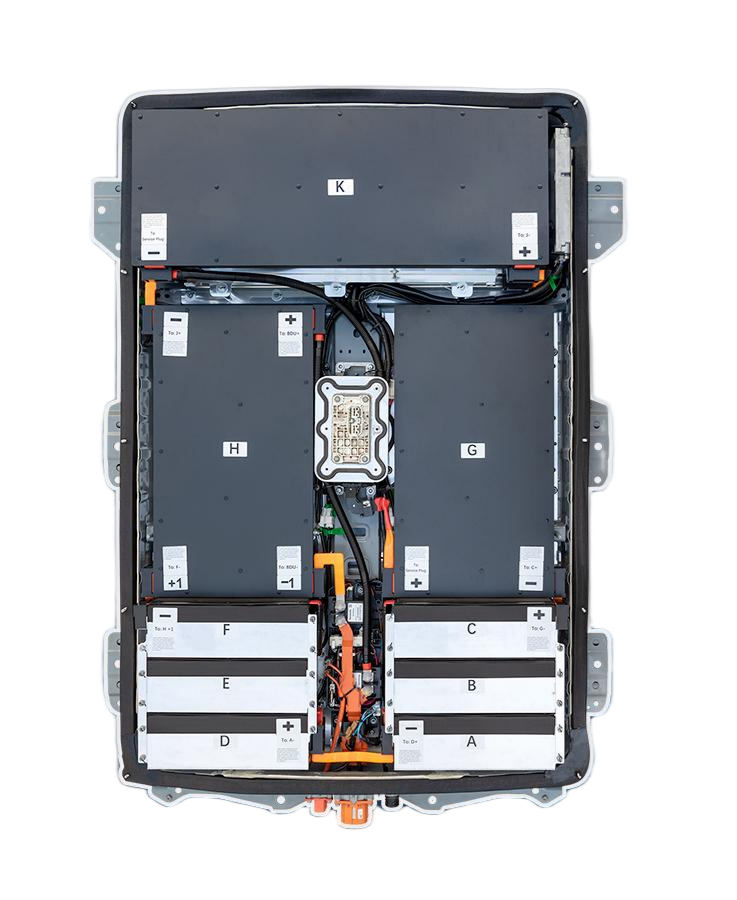
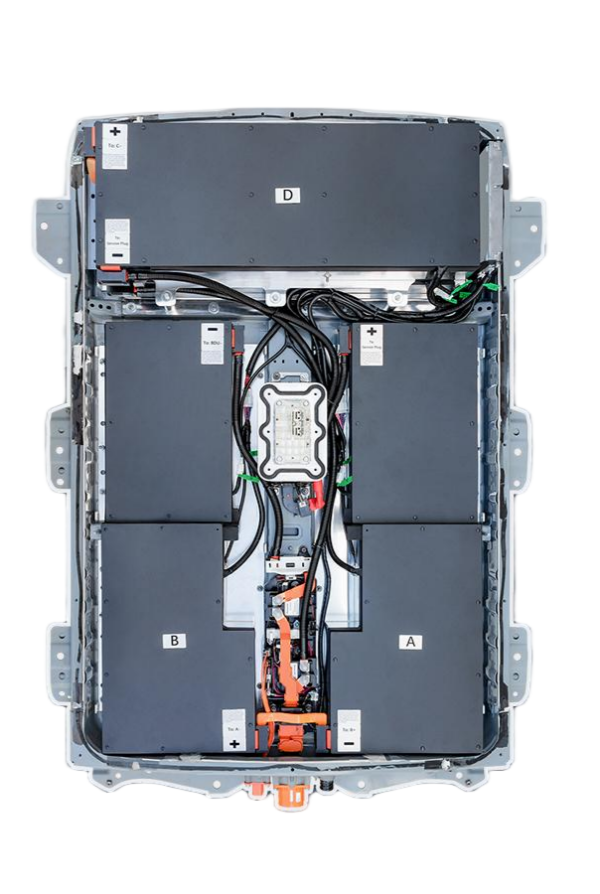
Upgrading your Nissan Leaf AZE0 to a 68kWh battery pack is a game-changer. As an electric vehicle enthusiast or a professional technician, you understand that this specific upgrade bridges the gap between the standard 62kWh packs and the high-end 80kWh+ options, offering a significant range boost without the complexity of a full chassis modification.
At CNS BATTERY, we specialize in OEM-compatible Nissan and BMW powertrains. We know that swapping to a 68kWh pack isn’t just about plugging in a bigger battery; it’s about ensuring seamless BMS (Battery Management System) communication, thermal management, and structural integrity.
This guide provides you with the expert tips and technical insights necessary to execute a flawless Leaf AZE0 68kWh battery swap, ensuring your vehicle performs at its absolute best.
📈 Why Choose the 68kWh Upgrade for Your Leaf AZE0?
The Nissan Leaf AZE0 series is renowned for its reliability, but the older 24kWh or 30kWh models often struggle with range anxiety in modern driving conditions. While the standard 40kWh and 62kWh packs are common, the 68kWh upgrade represents the “sweet spot” for many owners.
- Extended Range: This capacity upgrade typically translates to a real-world range increase of approximately 130-150km compared to the 40kWh variant, effectively revitalizing your vehicle for highway commutes and long-distance travel.
- Cost Efficiency: Compared to the original manufacturer’s replacement cost, a high-quality aftermarket 68kWh pack, such as those engineered by CNS, can save you over 50% while utilizing brand-new, premium-grade cells.
- OEM Fitment: Unlike experimental DIY packs, a professionally engineered 68kWh solution is designed to fit the AZE0 chassis perfectly, maintaining the vehicle’s original safety crumple zones and weight distribution.
🔧 Pre-Swap Preparation: The Technical Checklist
Before you lift your Leaf, preparation is key. A successful swap relies on more than just physical strength; it requires the right information and tools.
1. Compatibility Verification (The VIN Check)
Not all batteries are created equal, even within the AZE0 generation. Before purchasing, always provide your VIN (Vehicle Identification Number) to your supplier.
- Expert Tip: The communication protocol and physical connector layout can vary slightly between model years (e.g., 2013 vs. 2017 AZE0). A mismatch here can lead to integration nightmares.
2. Essential Tools & Safety Gear
Working with high-voltage systems demands respect. Gather the following:
- Insulated Tools: High-voltage insulated wrenches and screwdrivers.
- PPE (Personal Protective Equipment): Dielectric gloves and safety glasses.
- Lifting Equipment: A robust transmission jack or a dedicated EV battery trolley capable of handling the 300-400kg weight.
3. The “Heart” of the Matter: Cell Quality
When selecting your 68kWh pack, scrutinize the cell chemistry. At CNS, we utilize brand-new CATL (Contemporary Amperex Technology Co. Limited) cells. These cells are chosen for their superior thermal stability and cycle life, far surpassing the performance of recycled or degraded second-life cells often found in the market.
🛠️ Step-by-Step Swap: Installation Insights
While the full installation process can take a professional 1-2 hours, here are the critical stages where attention to detail prevents future issues.
Step 1: Power Down & Disconnect
Never skip this. Disconnect the 12V auxiliary battery first. Then, locate the main service disconnect (MSD) or the main contactors within the high-voltage circuit. Verify with a multimeter that the system is at 0V before touching any orange cables.
Step 2: Removal of the Old Pack
Secure your lift and carefully unbolt the undertray and battery mounts. The old pack is heavy; ensure your jack is centered and stable. Pay attention to the routing of the high-voltage cables and the signal harnesses.
Step 3: The BMS Handshake (Critical)
This is the most crucial step for the 68kWh upgrade. The new battery’s BMS must communicate with the Leaf’s Vehicle Control Unit (VCU).
- Expert Tip: If you encounter communication errors, do not force the system. Most modern packs, including CNS solutions, require specific programming steps or adapter modules to “register” the new capacity with the car’s dashboard.
Step 4: Torque to Spec
When bolting the new 68kWh pack into place, do not over-tighten. Follow the manufacturer’s torque specifications precisely. Over-tightening can crack the battery casing or damage the internal busbars.
🛡️ Post-Installation: Calibration & Maintenance
Once the physical swap is complete, the job isn’t over. Proper calibration ensures the longevity of your investment.
- The First Charge: Perform a full charge cycle (0% to 100%) immediately after installation. This helps the BMS recalibrate its State of Charge (SoC) algorithm.
- Thermal System Check: If your 68kWh pack utilizes a liquid cooling system (common in remanufactured packs for this capacity), check for leaks after the first drive. Ensure the coolant lines are properly clamped and bled of air.
- Warranty Activation: Register your warranty immediately. A reliable supplier, like CNS, offers comprehensive coverage (typically 2 years or 80,000 km) that covers defects and performance degradation.
📊 Why Choose a CNS 68kWh Solution?
To help you understand the value proposition of choosing a premium aftermarket solution, here is a quick comparison:
| Feature | Standard Refurbished Pack | CNS 68kWh Premium Pack |
|---|---|---|
| Cell Source | Recycled/Used cells (High degradation risk) | Brand New CATL Cells (Top-tier quality) |
| Warranty | 3-6 months (Limited coverage) | 2 Years / 80,000 km (Industry leading) |
| Compatibility | Often requires chassis modification | OEM Fitment (Plug-and-Play) |
| Price | Low upfront, high failure risk | 50% Savings vs OEM, Superior Reliability |
❓ Frequently Asked Questions (FAQ)
Q1: Is a 68kWh battery a direct fit for my Leaf AZE0?
Yes, but with a caveat. The physical dimensions of a 68kWh pack are engineered to fit the AZE0 chassis. However, you may need to verify if your specific model year requires a BMS adapter or software update to recognize the increased capacity. Always consult with a technical expert before ordering.
Q2: How much range can I expect from a 68kWh Leaf?
Real-world range depends on driving habits and climate. However, you can generally expect a 400km – 470km range on a full charge in temperate conditions. This is a massive improvement over the older 24kWh or 30kWh models, which often struggled to reach 150km in winter.
Q3: What is the lifespan of a new 68kWh battery pack?
A battery pack utilizing new, high-quality lithium-ion cells (like CATL) typically lasts for 10-15 years or 200,000 to 300,000 kilometers before dropping below 70-80% of its original capacity. Proper maintenance, such as avoiding constant 100% charging in hot weather, can extend this lifespan.
Q4: Can I install this myself, or do I need a mechanic?
If you are mechanically inclined and have the proper safety equipment (insulated tools, lift), a DIY installation is possible. The process is largely bolt-on. However, due to the high-voltage risks and potential BMS programming requirements, we strongly recommend having a certified EV technician perform the installation to avoid voiding warranties or causing damage.
Q5: How do I get a quote for a 68kWh Leaf AZE0 battery?
Getting a personalized quote is simple. You just need to provide your vehicle details to a specialist.
Ready to revive your Nissan Leaf AZE0 with a powerful 68kWh upgrade? Ensure you get the right fitment and expert support.