🛠️ The Ultimate Nissan Leaf 24kWh to 68kWh Battery Fix Tutorial
Is your Nissan Leaf struggling to make it past the grocery store? You’re not alone. Many early adopters of the Nissan Leaf (specifically the 24kWh models) are facing the harsh reality of battery degradation. The good news is that a full battery replacement or upgrade is not only possible but can be a cost-effective way to give your car a second life.
At CNS BATTERY, we specialize in OEM-compatible Nissan Leaf batteries. We understand that replacing a battery is a significant investment, which is why we focus on providing Original Equipment Manufacturer (OEM) compatible solutions that save you over 50% in costs compared to factory replacements.
This comprehensive guide will walk you through the process of upgrading from a 24kWh pack to a powerful 62kWh or 68kWh lithium-ion battery pack, ensuring you get the most range and value out of your vehicle.
📉 Why Upgrade from 24kWh?
The original 24kWh Nissan Leaf (often the ZE0 or early ZE1 models) was a pioneer in the EV market. However, after years of use, the battery capacity often drops significantly.
- Original Range: ~117 miles (188 km) when new.
- Current Reality: Often degraded to less than 60 miles (100 km), making it impractical for daily use.
- The Solution: Upgrading to a 62kWh or 68kWh battery can nearly triple your range, bringing it up to approximately 230 miles (370 km).
Expert Insight: While the 24kWh battery is a sealed unit, the newer Leaf generations (ZE1, AZE0) utilize a modular design. This modularity is what makes the “Leaf to Leaf” battery swap possible and safe.
🧰 Preparing for the Swap: Tools & Safety
Before you begin, it is crucial to prioritize safety. Lithium-ion batteries store a large amount of energy. If you are not a certified technician, we strongly recommend professional installation. However, for experienced DIY enthusiasts, here is what you need:
Essential Tools
- Insulated Tools: Socket sets, torque wrenches (specifically 10mm, 13mm, 14mm sockets).
- PPE (Personal Protective Equipment): Insulated rubber gloves and safety glasses.
- Lifting Equipment: A transmission jack or engine hoist capable of holding at least 300kg (the weight of the battery pack).
- Cleaning Supplies: Battery terminal cleaner and dielectric grease.
Safety First
- Disconnect the Vehicle: Ensure the car is powered off and the key is removed.
- Isolate the 12V Battery: Disconnect the negative terminal of the car’s 12V auxiliary battery to cut all power.
- Wait: Allow the system to discharge for at least 10 minutes before touching any high-voltage components.
🔧 Step-by-Step Installation Guide
This tutorial assumes you are upgrading a compatible chassis (such as a ZE0 or ZE1) to a larger capacity pack. Please verify compatibility with your specific VIN before purchasing.
1. Removing the Old 24kWh Battery
- Access the Undercarriage: Safely lift the vehicle using a hydraulic jack and secure it with axle stands.
- Remove Skid Plates: Unbolt the plastic underbody covers.
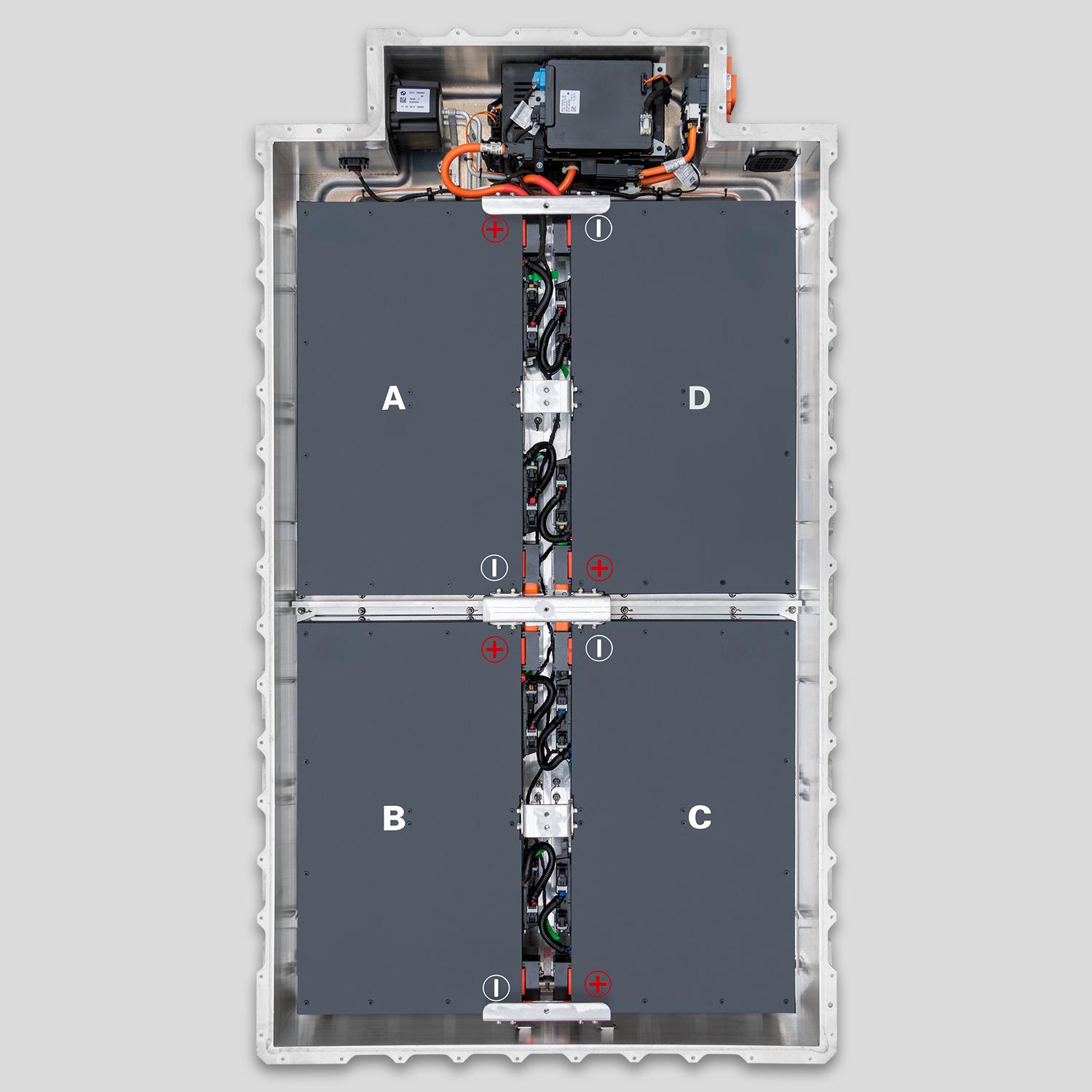
- Disconnect Wiring: Carefully disconnect the high-voltage (HV) cables and the Battery Management System (BMS) connectors. Note the routing of these cables for reinstallation.
- Unbolt the Pack: Remove the mounting bolts securing the battery to the chassis.
- Lower the Pack: Using the jack, slowly lower the old battery out of the vehicle.
2. Installing the New 62kWh/68kWh Battery
- Preparation: Before lifting, inspect the new CNS BATTERY pack. Ensure all bolts are tight and the casing is undamaged.
- Lift and Align: Carefully lift the new battery into the chassis. The mounting points for the Nissan Leaf series (ZE0, ZE1, AZE0) are standardized, ensuring a perfect OEM fit.
- Secure the Pack: Reinstall the mounting bolts. Torque them to the manufacturer’s specification (typically 30-40 Nm, but refer to your specific manual).
- Reconnect Wiring: This is the most critical step.
- Connect the HV cables (positive and negative).
- Reconnect the BMS communication harness.
- Tip: Our CNS batteries are designed with color-coded connectors to match the factory wiring, minimizing installation errors.
3. System Integration & Programming
Unlike generic aftermarket batteries, a CNS BATTERY OEM-compatible pack is designed to communicate seamlessly with the Nissan Leaf’s Vehicle Control Module (VCM).
- BMS Programming: You will need an OBD2 scanner or Nissan Consult III/IV interface to reset the BMS and VIN matching.
- The “Plug-and-Play” Advantage: Because our packs use the same communication protocols as the original factory units, the programming process usually takes less than 30 minutes. If you encounter issues, our technical support team offers remote video guidance to walk you through the coding process.
📈 Why Choose a CNS BATTERY Upgrade?
When you are spending thousands of dollars to fix your car, you need to trust the brand. Here is why CNS BATTERY is the preferred choice for mechanics and owners globally:
| Feature | CNS BATTERY | Generic/Refurbished |
|---|---|---|
| Cell Quality | Brand New CATL Cells (Top-tier quality, zero defects) | Recycled/Used cells (Risk of swelling, early failure) |
| Warranty | 2 Years / 80,000 km | Often 6-12 months or none |
| Cost | ~50% less than Nissan OEM | Cheap upfront, but high risk of failure |
| Compatibility | Perfect OEM fit for Leaf ZE0/AZE0/ZE1 | Often requires chassis modification |
Key Benefits:
- Zero Modification: No cutting, welding, or drilling required. It fits like the original.
- Ultimate Safety: Our packs include robust Battery Management Systems (BMS) and thermal management to prevent overheating.
- Longevity: Brand new cells mean you are looking at another 8-10 years of reliable service.
🗨️ Real Owner Experience
“I had a 2013 Leaf with a dead 24kWh battery. I was quoted $15,000 by the dealership. I found CNS and bought a 62kWh pack for under $8,000. I installed it myself in one day. The range is incredible now—over 200 miles. It feels like a brand new car.” – Mark T., California
❓ Frequently Asked Questions (FAQ)
Q1: Is the 24kWh to 68kWh upgrade a direct fit?
A: Yes, for compatible Nissan Leaf generations (ZE0, ZE1, AZE0). The chassis mounting points are identical. However, you will need to ensure your car’s software (VCM/BMS) is updated to recognize the higher kWh rating. Our team provides full technical support for this coding process.
Q2: How long does the installation take?
A: For a professional technician, the physical swap usually takes 1-2 hours. If you are doing it yourself for the first time, budget 3-4 hours to ensure you do not rush and damage any connectors.
Q3: What is the range after the upgrade?
A: A brand new 62kWh CNS BATTERY pack will provide a full charge range of approximately 230-245 miles (370-394 km) in ideal conditions, depending on your driving style and climate.
Q4: Do I need to modify the charging port?
A: No. The charging protocol remains the same. The car will automatically communicate with the charging station based on the new battery’s capacity.
🚀 Ready to Fix Your Nissan Leaf?
Don’t let a degraded battery end your EV journey. Upgrading to a CNS BATTERY is the most reliable and cost-effective way to restore your Nissan Leaf’s performance.
Get Your Custom Quote Now and speak to one of our technical experts to confirm your vehicle’s compatibility. We offer free VIN checks and lifetime technical support.