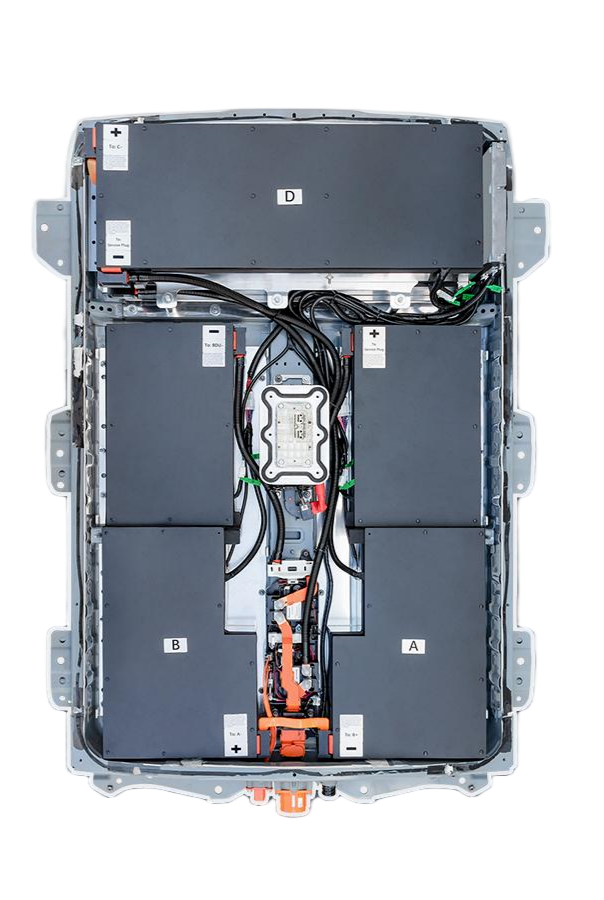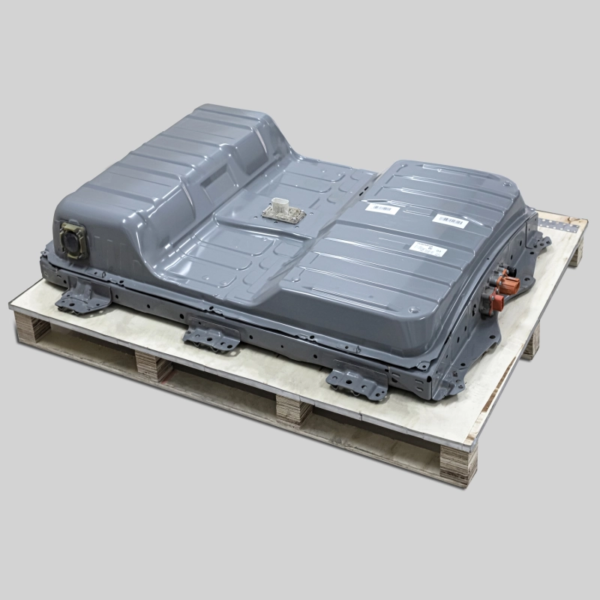
⚡️ Leaf AZE0 vs Kinghorn: Which Swap Solution is Best?
Choosing the right replacement battery for your Nissan Leaf is a high-stakes decision. If you drive a Leaf AZE0 model, you know that the original battery packs are reaching the end of their lifespan, leading to frustrating range anxiety. While the aftermarket is flooded with options, two names consistently come up in the search for a cost-effective solution: the Leaf AZE0 specific replacement and the Kinghorn conversion kit.
As a professional manufacturer specializing in Nissan EV batteries for over a decade, we often get asked: “Should I go for a direct AZE0 replacement or convert my older Leaf to a Kinghorn (Leaf 40kWh) spec?”
This guide breaks down the technical differences, costs, and long-term reliability to help you decide which solution is best for your wallet and your driving needs.
⚙️ Understanding the Core Difference
Before diving into the pros and cons, let’s define what we are comparing.
The Leaf AZE0 (Direct Replacement)
The Nissan Leaf AZE0 refers to the specific chassis code for the 2013-2017 Nissan Leaf models. These vehicles originally came with 24kWh or 30kWh battery packs. The “best” solution for these cars is often considered to be a direct OEM-spec replacement.
- Pros: Plug-and-play compatibility. It fits perfectly without modifications to the chassis or wiring harness.
- Cons: Finding brand-new OEM-spec packs can be challenging, and refurbished options often lack longevity.
The Kinghorn Conversion (Leaf 40kWh)
The term “Kinghorn” refers to a specific aftermarket conversion kit (named after the Kinghorn Battery Company) that allows you to install a Nissan Leaf 40kWh (ZE1) battery pack into an older 24kWh or 30kWh Leaf (like the AZE0).
- Pros: You get a larger capacity battery (40kWh vs 24/30kWh) for a lower price point.
- Cons: It is a “Frankenstein” solution. It requires physical modifications to the car’s chassis (cutting and welding) and significant rewiring to adapt the newer pack to the older car’s electronics.
⚖️ The Comparison: Direct Fit vs. Mechanical Hack
To help you visualize the trade-offs, here is a breakdown of the key factors:
1. Installation Complexity & Safety
- Leaf AZE0 Replacement: This is the simplest route. A direct-fit battery pack installs using the factory mounting points and connectors. There is no need to cut your car’s frame or splice wires.
- Kinghorn Solution: This is a mechanical hack. It involves cutting the floorpan of your car to fit the larger 40kWh pack and rewiring the Battery Management System (BMS). This introduces potential safety risks (water ingress, structural integrity) and often voids any remaining vehicle warranties.
2. Cost vs. Value
- Kinghorn: Initially appears cheaper because the 40kWh packs are often sourced from salvage yards (used).
- Leaf AZE0: While the upfront cost might be slightly higher for a brand-new pack, the total cost of ownership is often lower. You avoid the labor costs of a complex modification shop visit and the risk of future electrical fires or corrosion issues caused by the hack.
3. Performance and Range
- Kinghorn: Upgrades you from 24kWh to 40kWh, which is a significant boost.
- Leaf AZE0: Modern direct-replacement batteries, like those offered by CNS, now offer 62kWh and even 68kWh options specifically designed for the AZE0 chassis. This means you can get double the original range without cutting your car apart.
🏆 The Verdict: Why a Direct OEM-Compatible Solution Wins
Based on our experience in manufacturing thousands of battery packs, we recommend a direct OEM-compatible solution for the Leaf AZE0 over the Kinghorn conversion.
Here is why:
- Preservation of Vehicle Integrity: Your car is a complex machine. Cutting the chassis compromises its structural rigidity and safety ratings. A direct swap keeps your car factory-standard.
- Reliability: Modified wiring harnesses and BMS adapters are the #1 cause of “no communication” errors and charging failures in converted Leafs. A direct-fit pack eliminates these adapter failure points.
- Future-Proofing: If you ever decide to sell the car, a non-modified, direct-replacement battery holds more value than a hacked-together conversion that scares off potential buyers.
💡 The Ultimate Upgrade: CNS BATTERY for Leaf AZE0
If you are looking for the “best” solution for your Leaf AZE0, look beyond just replacing the old battery. At CNS BATTERY, we don’t just replicate old technology; we upgrade it.
We specialize in OEM-compatible, high-capacity battery packs specifically engineered for the Nissan Leaf AZE0 chassis. You don’t need to cut your car (Kinghorn style) to get more range. We offer:
- Plug-and-Play 62kWh & 68kWh Upgrades: Designed to fit the AZE0 chassis perfectly without modifications.
- Brand-New CATL Cells: Unlike Kinghorn conversions that often rely on salvaged cells, we use brand-new, top-tier cells for maximum longevity and safety.
- Zero-Fault Reliability: Our packs are engineered to communicate seamlessly with the AZE0’s original BMS, eliminating the need for risky adapter boards.
Don’t turn your car into a science experiment. Choose a solution that offers the safety of OEM engineering with the range of a modern EV.
❓ FAQ: Leaf AZE0 Battery Replacement
Q: Can I install a 62kWh battery in my Leaf AZE0 without modifying the car?
A: Yes. While older solutions like the Kinghorn kit required chassis modifications, modern manufacturers like CNS produce battery packs specifically designed to fit the AZE0 chassis dimensions. These are direct drop-in replacements that utilize the original mounting points and connectors.
Q: Is the Kinghorn conversion still a viable option in 2026?
A: It is generally not recommended unless you are on an extremely tight budget and have the mechanical skills to handle potential future repairs. The risks of water leakage, BMS incompatibility, and structural damage outweigh the initial cost savings for most drivers.
Q: What is the range difference between a Kinghorn (40kWh) and a CNS AZE0 upgrade (62kWh)?
A: The difference is substantial. A 40kWh pack typically offers around 160-180 km of real-world range. In contrast, a 62kWh CNS battery can provide up to 430 km of range, effectively doubling your driving distance without the hassle of a conversion.
Q: Do I need to change the software in my Leaf AZE0 for a new battery?
A: For a direct OEM-spec replacement (like the CNS pack), the software is usually plug-and-play. However, when upgrading to a higher capacity (e.g., 62kWh), minor BMS parameter adjustments might be needed, which our technical team can guide you through via remote programming support.
Ready to upgrade your Leaf AZE0 with a safe, direct-fit solution? Get a Free Custom Quote today and see how you can double your range without cutting your car.