🚀 Is a Nissan e-NV200 Van 40kWh Upgrade Worth It? (2026 Expert Review)
The Bottom Line Up Front: If you are driving a Nissan e-NV200 and finding the range limiting for your daily deliveries or commutes, upgrading to a 40kWh Lithium Battery Pack is not just “worth it”—it is a cost-effective resurrection of your vehicle in 2026.
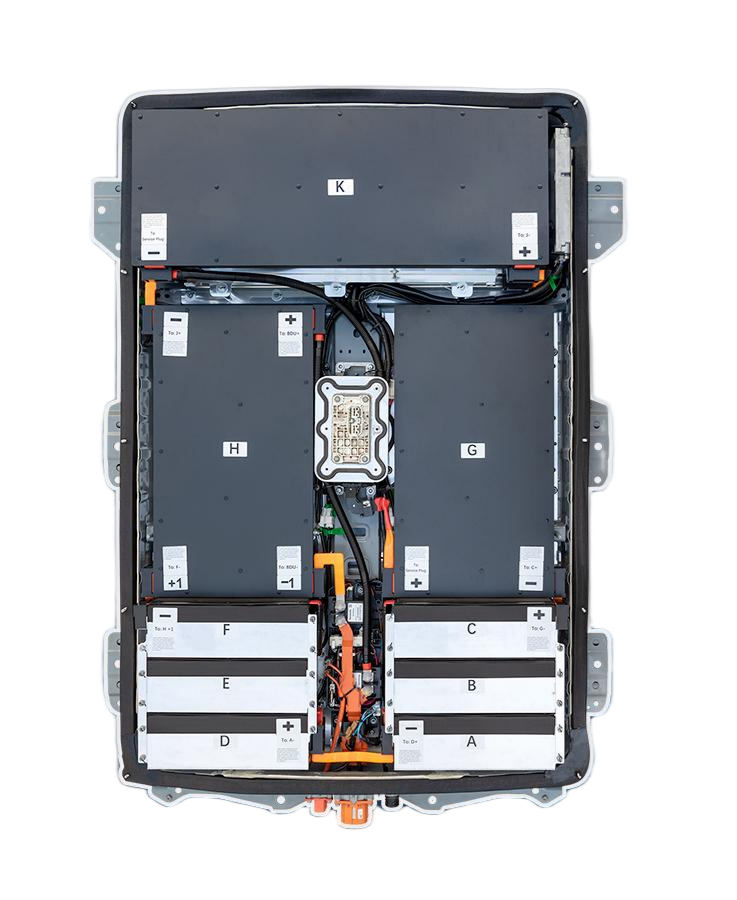
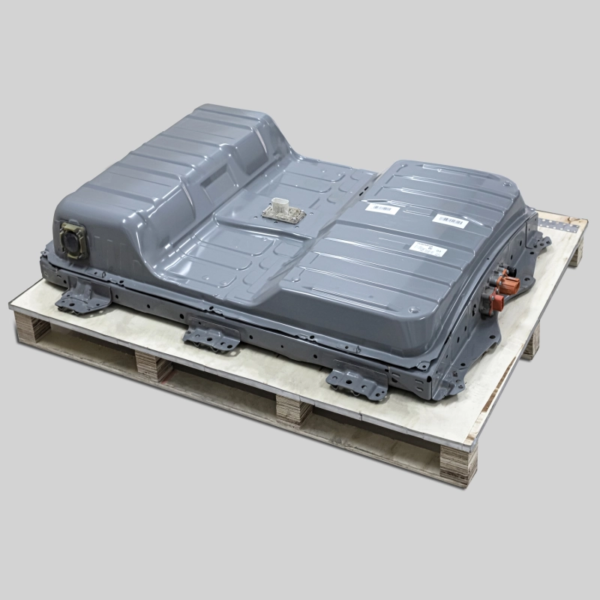
As a battery expert, I have seen countless e-NV200 owners stuck with degraded original packs or underpowered early models. The 40kWh upgrade offers a perfect balance of range extension and affordability, often costing 50% less than OEM replacements while utilizing brand-new, high-quality CATL cells.
Here is a detailed breakdown of why this upgrade makes financial and practical sense right now.
🤔 The “Range Anxiety” Problem in 2026
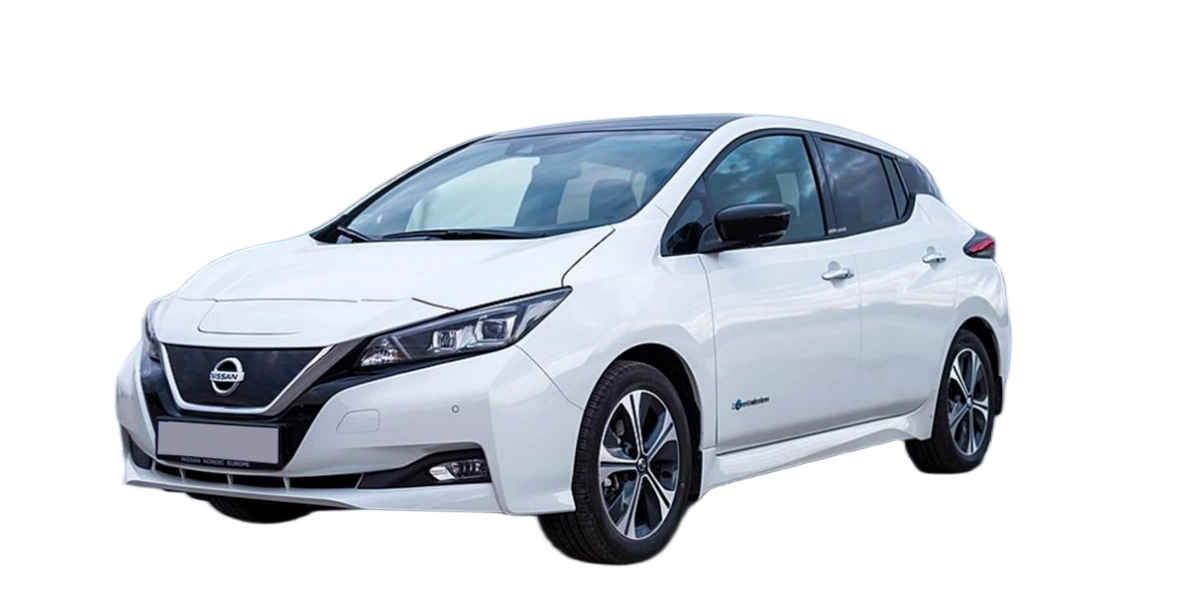
The Nissan e-NV200 is a beloved workhorse, but like any electric vehicle, its original battery suffers from degradation over time. If your van was manufactured before 2018, it likely came with a 24kWh or 30kWh pack. Even the newer 40kWh models from a few years ago might be showing signs of wear.
The reality check:
- Original State: 80-120 km (50-75 miles) of real-world range.
- Current State (Degraded): Often drops to 60 km (37 miles) or less, making it nearly unusable for business.
This is where the upgrade comes in. Replacing your old pack with a brand-new 40kWh Lithium Battery Pack can double your range instantly.
⚡ Why the 40kWh Upgrade is the “Sweet Spot”
You might be wondering why not go for a 62kWh pack. While larger packs exist, the 40kWh option is specifically engineered for the e-NV200’s chassis and motor capabilities.
- Perfect Fit & Compatibility: Unlike retrofitting batteries from other models, a dedicated 40kWh pack for the e-NV200 ensures OEM-standard fitment. There is no need to modify the chassis or wiring harness.
- Real-World Range Boost: A new 40kWh pack restores your van to its “factory new” glory, delivering a reliable 240-270 km (150-170 miles) of range. This is sufficient for most urban delivery routes and daily commutes without the weight and cost of a larger pack.
- Cost Efficiency: This is the biggest factor. Purchasing a brand-new 40kWh pack from a specialized manufacturer like CNS BATTERY costs roughly half of what Nissan charges for a factory replacement. For a business owner, this is a massive reduction in operational costs.
📊 New vs. Refurbished vs. OEM: The 2026 Comparison
To help you make a confident decision, let’s compare the options available in the current market.
| Feature | New 40kWh Pack (Recommended) | Refurbished/Used Battery | Original Nissan OEM |
|---|---|---|---|
| Cell Quality | Brand-new CATL cells (Top-tier) | Recycled/aged cells (High risk of swelling) | Factory cells (Same quality as new) |
| Price | ~50% of OEM cost | Low upfront cost, but high risk | Very Expensive |
| Warranty | 2 Years / 80,000 km | Usually None or 3 months | Standard Manufacturer Warranty |
| Longevity | 10+ years (Like a new car) | 6 months to 2 years | 8+ years |
| Risk | Low (Zero defect rate) | High (Swelling, fire hazard) | Low |
Expert Insight: I strongly advise against refurbished batteries. While they look cheap initially, the risk of cell swelling and sudden power failure is too high for a commercial vehicle you rely on. Investing in a new pack ensures “zero-failure” reliability.
💰 The Financial Math: Is it Worth the Investment?
Let’s break down the numbers. A Nissan e-NV200 with a dead battery is essentially scrap metal, valued at a few thousand dollars. Buying a brand-new van is expensive.
- Scenario A (Do Nothing): Your van sits idle. You lose business opportunities.
- Scenario B (Buy New Van): Cost: $30,000+.
- Scenario C (40kWh Upgrade): Cost: $7,000 – $9,000 (depending on supplier).
By choosing the upgrade, you effectively have a “new” van for a fraction of the price. The restored range means you can take on longer routes, charge less frequently, and work longer hours without range anxiety.
🛠️ What to Expect During the Installation
One of the biggest concerns owners have is the complexity of the swap.
- Time Required: A professional technician can usually complete the swap in 1-2 hours.
- Process: It is largely a “Plug-and-Play” operation. The connectors match the original factory specifications, so there is no need for complex rewiring.
- Support: If you are working with a reputable supplier, they should offer video call support or detailed manuals to ensure the BMS (Battery Management System) is programmed correctly. This is crucial for safety and range accuracy.
🌟 Why Trust a 2026 Battery Solution?
Technology has advanced significantly since the e-NV200 was first released. Modern 2026 battery solutions, like those offered by specialized manufacturers, often include smarter BMS technology that protects against overcharging, deep discharging, and overheating—features that might be outdated in your original 8-year-old battery.
Key Takeaway: You are not just buying a battery; you are upgrading the safety and intelligence of your vehicle’s powertrain.
❓ Frequently Asked Questions (FAQ)
Q1: Will a 40kWh upgrade fit my specific e-NV200 model?
A: Yes, but it is essential to verify compatibility. Dedicated 40kWh packs are designed for specific e-NV200 chassis codes. Before purchasing, you should provide your VIN (Vehicle Identification Number) to the supplier for a free compatibility check to ensure the dimensions and connectors match your model year.
Q2: How long does the installation take, and do I need special tools?
A: Professional installation typically takes 1-2 hours. You do not need specialized proprietary tools. Standard automotive wrenches and screwdrivers are sufficient. The process involves disconnecting the old battery, removing the mounting brackets, installing the new pack, and reconnecting the cables. Most suppliers provide step-by-step video guides for DIY enthusiasts.
Q3: What kind of warranty should I expect on a 2026 aftermarket battery?
A: A reputable 2026 aftermarket battery should come with a robust warranty. Look for offers of at least 2 Years or 80,000 km. This warranty should cover manufacturing defects and guarantee that the battery maintains at least 70% of its capacity over the warranty period. This is often better than what is offered for refurbished units or even some OEM exchanges.
Q4: Are these batteries safe? I’ve heard horror stories about aftermarket EV parts.
A: Safety depends entirely on the manufacturer. You should only consider batteries made with brand-new cells from Tier-1 suppliers like CATL. Avoid “recycled” or “repurposed” cells, as these degrade rapidly and can be a fire hazard. A safe aftermarket battery will have passed rigorous UN38.3 testing for transport and use. Always check if the supplier provides a Safety Data Sheet (SDS).
Q5: Where can I get a quote for my e-NV200 upgrade?
A: You can get a personalized quote by contacting a specialized battery manufacturer directly. They will ask for your vehicle model and current specifications to provide an accurate price, including shipping options to your location.
Ready to restore your e-NV200 to its full potential? Get Your Free Custom Quote Now