Why Prismatic Cells are the Future of Aftermarket EV Swaps
If you are driving a Nissan Leaf or a BMW i3, the time will come when the original battery pack needs replacement. For many owners, the sticker shock of an OEM replacement is often the biggest hurdle. However, simply opting for the cheapest recycled battery is a gamble with your safety and vehicle performance.
The true future of the aftermarket EV battery industry lies in Prismatic Lithium Iron Phosphate (LFP) cells. At CNS BATTERY, we have seen firsthand how this technology is revolutionizing the way we approach EV maintenance. It offers the perfect balance of safety, longevity, and cost-efficiency.
Here is why prismatic cells are rapidly becoming the standard for aftermarket EV swaps.
🏭 The Structural Superiority of Prismatic Cells
When it comes to replacing the battery in your Nissan Leaf or BMW i3, the physical design of the cell matters immensely.
Unlike cylindrical cells (like the 18650 or 21700 types found in Tesla models), prismatic cells are flat and rectangular. This design offers several distinct advantages:
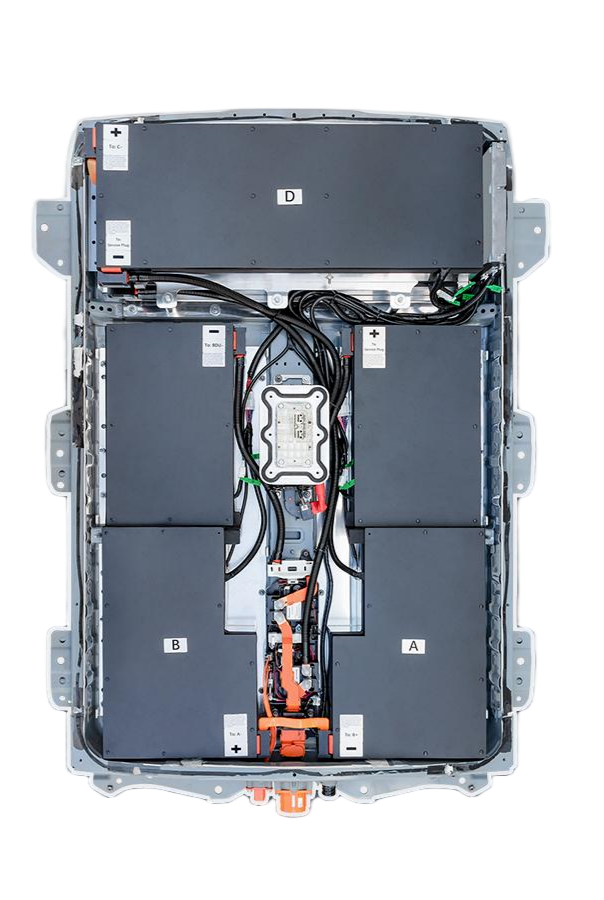
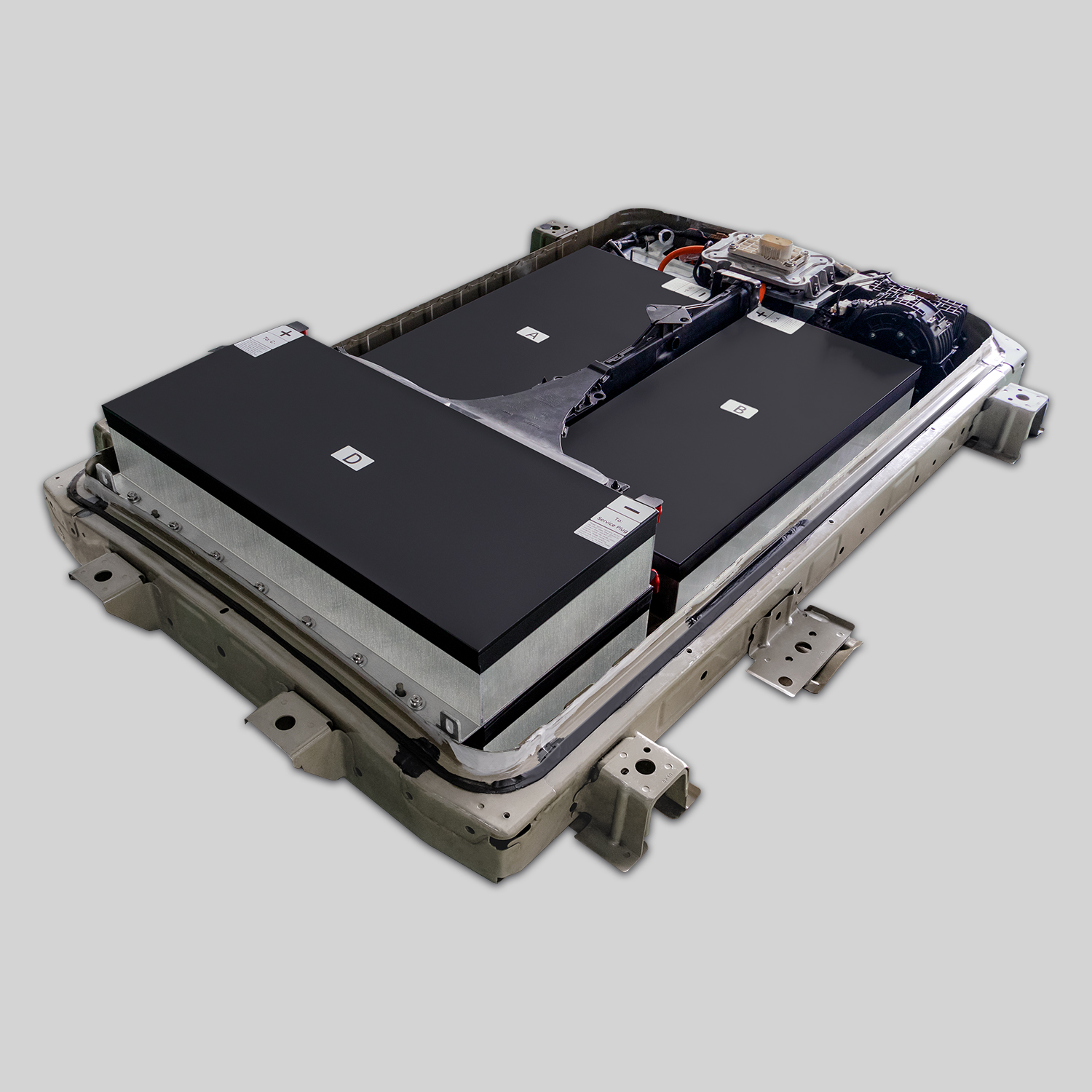
- Optimal Space Utilization: The flat, stackable nature of prismatic cells allows for a much higher “pack-to-cell” ratio. In simpler terms, you get more actual battery power and less wasted space on metal casings and structural supports.
- Simplified Assembly: For manufacturers and DIY enthusiasts, stacking flat cells is mechanically simpler than welding thousands of small cylinders. This reduces the complexity of the Battery Management System (BMS) wiring and the physical mounting hardware.
- Reduced Swelling: Prismatic cells, especially high-quality LFP variants, exhibit less volumetric expansion over their lifespan compared to cylindrical designs. This ensures the battery pack maintains its structural integrity for years.
For the Nissan Leaf, which has a notoriously tight battery bay, the space efficiency of prismatic cells is a game-changer. It allows us to fit higher capacity packs (such as our 62kWh or 68kWh options) into the original chassis without major modifications.
🔋 Lithium Iron Phosphate (LFP): The Chemistry of Choice
The shift towards prismatic cells is often coupled with a shift in chemistry: Lithium Iron Phosphate (LFP).
While the original BMW i3 and early Nissan Leafs used NMC (Nickel Manganese Cobalt) chemistry, LFP is quickly becoming the gold standard for replacement packs. Here is why:
- Ultimate Safety: LFP chemistry is inherently more stable. It has a much higher thermal runaway threshold, meaning it is far less likely to catch fire or explode, even under extreme stress or physical damage.
- Longevity: LFP cells can typically endure 3,000 to 6,000 charge cycles while maintaining 70-80% capacity. Compare this to the 500-1,000 cycles of older NMC chemistries, and you see a battery that lasts decades, not years.
- Cost Efficiency: LFP cells do not require expensive cobalt or nickel. This allows us to offer a brand-new, factory-fresh battery at roughly 50% of the cost of an OEM replacement.
Expert Insight: At CNS, we utilize brand-new CATL prismatic cells for our premium packs. CATL is the world’s largest battery manufacturer, and their prismatic LFP technology ensures you are not just buying a battery, but a reliable powertrain solution.
🆚 OEM vs. Aftermarket: The Prismatic Advantage
To understand why prismatic cells are the future, let us compare the typical options available to an EV owner today.
| Feature | Original OEM NMC Battery | Recycled/Refurbished Batteries | New Prismatic LFP (CNS BATTERY) |
|---|---|---|---|
| Cell Type | Cylindrical or Pouch | Mixed/Unknown | Prismatic (Stacked) |
| Chemistry | NMC (Nickel Cobalt) | Degraded NMC | LFP (Cobalt-Free) |
| Lifespan | 5-8 Years | 1-3 Years (High Risk) | 10+ Years (Guaranteed) |
| Cost | $12,000 – $16,000 | $3,000 – $5,000 (Unreliable) | $6,000 – $8,000 (New) |
| Warranty | Standard (Often < 80k km) | None or Short | 2 Years / 80,000 km |
The Verdict: Recycled batteries are a gamble. You are buying someone else’s used parts. OEM replacements are prohibitively expensive. The prismatic aftermarket solution offers a “third way”: brand-new, high-quality cells at a fraction of the cost, specifically engineered to fit your vehicle’s chassis.
🚀 Real-World Performance: Nissan Leaf & BMW i3
Let us look at how this technology translates into real-world driving for the two most popular electric cars in the aftermarket space.
1. The Nissan Leaf: A Second Life
The Nissan Leaf was the pioneer of mass-market EVs, but its early batteries (ZE0/AZE0) are now reaching the end of their life. Instead of scrapping these reliable cars, prismatic LFP packs are giving them a second life.
- Capacity Boost: We can upgrade a standard 24kWh or 30kWh Leaf to a modern 62kWh or even 68kWh capacity.
- Range Recovery: This upgrade restores the driving range to over 400km on a single charge, making the car viable for modern commutes.
- Perfect Fit: Because prismatic cells are flat, they can be arranged to mimic the original battery’s voltage and physical dimensions, ensuring a plug-and-play installation.
2. The BMW i3: Reliability Meets Range
The BMW i3, especially the range-extender (REx) models, suffers from complex and expensive battery degradation.
- Simplified Maintenance: Replacing the original high-voltage NMC pack with a new prismatic LFP solution eliminates the fear of thermal issues.
- Cost Savings: Owners report saving nearly $10,000 compared to dealership quotes, allowing them to keep their premium urban runabout on the road.
🛡️ Why Choose CNS BATTERY for Your Prismatic Swap?
As a leading manufacturer specializing in Nissan and BMW powertrains, CNS BATTERY is at the forefront of this prismatic revolution. We don’t just sell batteries; we engineer solutions.
- OEM Standards: We adhere to original factory R&D standards, ensuring ultimate safety and compatibility.
- Zero-Fault Reliability: Our packs are designed for “plug-and-play.” There are no error codes, no dashboard warnings—just seamless integration.
- Global Support: We support international sales with DDP (Delivered Duty Paid) services and offer lifetime technical support.
Don’t let an old battery kill your EV dream. Whether you drive a Nissan Leaf ZE1 or a BMW i3, upgrading to a new prismatic cell pack is the most cost-effective and safest path forward.
Ready to Upgrade?
Get a free custom quote for your vehicle today and see how much you can save.
👉 Get Your Free Custom Quote Now
❓ Frequently Asked Questions (FAQ)
Q1: Are prismatic cells better than cylindrical cells for EV swaps?
Yes, for specific applications like the Nissan Leaf and BMW i3, prismatic cells are superior. They offer better space utilization, are easier to cool effectively, and result in a more rigid pack structure that handles road vibrations better than thousands of individual cylindrical cells.
Q2: Will a new prismatic battery fit my 2014 Nissan Leaf?
Absolutely. Our packs are engineered to be OEM-compatible. They match the original voltage, dimensions, and connector types. Most installations take a professional mechanic 1-2 hours, or you can follow our step-by-step video guides for a DIY approach.
Q3: How long does a prismatic LFP battery last?
Our batteries, utilizing high-grade CATL cells, are designed to last over 10 years. We back this confidence with a 2-year / 80,000 km warranty, covering any defects in materials or workmanship, ensuring your investment is protected.