The Environmental Impact of Upgrading Your Battery vs. Buying New
As the world shifts toward electric vehicles (EVs), the environmental impact of our choices has never been more critical. If you own a Nissan Leaf or a BMW i3, you might be facing a pivotal decision: when your battery degrades, should you upgrade the existing battery or trade the car in for a brand-new model?
At CNS BATTERY, we are often asked this question. Our answer is rooted in data and sustainability. While buying a new car might seem like a fresh start, the ecological footprint of manufacturing a new vehicle is massive. Upgrading your existing battery, however, offers a compelling “green” alternative that aligns with the true spirit of eco-conscious driving.
🌍 The Hidden Carbon Cost of New Car Manufacturing
Most drivers focus on the tailpipe emissions (or lack thereof) when considering an EV’s green credentials. However, a significant portion of a car’s lifetime carbon emissions occurs before it even hits the road.
To understand the environmental impact of upgrading your battery vs. buying new, we must look at the lifecycle analysis:
- Resource Extraction: Mining lithium, cobalt, and nickel for batteries is energy-intensive and ecologically damaging.
- Manufacturing: Building the steel, aluminum, glass, rubber, and plastic components of a car requires vast amounts of energy.
- Transportation: Shipping a brand-new car across continents adds thousands of miles to its carbon ledger.
The Verdict: According to various lifecycle studies, producing a new car can generate between 6 to 12 tons of CO2 before the first mile is driven. By choosing to upgrade your battery instead of buying new, you effectively avoid this “carbon debt.”
🔋 Why Battery Upgrades are the Sustainable Choice
Upgrading your battery is essentially a form of upcycling. You are retaining the vast majority of the vehicle’s components—the chassis, motor, interior, and bodywork—which are already paid for in terms of energy consumption.
1. Maximizing Resource Efficiency
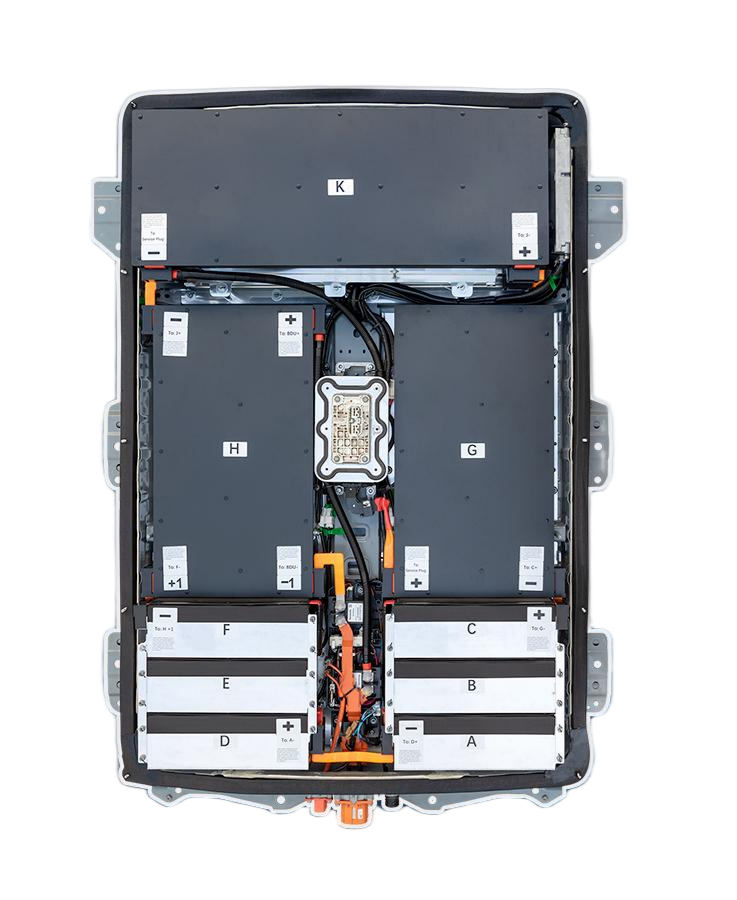
When you upgrade with a Nissan Leaf battery or a BMW i3 battery from CNS, you are utilizing an existing asset. We manufacture our packs using brand-new CATL cells, ensuring top-tier performance, but the rest of the car remains untouched. This drastically reduces the demand for new raw materials compared to building a whole new car.
2. Reducing Electronic Waste
The original battery pack doesn’t vanish into a landfill. While recycling infrastructure is improving, the most sustainable battery is the one that stays in use. By upgrading, you are giving your car a second life, preventing it from becoming scrap metal prematurely.
3. The Performance Parity
Critically, a modern replacement battery doesn’t just restore your car; it often improves it. Our upgraded packs offer higher kWh capacities (such as the 62kWh or 68kWh options for the Leaf), meaning you get a longer range and better efficiency than when the car was new—without the environmental cost of a new purchase.
🆚 A Direct Comparison: Upgrade vs. New
To visualize the difference, let’s compare the two paths for a typical Nissan Leaf owner.
| Comparison Factor | Buying a Brand New EV | Upgrading with CNS BATTERY |
|---|---|---|
| Carbon Footprint | High (6-12 tons CO2 from manufacturing) | Low (Only the footprint of the new cells) |
| Resource Usage | Requires 100% new materials | Reuses 80-90% of the existing vehicle |
| Cost to You | $30,000 – $50,000+ | ~50% less than OEM replacement costs |
| Waste Generated | The old car becomes scrap | Only the old battery cells (recyclable) |
| Time to “Green” | Takes years to offset manufacturing emissions | Immediate reduction in usage footprint |
⚙️ How CNS BATTERY Powers Sustainability
At CNS, we don’t just sell batteries; we provide a solution for the circular economy.
Premium Components, Zero Compromise
We understand that an upgrade is only sustainable if it lasts. That is why we use brand-new CATL lithium cells in every pack. These cells are manufactured to the highest safety and durability standards, ensuring your upgraded battery lasts for hundreds of thousands of miles.
OEM Compatibility
Our packs are engineered for plug-and-play compatibility with Nissan and BMW models. Whether you drive a Leaf ZE0, ZE1, AZE0, or a BMW i3, our batteries are designed to fit perfectly without modifications. This precision engineering means fewer errors, less waste, and a smoother transition for your vehicle.
A Warranty You Can Trust
To ensure your peace of mind, we back our products with an industry-leading 24-month / 80,000 km warranty. This long-term commitment reflects our confidence in the longevity of our batteries, further solidifying the upgrade path as the most sustainable choice.
📝 Making the Eco-Friendly Switch
If you are ready to reduce your environmental impact and extend the life of your beloved EV, the process is simple.
- Assess: Determine your current model (Leaf or BMW) and desired range.
- Select: Choose the appropriate kWh capacity. For maximum range on the Leaf, we recommend looking at the 62kWh or 68kWh options.
- Upgrade: Install the new pack. We provide detailed installation guides and video support to ensure a successful DIY or professional installation.
By upgrading, you are not just saving money; you are making a powerful statement about resource conservation.
❓ Frequently Asked Questions
1. Is upgrading my battery truly better for the environment than buying new?
Yes, significantly so. Manufacturing a new car produces a massive amount of CO2 before it is even driven. By upgrading the battery, you retain the existing vehicle structure, avoiding this “embodied carbon.” You are essentially recycling the car while only replacing the component that has degraded.
2. What happens to my old battery?
Your old battery can be recycled. Many scrapyards and specialized recycling facilities now accept EV batteries to recover valuable metals like lithium and cobalt. By replacing only the cells, you generate far less hazardous waste than scrapping an entire vehicle.
3. Will an upgraded battery perform as well as a new car’s battery?
Absolutely. We utilize brand-new CATL cells, which are the same quality standards used by major OEMs. Our packs are rigorously tested to ensure they meet or exceed the performance of the original factory batteries, often offering higher capacities for longer range.
4. How do I know if my Nissan or BMW is compatible?
We specialize in Nissan and BMW models. To confirm compatibility, simply provide your Vehicle Identification Number (VIN) to our team. We support a wide range of models, including the Nissan Leaf (ZE0, ZE1, AZE0) and the BMW i3.
5. What support does CNS BATTERY offer during the upgrade?
We provide comprehensive support. This includes detailed installation manuals, step-by-step video tutorials, and access to our technical experts via email or video call. We are committed to making your upgrade journey seamless and successful.
Ready to give your EV a second life? Stop the cycle of waste and upgrade with CNS BATTERY today.