🛡️ The Ultimate Guide to Waterproofing Your EV Battery Pack
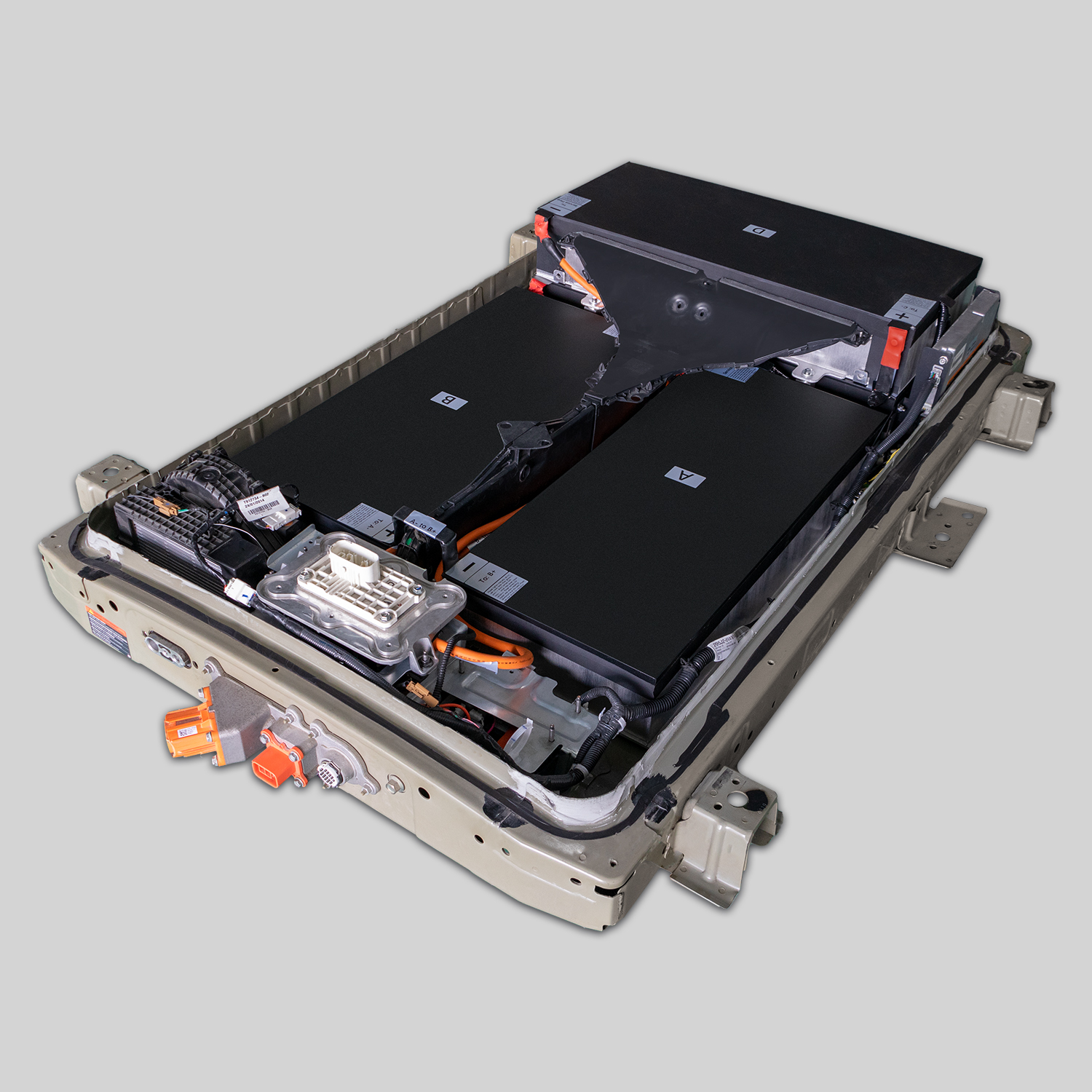
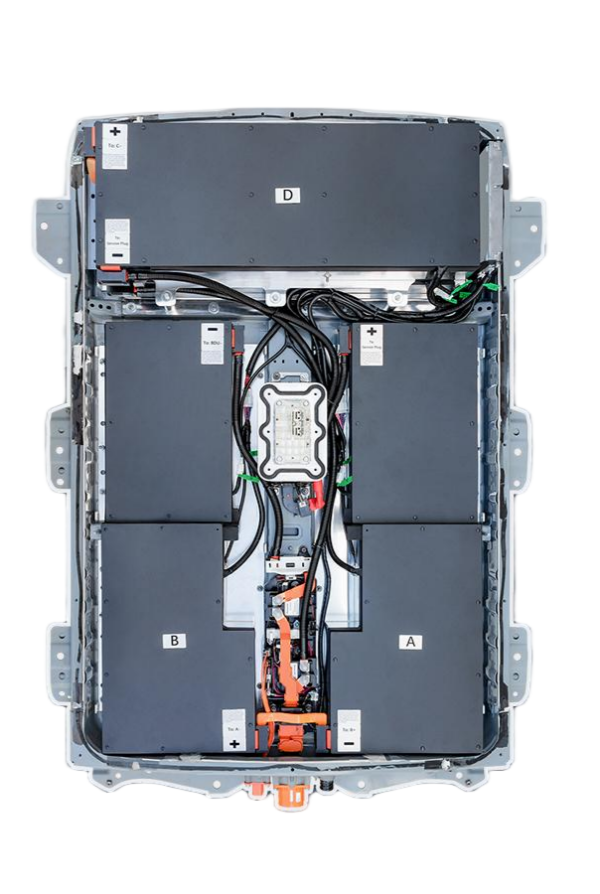
Water is the nemesis of electric vehicle performance. Whether you’re upgrading your Nissan Leaf or BMW i3, or simply maintaining your daily driver, ensuring your battery pack is sealed against water ingress is non-negotiable. Moisture inside the Battery Management System (BMS) or high-voltage connectors can lead to short circuits, corrosion, and catastrophic failure.
At CNS BATTERY, we engineer our packs—specifically designed for Nissan and BMW models—to meet rigorous OEM standards. However, the final seal of protection often happens during installation. This guide will walk you through the professional steps to seal an EV battery pack, ensuring ultimate safety and longevity.
🧼 Phase 1: Preparation & Cleaning
Before you apply any sealant, you must start with a pristine surface. Oil, dust, and old adhesive residue are the primary reasons sealants fail.
1. Surface Degreasing
The bottom plate and the battery housing flange must be completely free of grease.
- Tools Needed: Isopropyl alcohol (IPA) wipes or a dedicated degreaser, lint-free microfiber cloths.
- Process: Wipe down the entire sealing surface of the housing and the bottom plate. Pay special attention to the bolt holes and edges where the gasket sits.
2. Old Adhesive Removal
If you are reinstalling a pack or replacing an old gasket, remove all traces of previous glue.
- Tip: Use a plastic scraper or a heat gun (set low to avoid damaging plastic components) to soften old adhesive for easy peeling.
- Inspection: Check the sealing surface for any dents or scratches. A warped surface cannot form a watertight seal, no matter how much glue you use.
🧱 Phase 2: Gasket Installation & Glue Application
This is the most critical step. The gasket acts as the physical barrier, while the sealant acts as the chemical lock.
1. Choosing the Right Sealant
Do not use generic hardware store silicone. You need high-performance RTV (Room Temperature Vulcanizing) silicone designed for automotive electronics.
- Requirement: It must be non-corrosive to metals and battery components, and resistant to high temperatures (up to 200°C+).
2. Strategic Glue Placement
You do not need to cover the entire perimeter in glue; that can actually cause mess and uneven pressure. Instead, focus on high-risk areas:
- The “Critical 4”: Apply a continuous bead of sealant around the four corner bolt holes. These are the most common entry points for water due to vibration gaps.
- The “8” Pattern: For the central bolts (usually larger diameter), apply the sealant in an “8” figure pattern. This ensures the glue spreads evenly under pressure without overflowing into the battery interior.
3. Installing the Bottom Plate
- Carefully align the bottom plate with the housing.
- Warning: Do not slide the plate into place after applying glue, as this can create air bubbles or tear the sealant line. Lower it straight down.
🔩 Phase 3: Torque & Tightening Sequence
Applying the correct torque is just as important as the sealant itself. Uneven pressure creates gaps.
1. The “Star” Pattern
Never tighten bolts in a straight line from left to right. This pushes the gasket to one side, creating wrinkles and voids.
- Method: Tighten bolts in a diagonal “star” pattern. Start with diagonally opposite bolts, then move to the next pair.
- Goal: This distributes the pressure evenly across the entire gasket.
2. Precision Torque Wrench
Guessing the tightness can strip threads or crack plastic housings.
- Standard: Most EV battery packs require a torque of 8-10 Nm for the bottom plate bolts.
- Double Pass: Perform two passes over all bolts. The first pass sets the seal (finger tight plus a quarter turn), and the second pass locks it to the exact specification.
🔌 Phase 4: High-Voltage & Signal Connector Sealing
The main discharge port and signal connectors are often the weakest links.
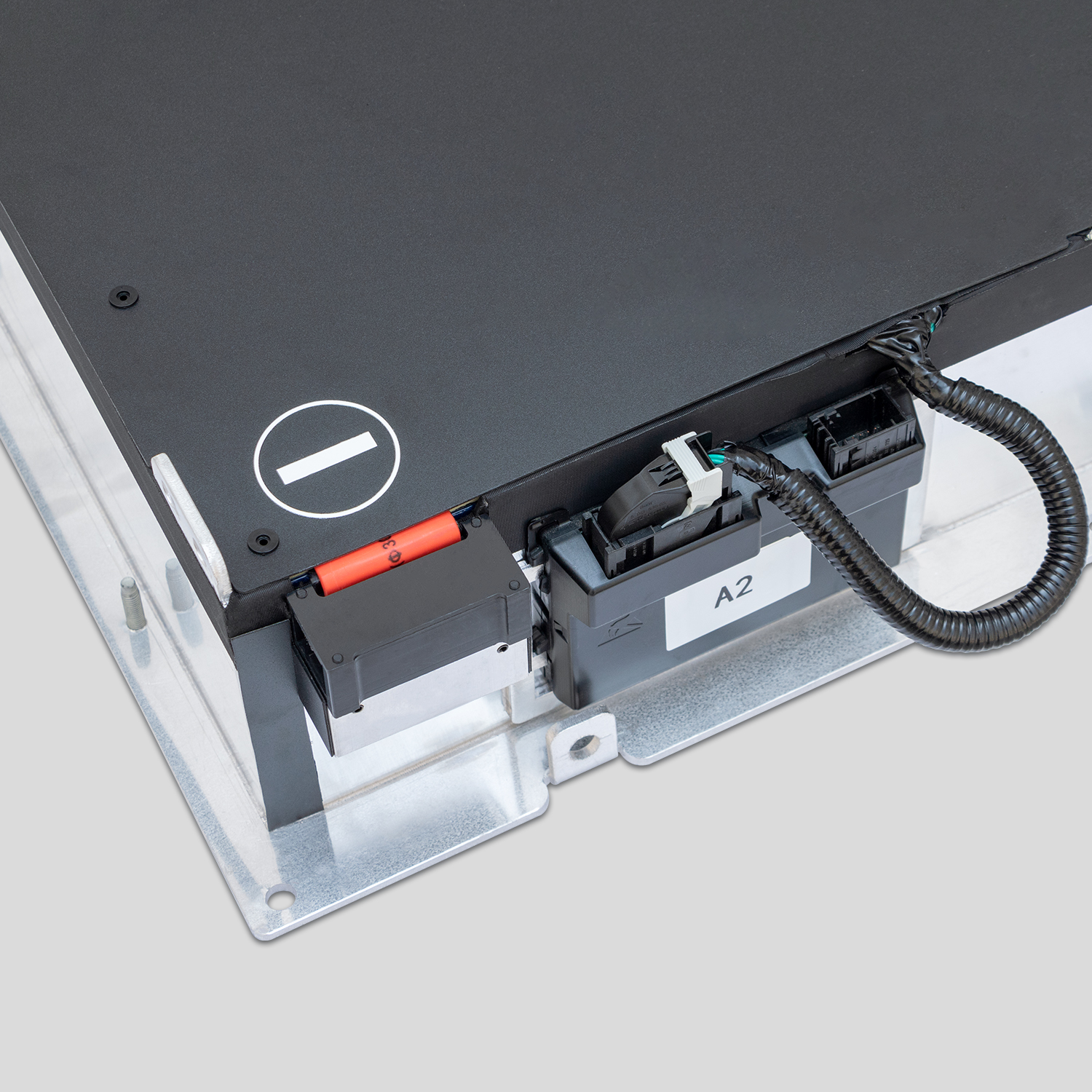
1. Connector “Lips”
Many connectors have a small rubber lip or groove.
- Action: Apply a thin ring of sealant to this groove before plugging in the connector. This creates a secondary seal around the cable entry point.
2. Waterproof Plugs for Unused Ports
If your pack has spare signal ports or you are not using the original BMS connector, never leave them open.
- Solution: Use dedicated waterproof dummy plugs. Leaving ports open allows condensation to build up inside the housing over time.
🛡️ Why Choose a Pre-Sealed Solution?
While DIY sealing is possible, the safest and most reliable method is to start with a professionally sealed unit. At CNS BATTERY, we eliminate the guesswork for you.
Our packs for the Nissan Leaf (ZE0, AZE0, ZE1) and BMW i3 are manufactured with:
- Factory-Grade Gaskets: We use high-resilience EPDM rubber seals that maintain integrity through extreme temperature cycles (-30°C to 60°C).
- Precision Torque: Every bolt is tightened by calibrated machines, ensuring zero human error.
- CATL Cells: Paired with our robust sealing, our brand-new CATL battery cells guarantee a lifespan far exceeding refurbished alternatives.
Pro Tip: If you are upgrading to a 62kWh or 45kWh pack, ensure the sealant used is compatible with the specific electrolyte chemistry to prevent long-term degradation.
🛠️ Frequently Asked Questions (FAQ)
Q1: What happens if water gets into my EV battery pack?
A: Water ingress is dangerous. It can cause a short circuit in the BMS (Battery Management System), leading to a complete power failure. In severe cases, it can cause the cells to swell or even catch fire. If you suspect water has entered (e.g., after driving through deep floods), do not charge the vehicle. Disconnect the power and contact a professional technician immediately.
Q2: Can I use silicone sealant on my battery pack?
A: Yes, but only if it is Neutral Cure RTV Silicone. Avoid “Acid Cure” silicones, as the acid fumes can corrode the copper wires and the aluminum housing of the battery pack over time. Always check the label for “Non-Corrosive” or “Electronic Grade.”
Q3: How often should I reseal my EV battery?
A: A properly installed seal using high-quality materials should last the lifetime of the battery (8-10 years). However, if you notice any cracks in the sealant or if the bottom plate has been removed for maintenance, you must clean off the old glue and reapply a fresh sealant before reinstallation.
Q4: Do CNS BATTERY packs come pre-sealed?
A: Absolutely. Every CNS BATTERY pack undergoes a rigorous waterproof testing protocol before shipping. We use automated dispensing machines to apply the sealant uniformly, ensuring you receive a plug-and-play solution that meets OEM standards without the hassle of DIY sealing.
📩 Ready for a Reliable Upgrade?
Don’t gamble with water damage. Whether you drive a Nissan Leaf or a BMW i3, protecting your investment starts with a perfectly sealed, high-performance battery.
Get a Free Custom Quote Today and upgrade to a CNS BATTERY pack—engineered for ultimate safety and 50%+ cost savings compared to the original manufacturer.