Here is the SEO-optimized article tailored to your requirements.
🌡️ The Impact of Ambient Temperature on CNS Battery Performance
As a dedicated expert at CNS BATTERY, I often receive questions from Nissan Leaf and BMW i3 owners about how weather affects their electric vehicles. Living in Zhengzhou, where we experience the full spectrum of seasons, I understand firsthand how temperature impacts performance. Whether you are driving through a scorching summer or a freezing winter, the ambient temperature plays a pivotal role in your battery’s efficiency, range, and longevity.
In this guide, we will explore how CNS Automotive Batteries are engineered to handle these environmental challenges and provide you with practical tips to maximize performance regardless of the weather.
🧊 The Cold Truth: How Low Temperatures Affect EV Batteries
When the mercury drops, every EV owner feels the pinch at the charging station. Cold weather is the primary culprit for reduced driving range.
The Science Behind the Slowdown
Lithium-ion batteries, including our high-performance CATL cells, rely on chemical reactions to generate power. In cold temperatures, the electrolyte solution inside the battery thickens, similar to how oil behaves in a combustion engine. This increased viscosity slows down the movement of lithium ions between the anode and cathode.
What You Experience:
- Reduced Range: It is common to see a 20-30% reduction in range during winter. This is not just “battery drain”; it is physics. The energy required to heat the cabin (especially without a heat pump) is drawn directly from the traction battery.
- Slower Charging: Direct current (DC) fast charging speeds decrease significantly in the cold. If the battery is too cold, the Battery Management System (BMS) may block fast charging entirely to prevent lithium plating, which can permanently damage the cells.
Pro Tip from CNS: If you are planning a long trip in winter, precondition your battery while it is still plugged in. This uses grid power to warm the battery to its optimal operating temperature, ensuring maximum range and charging speed when you unplug.
🔥 Heat and Efficiency: The Thermal Challenge
While cold is the enemy of range, excessive heat is the enemy of battery health. High ambient temperatures can accelerate the degradation of your battery cells over time.
The Risk of Overheating
High temperatures increase the internal resistance of the battery pack. While our CNS batteries are designed with robust thermal management systems, prolonged exposure to extreme heat (above 45°C / 113°F) can cause:
- Accelerated Degradation: High heat speeds up the chemical aging process inside the cells, which can lead to a permanent loss of capacity over the years.
- Thermal Runaway Risk: Although rare, extreme heat can theoretically increase the risk of thermal runaway if the cooling system is compromised. This is why our packs are rigorously tested to exceed industry safety standards.
Real-World Example:
A customer in Texas, USA, recently shared feedback about his Nissan Leaf ZE0. He noted that even during 38°C (100°F) beach trips, his CNS 62kWh battery maintained stable discharge without triggering overheating protection. This stability is a testament to the quality of our cell selection and pack design.
⚙️ Engineering Resilience: How CNS Batteries Combat Temperature Swings
At CNS, we don’t just sell batteries; we engineer solutions for real-world conditions. We understand that our customers need reliability whether they are commuting in the Swiss Alps or the Arabian Desert.
1. Superior Cell Chemistry
Unlike refurbished or low-grade aftermarket batteries, CNS utilizes brand-new CATL cells. These cells are renowned for their thermal stability. CATL’s proprietary chemistry allows for a wider operational temperature window compared to older or recycled cells, which often struggle in the cold.
2. Advanced BMS Algorithms
Our Battery Management System (BMS) is the “brain” of the operation. It constantly monitors the temperature of each cell group. If the temperature drops too low, the BMS can engage heating elements (if equipped) or adjust the charging current to prevent damage. In high heat, it manages the discharge curve to prevent overheating.
3. OEM-Compatible Design
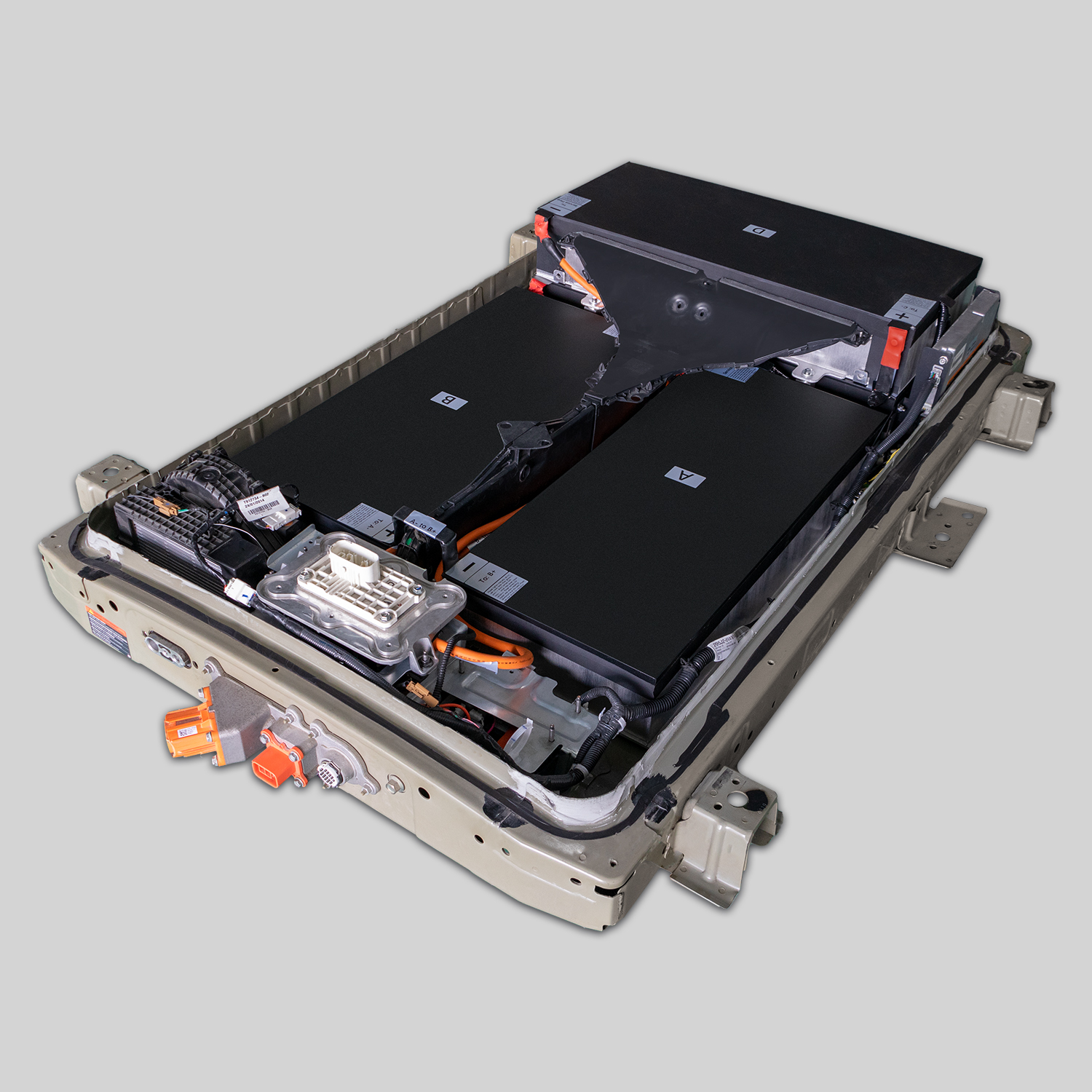
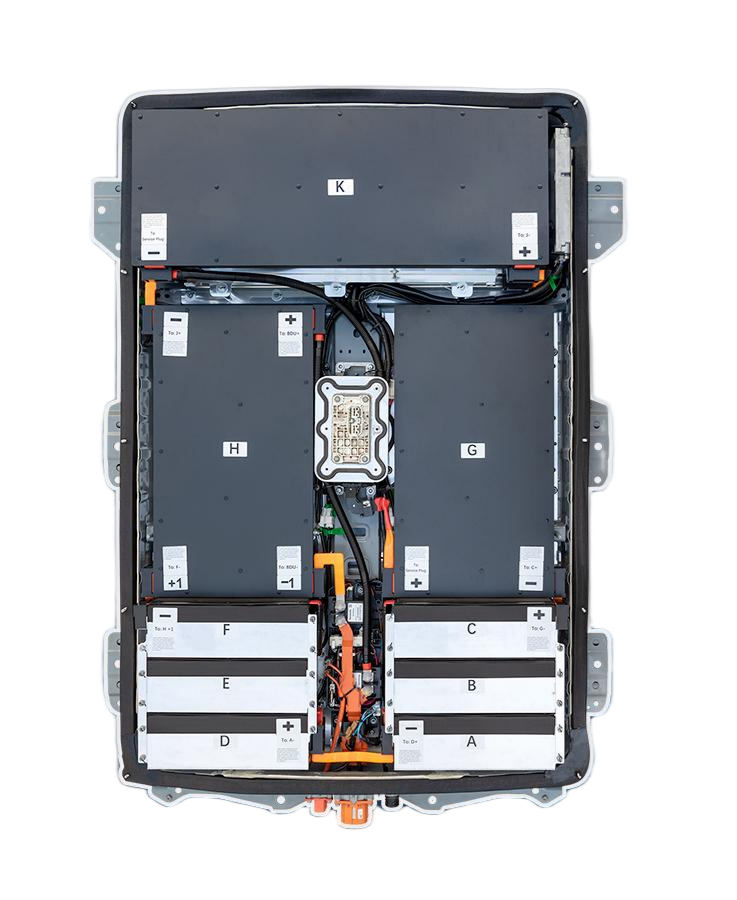
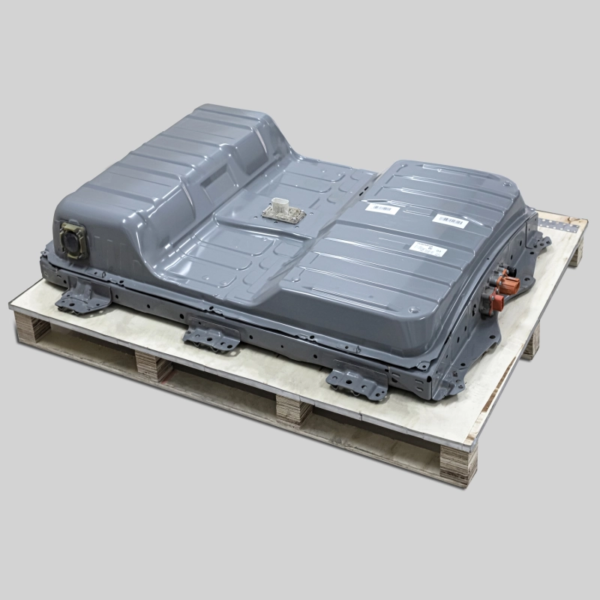
We design our packs to fit the original thermal management channels of your Nissan or BMW. Whether it is the liquid cooling system of a BMW i3 or the passive cooling of a Nissan Leaf, our packs are engineered to integrate seamlessly, ensuring the car’s original cooling fans and heat exchangers work effectively.
💡 Maximizing Performance in Extreme Conditions
To ensure your CNS EV Battery delivers the best possible performance, here are some actionable strategies based on our decade of technical accumulation:
Winter Survival Guide
- Preconditioning is Key: Always plug in your vehicle. Use the app or timer to heat the battery before you start driving.
- Seat Heaters over Cabin Heat: Seat heaters use significantly less energy than heating the entire cabin air.
- Tire Pressure: Cold air reduces tire pressure. Under-inflated tires increase rolling resistance, further draining your winter range.
Summer Maintenance Tips
- Shade Parking: Whenever possible, park in the shade or a garage. This reduces the “soak” temperature of the battery when you start your journey.
- Scheduled Charging: Avoid charging to 100% during the hottest part of the day. If your schedule allows, charge during the cooler evening or morning hours.
- Use Eco Mode: In high heat, using Eco Mode can reduce the peak current draw, minimizing heat generation within the pack.
📊 Comparison: Standard vs. CNS Battery Performance
To illustrate the difference quality makes in temperature management, let’s compare typical scenarios:
| Feature | Standard/Refurbished Battery | CNS Automotive Battery |
|---|---|---|
| Cell Source | Recycled/Used (Aged, inconsistent) | Brand New CATL Cells (High thermal stability) |
| Cold Weather Range | Severe drop; often fails to heat | Stable performance; integrates with pre-heating |
| Heat Resistance | Prone to overheating; shorter lifespan | Robust thermal management; resists degradation |
| Warranty Coverage | Limited or None | 2 Years / 80,000 km |
🚀 Ready to Experience Reliable Power?
Understanding the impact of temperature is the first step, but upgrading to a high-quality solution is the answer. If you are tired of range anxiety during winter commutes or worried about your battery degrading in the summer heat, it is time to consider a CNS Battery.
We offer custom solutions for Nissan Leaf (ZE0, AZE0, ZE1) and BMW i3 models, engineered to OEM standards but at a fraction of the cost. Our packs are built to handle the extremes so you don’t have to.
Don’t let the weather dictate your driving experience. Contact our technical experts now for customization and get a free quote for your vehicle.
❓ Frequently Asked Questions (FAQ)
1. Does cold weather permanently damage my CNS battery?
No, the range reduction you experience in cold weather is temporary. Once the battery warms up (either through driving or preconditioning), the capacity returns to normal. However, consistently charging a frozen battery without warming it first can cause physical damage (lithium plating), so always precondition if possible.
2. How do I know if my battery is overheating?
Modern vehicles like the Nissan Leaf and BMW i3 have dashboard warnings. If you see a “Check Charging System” or “Battery Overheating” light, stop charging immediately and allow the battery to cool down. With CNS batteries, our BMS usually prevents this by throttling the charge rate before it becomes dangerous.
3. Are CNS batteries compatible with my car’s original heating/cooling system?
Yes, absolutely. We design our battery packs to be plug-and-play and fully compatible with the original vehicle’s thermal management system. Whether your car uses liquid cooling or air cooling, our packs are engineered to fit the original mounting points and thermal channels perfectly.
4. What is the optimal temperature range for charging?
The ideal temperature range for charging a lithium-ion battery is between 10°C and 30°C (50°F – 86°F). Charging outside this range is possible but less efficient. Our BMS ensures safety even if you charge outside this range, but for the fastest speeds, aim for this “Goldilocks zone.”