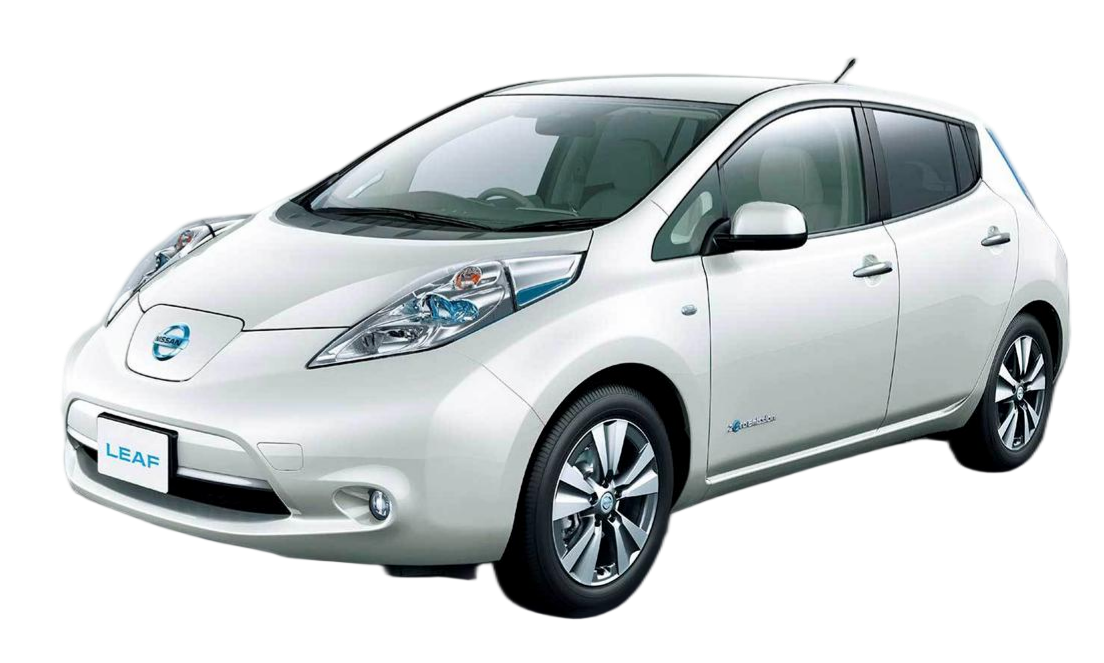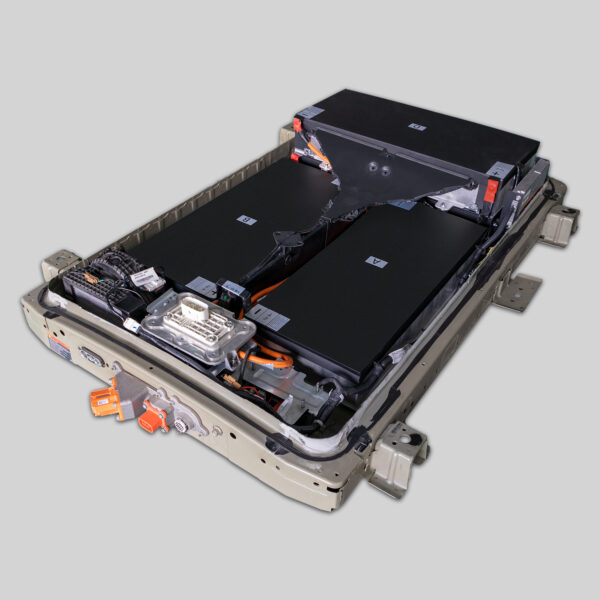
How to Pair a 62kWh Battery with a 2013 Nissan Leaf VCM
Can you really pair a 62kWh battery with a 2013 Nissan Leaf VCM (Vehicle Control Module)? The short answer is yes, but it requires specific hardware and software compatibility to function correctly.
As a leading manufacturer of EV batteries, we frequently receive inquiries from Leaf owners (especially those with 2011-2013 models) looking to upgrade from their aging 24kWh packs to the modern 62kWh standard. However, the 2013 Leaf presents a unique challenge because its original VCM was designed for a lower voltage and capacity system.
This guide will walk you through the technical requirements, the “plug-and-play” solution we offer, and the steps to successfully pair these components.
🛠️ The Technical Challenge: 2013 VCM vs. 62kWh Battery
The 2013 Nissan Leaf was originally equipped with either a 24kWh battery and a specific VCM (Part Number: 288E0-9XQB0) or a 30kWh battery with a slightly different VCM. The 62kWh battery, introduced in later models (2018+), operates on different communication protocols and voltage curves.
If you simply install a standard 62kWh pack into a 2013 chassis without modification, you will likely encounter:
- Communication Errors: The VCM cannot read the Battery Management System (BMS).
- Charging Failures: The onboard charger may not recognize the new battery.
- Reduced Range Display: The car might only show a fraction of the actual capacity.
🔑 The Solution: Plug-and-Play Adapters and Reprogramming
To successfully pair a 62kWh battery with a 2013 Leaf, you need to bridge the gap between the old and new technology. Here is how we ensure a seamless integration at CNS:
1. The Hardware Interface
A standard 62kWh battery has different physical connectors (HVIL, CAN bus) than the 2013 harness. You will need a custom adapter harness. This harness allows the 2013 VCM and BCM (Body Control Module) wiring to physically connect to the 62kWh battery’s BMS.
2. VCM Reprogramming (Flashing)
This is the most critical step. The stock 2013 VCM must be reprogrammed to mimic a later model Leaf (typically a 2018+ Leaf) that natively supports the 62kWh capacity. This process involves:
- Reading the original VIN data.
- Flashing new firmware that recognizes the 62kWh capacity and the correct voltage range.
- Rewriting the VIN into the new firmware to maintain vehicle legality and key fob functionality.
Note: If you do not have access to professional tuning tools (like Consult-III or specialized flashers), you will need to source a pre-flashed VCM that is already programmed for the 62kWh configuration.
⚡ Why Choose a CNS 62kWh Battery for Your Upgrade?
At CNS Battery, we specialize in providing OEM-compatible solutions for Nissan and BMW models. We understand that upgrading a 2013 Leaf is a complex project, which is why our batteries are designed with the following features to ensure compatibility:
- CATL Grade-A Cells: We utilize brand-new, high-density lithium cells to ensure the longevity and safety required for such a significant capacity upgrade.
- Pre-Configured BMS: Our 62kWh packs come with a BMS that is already optimized for stability. When paired with a correctly flashed 2013 VCM, our system ensures zero error codes.
- Cost Efficiency: Upgrading a 2013 Leaf with our 62kWh battery costs significantly less than purchasing a new electric vehicle, effectively giving your old car a “new heart.”
📝 Step-by-Step: Installation and Pairing Guide
If you are working with a pre-flashed VCM or have the tools to flash it yourself, follow these steps for a successful pairing:
- Pre-Installation Check: Before disconnecting the old battery, verify that your 2013 Leaf’s cooling system is functional. The 62kWh battery generates different heat dynamics, so a healthy thermal management system is vital.
- Install the Adapter Harness: Connect the custom adapter harness to your existing 2013 vehicle wiring. Ensure all CAN bus lines (CAN H and CAN L) are securely connected to the new battery’s BMS port.
- Mount the Battery: Secure the 62kWh pack in the chassis. Note that the 62kWh battery is physically larger and heavier than the 24kWh unit, so double-check for clearance.
- Pairing Process:
- Connect the 12V battery.
- Turn the ignition to “ON” (do not start the car yet).
- The VCM and BMS will undergo a handshake process. This may take 2-3 minutes.
- Use a Nissan Consult scanner to check for DTCs (Diagnostic Trouble Codes). If the VCM is flashed correctly, the battery capacity should display as 62kWh.
- First Charge: Perform the first charge slowly. Monitor the cell voltage balance via the scanner to ensure the BMS is communicating correctly with the VCM.
🤔 Frequently Asked Questions
Q1: Can I use my original 2013 Nissan Leaf charger with a 62kWh battery?
Yes, the onboard charger (OBC) from the 2013 model is generally compatible. However, the charging speed will be limited by the original OBC’s capacity (typically 3.3kW or 6.6kW). The battery will charge safely, but it will take longer to fill the 62kWh capacity compared to a newer model with a faster charger.
Q2: Do I need to replace the dashboard or instrument cluster?
No, the original 2013 instrument cluster can be used. However, the range display might not be 100% accurate unless the VCM is flashed to output the correct CAN messages for the 62kWh state of charge (SOC). Most owners rely on the 12-bar display or第三方 (third-party) SOC meters for accuracy.
Q3: Is the 62kWh battery a direct drop-in for the 2013 chassis?
While the battery fits within the footprint, it is not a literal drop-in. You will likely need to modify the battery tray or use spacers due to differences in height and mounting points between the 24kWh and 62kWh packs.
📧 Ready to Upgrade Your 2013 Leaf?
Upgrading your 2013 Nissan Leaf to a 62kWh battery is a fantastic way to extend the life of your vehicle and double its driving range. While the VCM pairing process requires technical attention, having the right battery partner makes all the difference.
Don’t risk your upgrade with low-quality cells. Contact our technical experts today for a free compatibility assessment and customized quote.