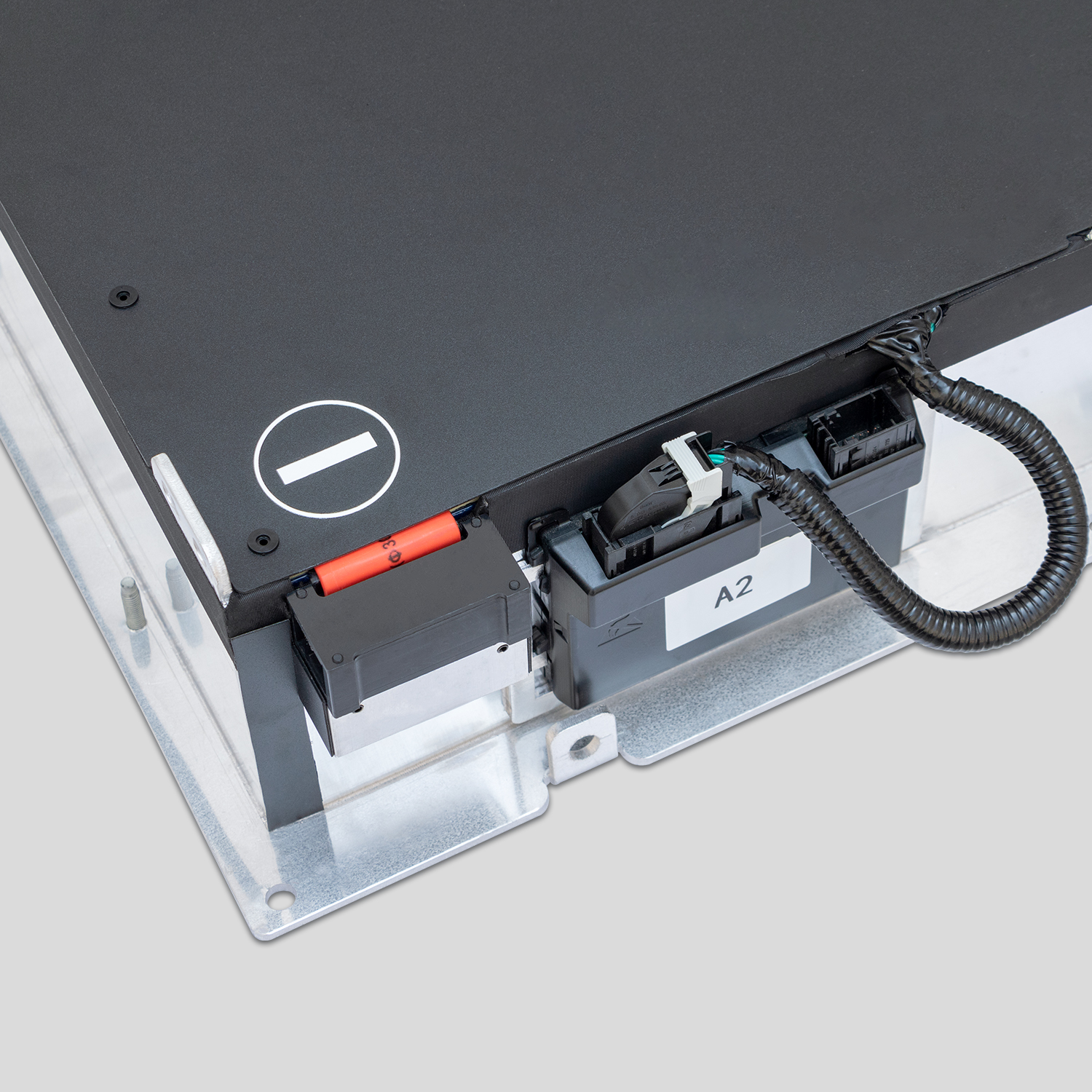
Beat the Heat: CNS Battery Cooling Technology for Nissan & BMW EVs
Summer is officially here. As temperatures rise, your electric vehicle faces a critical test: heat management. If you own a Nissan Leaf or BMW i3, you know that extreme heat can be the biggest enemy of battery longevity and performance.
At CNS BATTERY, we don’t just build replacement packs; we engineer solutions specifically designed to handle the stress of summer driving. Our proprietary Battery Cooling Technology is what sets us apart from generic aftermarket options and even the original equipment.
In this guide, we will break down exactly how our cooling system works, why it matters for your specific model, and how it protects your investment during the hottest months.
Why Summer is the Ultimate Test for EV Batteries
Before we dive into the technology, let’s address a common misconception. Many drivers believe cold weather is the worst for EVs. While range does drop in winter, heat is the silent killer of lithium-ion battery life.
When a battery operates above 45°C (113°F) for extended periods, the chemical reactions inside accelerate degradation. This means:
- Reduced Lifespan: Your battery loses capacity faster.
- Thermal Runaway Risk: In extreme cases, overheating can lead to safety issues.
- Power Limiting: Your car might reduce power to cool down, ruining your driving experience.
Standard factory batteries often rely on passive cooling or basic ventilation. For a replacement battery, simply copying this design isn’t enough. That’s why CNS BATTERY has re-engineered the thermal management system from the ground up.
The CNS Cooling Advantage: Engineering for Extreme Conditions
Our engineers have spent over a decade analyzing the failure points of Nissan and BMW EV batteries. We discovered that poor heat dissipation was the primary cause of “battery swelling” and early death in hot climates.
Here is how CNS Battery Cooling Technology solves this problem:
1. Advanced Phase Change Material (PCM) Insulation
We don’t just use standard air gaps. CNS batteries incorporate high-efficiency Phase Change Material within the module housing.
- How it works: This material absorbs massive amounts of heat when the battery is under load (like fast charging or highway driving).
- The benefit: It acts like a thermal sponge, preventing the core temperature of the cells from spiking instantly.
2. Optimized Airflow Channel Design
Unlike the original packs that can trap heat in the center modules, CNS batteries feature a redesigned internal airflow architecture.
- Strategic Vents: We have engineered precision vents that align perfectly with your vehicle’s existing cooling intake.
- Even Distribution: This ensures that hot air doesn’t get trapped around the sensitive Battery Management System (BMS) or the central cells.
3. Industrial-Grade Thermal Pads
We use ultra-conductive thermal pads between the cells and the outer casing. These pads are significantly thicker and more efficient than those found in most OEM packs, allowing heat to transfer rapidly from the cells to the protective shell, where it can be dissipated into the cabin air or underbody.
Expert Insight: “In our Zhengzhou testing lab, we simulate 50°C+ ambient temperatures. While standard refurbished packs often hit 60°C internally, our CNS packs with the cooling tech consistently stay below 48°C, even under full DC fast charging.” — CNS R&D Team
Model-Specific Cooling Solutions
One size does not fit all. Different models have different heat profiles. Here is how our technology adapts to your car:
☀️ For Nissan Leaf Owners (ZE0, AZE0, ZE1)
The Nissan Leaf is notorious for heat-related degradation, especially in the center modules.
- The Problem: Original packs often lack active cooling, leading to “hot spots.”
- The CNS Fix: Our packs feature reinforced side-venting panels. When combined with the PCM, this allows the natural airflow under the car (when driving) to wick away heat efficiently. For our 62kWh and 40kWh replacements, this means you can drive through the summer without seeing your battery bars drop.
❄️ For BMW i3 Owners
The BMW i3 has a more complex layout, often requiring heat to be managed near the passenger compartment.
- The Problem: The i3’s battery placement can lead to heat build-up during stop-and-go traffic.
- The CNS Fix: We utilize a dual-layer insulation barrier. This keeps the heat generated by the cells away from the passenger floor (keeping your feet cool) while directing it towards the external vents. Our 45kWh and 62kWh i3 packs are built to handle the high discharge rates of the BMW motor without thermal throttling.
Why Choose CNS for Your Summer Upgrade?
Choosing a battery isn’t just about capacity (kWh); it is about the ecosystem inside the box. Here is why our cooling technology translates to real-world value for you:
- 50% Cost Savings: You get premium thermal engineering at half the price of a dealership replacement.
- Longer Warranty: Thanks to our confidence in the cooling system, we offer a 2-year / 80,000km warranty—significantly longer than most aftermarket competitors.
- Plug-and-Play Safety: Our cooling design integrates seamlessly with your car’s existing BMS and sensors. There is no hacking or modification required.
Don’t let the summer heat ruin your EV experience. Whether you drive a Leaf or an i3, upgrading to a CNS Battery means upgrading to reliability.
Frequently Asked Questions (FAQ)
Q1: Does the CNS Battery cooling system require any maintenance?
No, our cooling system is completely passive and maintenance-free. It relies on the natural airflow of your vehicle and the internal thermal materials (PCM and pads). Unlike liquid-cooled systems, there are no pumps to fail or fluids to leak, making it incredibly reliable for the lifespan of the battery.
Q2: Will the battery get hot if I live in a very hot climate (like Arizona or the Middle East)?
While all batteries will warm up in extreme climates, our technology is designed to mitigate this. The Phase Change Material (PCM) is specifically rated for high-temperature environments. However, we always recommend parking in the shade when possible and avoiding leaving the car in “Ready” mode (where the battery is under load but not moving to generate airflow) for extended periods during heatwaves.
Q3: Is the cooling technology different between the 40kWh and 62kWh packs?
The core technology (PCM, thermal pads, and venting) is the same across all capacities to ensure consistent quality. However, the 62kWh packs have a slightly larger surface area, which actually enhances the passive cooling effect, making them even more thermally stable than the smaller packs during long highway trips.
Q4: Can I install this battery myself, or do I need a mechanic?
Thanks to our plug-and-play design and integrated cooling (which uses your car’s existing structure), installation is straightforward. Many of our customers are DIY enthusiasts who follow our video guides. However, because handling high-voltage batteries requires safety precautions, we strongly recommend wearing insulated gloves and, if you are unsure, having a certified technician perform the swap to maintain warranty validity.
Q5: How does this cooling technology affect the charging speed?
It improves it significantly. Because the battery stays cooler, there is less risk of the BMS (Battery Management System) cutting the charging current to prevent overheating. Users report that their CNS batteries maintain a higher state of charge for longer during DC fast charging sessions compared to their old, degraded OEM packs.
Ready to beat the heat and extend your EV’s life? Don’t let another summer degrade your battery. Get a free, customized quote today for your Nissan or BMW.