
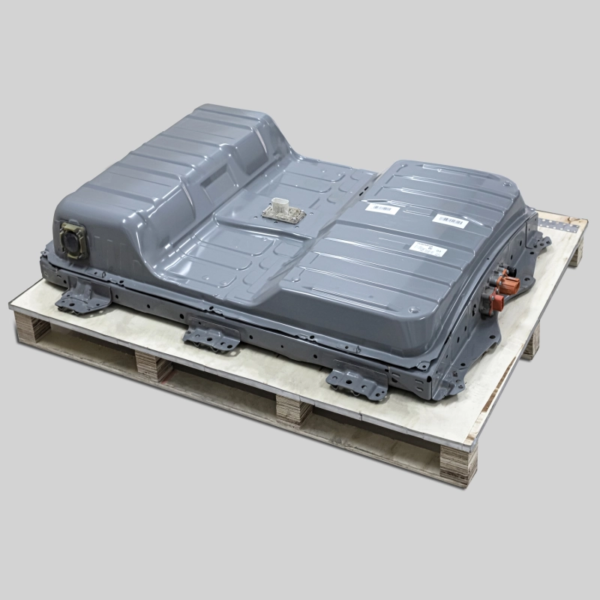
Best New Battery Alternatives for SV Models
For Nissan Leaf SV owners, the “Range Anxiety” that creeps in as the seasons change or the odometer ticks over is a real pain point. You bought the SV trim for its balance of value and features, but over time, the battery degradation can turn your reliable commuter into a weekend-only vehicle. If you’re facing the sticker shock of a dealership replacement or the risks of a used battery, you’re likely searching for a middle ground: a solution that restores your range without breaking the bank.
This guide explores the best new battery alternatives for SV models, focusing on modern NMC (Nickel Manganese Cobalt) and LFP (Lithium Iron Phosphate) options that offer superior performance compared to refurbished Original Equipment Manufacturer (OEM) packs.
Why Upgrade Your Nissan Leaf SV Battery?
The Nissan Leaf SV (often found in the ZE0, AZE0, or ZE1 model codes) was a pioneer in the EV market. However, early battery chemistry and thermal management systems mean these packs degrade faster than newer models.
The Core Problem:
Most Nissan Leaf SV owners notice a significant drop in capacity (often below 70% Health of State) after 5-8 years. This translates to a usable range that might be too short for daily errands, let alone highway driving.
The Cost Trap:
Dealership replacements are often prohibitively expensive, sometimes costing more than the vehicle is worth. This is where third-party new battery alternatives become the most logical financial and technical decision.
Top Alternatives: NMC vs. LFP Chemistry
When looking for a replacement, you have two primary chemistry choices. Understanding the difference is crucial for your driving style.
1. High-Density NMC (Nickel Manganese Cobalt)
If you prioritize maximum range and performance, NMC is the standard choice. It mimics the chemistry of the original battery but uses modern, higher-grade cells.
- Performance: Offers the highest energy density, meaning more kWh in the same space.
- Cold Weather: Generally performs better in cold climates than LFP, with less range loss.
- Best For: Drivers who need every mile of range and frequently drive on highways.
2. Long-Life LFP (Lithium Iron Phosphate)
If you value longevity and safety over absolute maximum range, LFP is a compelling alternative.
- Durability: LFP cells are renowned for their thermal stability and cycle life. They often last longer than NMC packs.
- Safety: They are less prone to thermal runaway, making them inherently safer.
- Best For: City drivers, taxi services, or anyone looking for a “set it and forget it” solution.
Key Factors When Choosing a Replacement
Not all aftermarket batteries are created equal. When evaluating options for your SV model, consider these technical specifications:
| Feature | Importance for SV Owners |
|---|---|
| OEM Compatibility | The battery must physically fit your specific chassis (ZE0/AZE0/ZE1) and communicate with the Nissan Body Control Module (BCM). |
| BMS (Battery Management System) | A high-quality BMS is essential to protect your investment and ensure the cells operate within safe voltage limits. |
| Warranty | Look for warranties that cover both parts and performance degradation (e.g., guaranteeing 70%+ capacity over the term). |
Restoring Your Range: A Cost-Effective Solution
Investing in a new aftermarket battery isn’t just about fixing a problem; it’s about unlocking the full potential of your Leaf SV.
Imagine plugging in and seeing a restored range of 100+ miles (or significantly higher for upgraded packs) instead of the dwindling 60 miles you might be used to. This upgrade effectively turns your aging SV into a modern, reliable commuter.
The Value Proposition:
By choosing a specialized manufacturer that focuses on Nissan EVs, you can often save 50% or more compared to dealership quotes. This allows you to drive on new technology for a fraction of the cost of a new car payment.
Frequently Asked Questions (FAQ)
Q1: Will a new replacement battery fit my specific Nissan Leaf SV year and model?
A: Yes, but it is critical to verify compatibility. Manufacturers like CNS BATTERY design packs specifically for the ZE0, AZE0, and ZE1 chassis. You should always confirm the fitment with the supplier using your Vehicle Identification Number (VIN) before purchasing to ensure the connectors, mounting points, and software are perfectly matched.
Q2: How much does it cost to replace a Nissan Leaf SV battery with a new alternative?
A: Costs vary based on chemistry (NMC vs. LFP) and capacity (40kWh, 62kWh, etc.). Generally, new aftermarket solutions are significantly cheaper than OEM replacements. While a dealership might charge upwards of $10,000 USD, a high-quality new aftermarket pack can often be acquired for roughly half that price, offering a much better return on investment.
Q3: Is it better to buy a used battery or a new alternative?
A: We strongly recommend avoiding used batteries. A used pack from a salvage yard has an unknown history, likely has already degraded significantly, and carries a high risk of failure (such as swelling or sudden death). A new alternative, built with fresh cells from reputable manufacturers, offers a warranty, predictable performance, and a lifespan that can exceed 8-10 years.
Q4: Can I install the battery myself?
A: Yes, many owners successfully perform DIY installations. The process is generally considered plug-and-play for experienced mechanics. However, high-voltage battery work is dangerous. If you are not comfortable disconnecting the high-voltage lines and handling heavy packs, we recommend hiring a certified mechanic. Most reputable suppliers offer installation guides and technical support to assist with the process.
Ready to eliminate your range anxiety? Contact our technical experts now for customization and get a free quote for your Nissan Leaf SV today.

