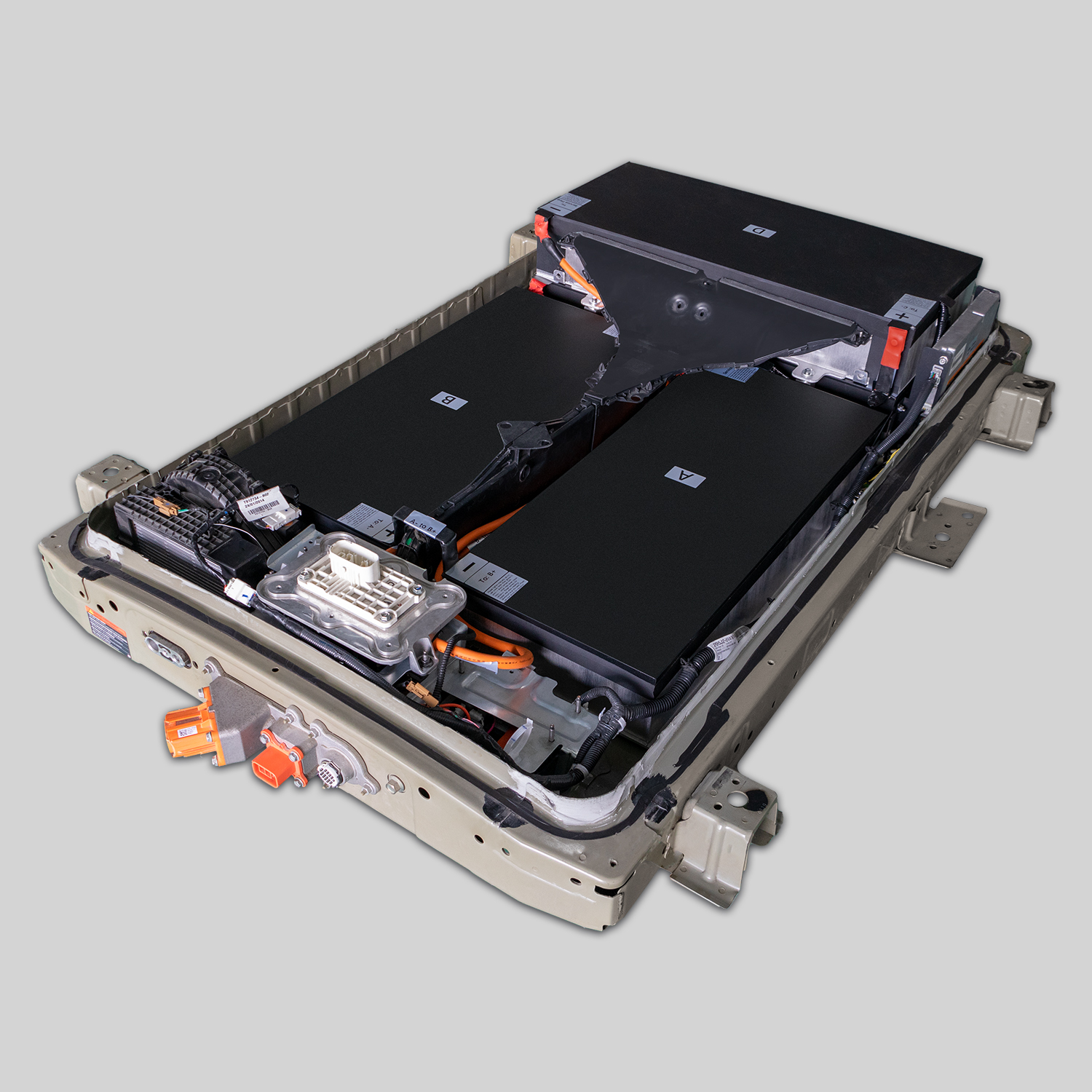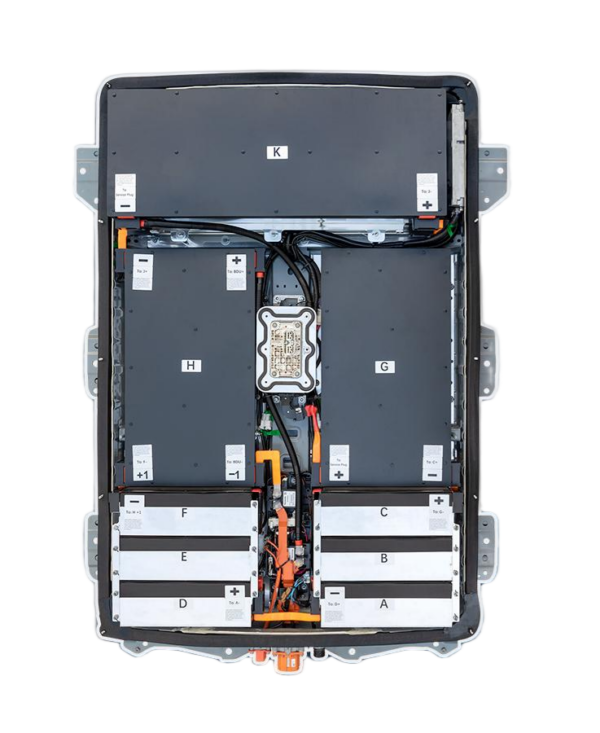
⚡ Nissan Leaf Plus New Battery Replacement Guide: The Ultimate DIY & Upgrade Manual
Are you struggling with the “range anxiety” of your aging Nissan Leaf? Is your daily commute becoming a stressful calculation of remaining kilometers? If you own a Nissan Leaf (ZE0, AZE0, or ZE1) or e-NV200, you know that replacing the battery is the most effective way to revive your EV. However, the official dealership prices can be astronomical, often exceeding the value of the vehicle itself.
As a professional in the EV battery industry, I understand your dilemma. You need a solution that is safe, affordable, and compatible with your car’s original systems. This guide is designed to walk you through the process of upgrading to a New Nissan Leaf Plus Battery, specifically focusing on how to achieve a “Plug and Play” experience without breaking the bank.
🚗 Why Upgrade to a Nissan Leaf Plus Battery?
The Nissan Leaf has been a pioneer in the electric vehicle market. However, the early models (24kWh and 30kWh) simply don’t cut it for modern driving needs. Upgrading to a Leaf Plus configuration (40kWh, 62kWh, or even 68kWh) is not just an upgrade; it’s a resurrection of your vehicle.
The “Leaf Plus” upgrade typically involves:
- Increased Capacity: Swapping old modules for new high-density Lithium-ion packs.
- Restored Range: Jumping from ~100 miles to over 200 miles on a single charge.
- Improved Health: Achieving 100% SOH (State of Health) compared to the degraded cells.
⚖️ The Cost Dilemma: OEM vs. Aftermarket
Let’s be honest: paying $16,000+ at a dealership for a new battery is rarely economical. This is where high-quality aftermarket solutions, like those from CNS Battery, come into play. By utilizing brand-new CATL cells and adhering to OEM standards, you can achieve the same performance and safety at roughly 50% of the OEM cost.
🛠️ The DIY Replacement Process: Is It For You?
Many of our customers ask, “Can I really do this myself?” The answer is a resounding Yes. Thousands of EV owners and independent garages have successfully completed this swap.
⏱️ Time & Tools Required
- Time: Approximately 1-2 hours.
- Difficulty Level: Intermediate (If you can change a tire or perform basic car maintenance, you can likely do this).
- Tools Needed: Basic socket wrench set, insulated gloves, and a torque wrench.
📋 Step-by-Step Installation Overview
While every vehicle model has specific nuances, the general flow of a Nissan Leaf battery replacement follows these steps:
- Safety First (Disconnect Power): Always start by disconnecting the 12V auxiliary battery to cut all power to the vehicle.
- Access the Pack: Jack up the vehicle and remove the underbody shields.
- Disconnect the Old: Unbolt the high-voltage connector and communication cables from the old battery.
- Remove & Replace: Lower the old pack (heavy! ~300-400kg) and lift the new Nissan Leaf Plus battery into place.
- Reconnect & Program: Bolt everything back up. The most crucial step is BMS (Battery Management System) programming to sync the new battery with your car’s ECU.
Expert Tip: While the physical installation is “Plug and Play” (bolts and connectors match the OEM design), the software programming is where most DIYers need assistance. We offer free remote video guidance to walk you through this step-by-step.
🔋 Choosing the Right “Leaf Plus” Battery for Your Needs
When you decide to upgrade, you have three primary capacity options. We recommend choosing based on your driving habits:
| Capacity | Range (Approx.) | Ideal For |
|---|---|---|
| 40 kWh | ~150 miles | City drivers, daily commutes, budget-friendly |
| 62 kWh | ~220 miles | Long-distance travelers, ride-share drivers |
| 68 kWh | ~240+ miles | Maximum range seekers, cold climate users |
Key Technology Note: Ensure your chosen replacement battery uses Brand New Cells (specifically NMC chemistry from reputable manufacturers like CATL). Avoid “refurbished” or “used” packs, as they often suffer from swelling and rapid degradation.
🛡️ Why Trust a Third-Party “Leaf Plus” Solution?
I know the biggest concern is trust. You don’t want to void your warranty or risk a fire. Here is why a premium aftermarket solution is a safe bet:
- OEM Standards: The best replacements are engineered to meet or exceed the original Nissan factory specifications for voltage, dimensions, and communication protocols.
- Advanced BMS: A robust Battery Management System is the brain of the pack. It protects against over-current, over-voltage, over-temperature, and short circuits.
- Warranty Protection: A reputable supplier should offer a warranty comparable to the OEM. For instance, CNS Battery offers a 2-Year / 80,000 km warranty, which is significantly longer than what many competitors offer.
💡 Pro Tips for a Successful Upgrade
Before you pull the trigger on a purchase, consider these final pieces of advice from our technical experts:
- VIN Compatibility Check: Do not guess. Provide your Vehicle Identification Number (VIN) to the supplier. This ensures the connectors and software protocols are a 100% match for your specific Leaf model year.
- Winter Considerations: If you live in a cold climate (like Canada or Northern Europe), consider a battery with a built-in heating function or plan to park in a garage, as lithium batteries hate the cold.
- Charging Strategy: After installing your new Leaf Plus battery, avoid fast-charging it at 100% for the first few cycles. This helps “form” the cells and extends the long-term lifespan.
❓ Frequently Asked Questions (FAQ)
Q1: Will installing an aftermarket battery void my car’s warranty?
A: While installing an aftermarket part can technically affect the specific component’s warranty, a high-quality “Plug and Play” battery designed to OEM standards should not damage other vehicle systems. In fact, many independent garages use these packs for their customers to save costs. Always check your local regulations regarding modifications.
Q2: How do I know if my car model (ZE0, AZE0, ZE1) is compatible?
A: Compatibility is determined by your specific model year and VIN. The physical dimensions and connectors for the 40kWh and 62kWh packs are generally consistent across the ZE0, AZE0, and ZE1 platforms, but it is crucial to verify the communication protocol with your supplier before purchasing.
Q3: What is the lifespan of a new replacement battery?
A: A battery built with brand-new CATL cells typically has a lifespan of 8-10 years or 200,000+ kilometers under normal driving conditions. This is significantly longer than refurbished packs, which may fail within 6-12 months.
Q4: Is the installation really “Plug and Play”?
A: Physically, yes. The bolts, brackets, and connectors are designed to match the OEM specifications exactly. However, most vehicles require the new battery’s BMS to be programmed to communicate with the car’s ECU. This requires specialized software or a professional scan tool.
Q5: How much money can I save compared to the dealership?
A: You can typically expect to save 50% or more. While a dealership might charge $15,000-$18,000, a high-quality new replacement battery can cost around $7,000-$9,000, including shipping.
Ready to revive your Nissan Leaf and enjoy the freedom of long-range driving again?
Get Your Free Custom Quote Today
Don’t let an old battery kill your EV dreams. Verify your VIN compatibility and get a personalized price for your Nissan Leaf Plus upgrade.